Science equipment acts as the backbone of scientific inquiry and exploration. It enables researchers and scientists to observe, measure, and analyze various phenomena, ultimately leading to the development of new technologies, medicines, and solutions to complex problems. Without the right equipment, the process of scientific discovery would be hindered, and progress would be severely limited.
Types of Science Equipment
Basic Laboratory Equipment
A well-equipped laboratory requires a range of basic tools to carry out experiments efficiently. These include glassware such as beakers, test tubes, and petri dishes, as well as essential instruments like Bunsen burners, pipettes, and laboratory balances. These tools are the building blocks of scientific experimentation, providing a solid foundation for researchers across disciplines.
Microscopes and Magnifiers
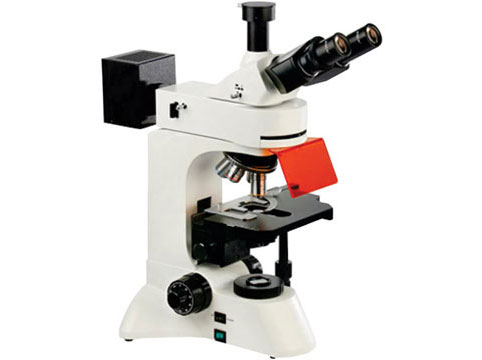
Microscopes and magnifiers allow scientists to observe objects at a microscopic level, unveiling intricate details that are otherwise invisible to the naked eye. These instruments are vital in fields like biology, medicine, and materials science, enabling researchers to study cells, microorganisms, and nanostructures with precision.
Measuring Instruments
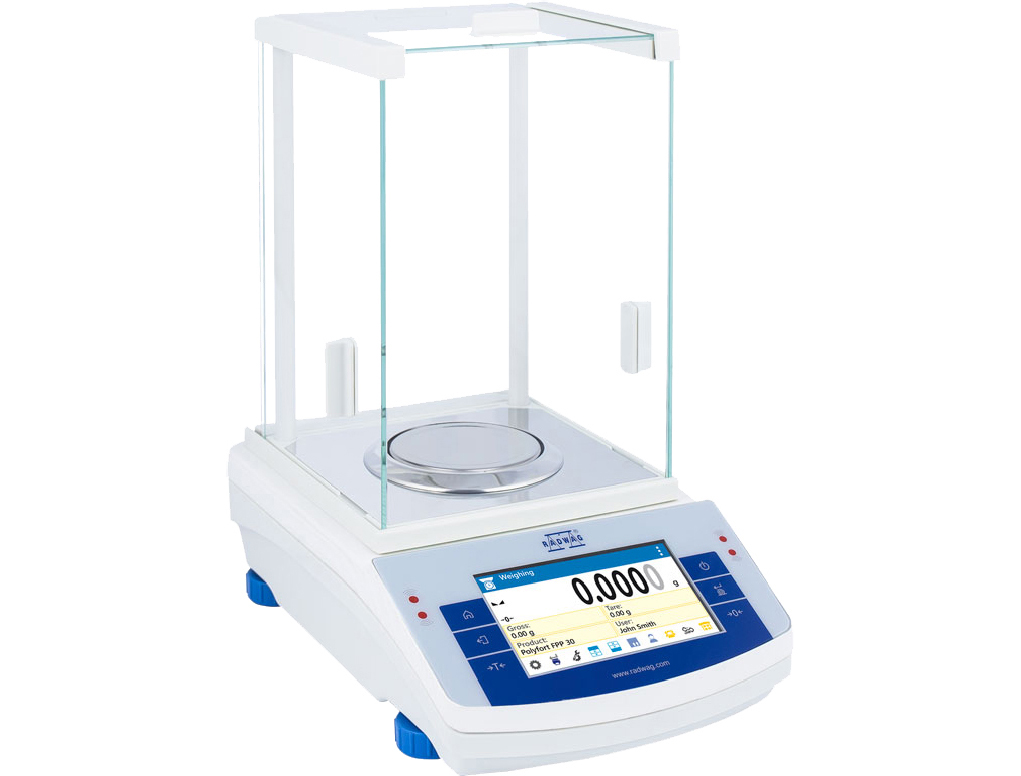
Accurate measurement is fundamental in scientific research, and measuring instruments fulfill this critical role. From thermometers and pH meters to spectrophotometers and balances, these tools ensure precise data collection and analysis. The availability of reliable measuring instruments is crucial in maintaining the integrity and reproducibility of scientific experiments.
Safety Equipment
Safety should be a top priority in any laboratory setting. Safety equipment such as goggles, lab coats, gloves, and fume hoods protect researchers from hazardous materials and potential accidents. These precautions ensure the well-being of scientists and contribute to the overall success of scientific endeavors.
Specialized Equipment
In addition to the basic laboratory equipment, specialized tools cater to specific research areas. For instance, DNA sequencers, electron microscopes, and nuclear magnetic resonance (NMR) spectrometers are essential in genetics, nanotechnology, and structural biology, respectively. These cutting-edge instruments open doors to new possibilities and push the boundaries of scientific understanding.
Advancements in Science Equipment
Science equipment has come a long way, thanks to continuous advancements in technology. Innovations have revolutionized the capabilities and efficiency of scientific instruments, enabling researchers to delve deeper into the mysteries of the universe. For example, the development of high-resolution imaging techniques, such as confocal microscopy and electron microscopy, has allowed scientists to visualize intricate cellular structures and nanoscale phenomena.
Moreover, automation and robotics have streamlined laboratory processes, increasing accuracy and throughput. Automated liquid handling systems, robotic sample processors, and high-throughput sequencing platforms have accelerated research and made complex experiments more accessible.
Furthermore, the integration of artificial intelligence (AI) and machine learning (ML) in science equipment has opened up new possibilities for data analysis and interpretation. AI algorithms can quickly analyze vast amounts of data, identify patterns, and generate insights that aid in scientific discovery.
How to Choose the Right Science Equipment
Selecting the appropriate science equipment for your research or educational needs requires careful consideration. Here are some key factors to keep in mind:
Consider the Research Area
Different scientific disciplines have specific requirements. Consider the nature of your research and the type of experiments you plan to conduct. This will help you identify the essential equipment needed to achieve your scientific goals.
Quality and Durability
Investing in high-quality equipment ensures accurate and reliable results. Look for reputable manufacturers with a track record of producing durable and precise instruments. Read reviews, seek recommendations from experts, and prioritize long-lasting equipment to avoid frequent replacements.
Budgetary Constraints
While quality is crucial, it's essential to work within your budget. Determine your funding limitations and explore cost-effective options without compromising on performance and reliability. Consider refurbished or gently used equipment, as they can offer significant savings without sacrificing quality.
User-Friendly Features
Equipment that is user-friendly and intuitive simplifies experimentation and reduces the learning curve. Look for instruments with clear user interfaces, easy calibration procedures, and comprehensive user manuals. Training and technical support should also be available to maximize the equipment's potential.
Maintenance and Care of Science Equipment
Proper maintenance and care of science equipment are essential to ensure optimal performance and prolong its lifespan. Here are some maintenance tips:
- Regular Cleaning: Clean equipment regularly to remove debris, dust, and contaminants. Follow manufacturer guidelines and use appropriate cleaning agents to avoid damage.
- Calibration and Validation: Regularly calibrate and validate measuring instruments to maintain accuracy. Schedule calibration checks based on manufacturer recommendations or industry standards.
- Preventive Maintenance: Create a preventive maintenance schedule to identify and address potential issues before they cause equipment malfunction. This includes checking for worn-out parts, lubricating moving components, and inspecting electrical connections.
- Storage and Handling: Store equipment in appropriate conditions, away from moisture, extreme temperatures, and direct sunlight. Use protective covers or cases when transporting or storing sensitive instruments.
- Training and Education: Ensure that laboratory personnel are adequately trained in the proper use and maintenance of the equipment. Provide ongoing training and updates on best practices to maximize equipment performance and minimize the risk of damage.
- Regular Inspections: Conduct routine inspections to identify any signs of wear, damage, or malfunction. Promptly address any issues by contacting the manufacturer or a qualified technician for repairs or servicing.
By following these maintenance practices, you can extend the lifespan of your science equipment and maintain accurate and reliable results throughout its usage.
The Role of Science Equipment in Education
Science equipment plays a crucial role in educational settings, fostering hands-on learning experiences and facilitating a deeper understanding of scientific concepts. Here's how science equipment benefits education:
- Experiential Learning: Science equipment allows students to actively engage in experiments, making learning more tangible and interactive. By using equipment such as microscopes, spectroscopes, and data loggers, students can explore scientific principles firsthand and develop critical thinking and problem-solving skills.
- Enhanced Understanding: Science equipment provides visual and tangible representations of abstract concepts. For example, models and simulators help students grasp complex scientific phenomena like molecular structures, planetary motion, or chemical reactions, bridging the gap between theory and practice.
- Skill Development: Using science equipment in the classroom or laboratory setting helps students develop practical skills necessary for future scientific endeavors. They learn proper instrument handling, measurement techniques, data analysis, and experimental design, laying the foundation for future scientific research or careers.
- Promoting Curiosity and Inquiry: Science equipment encourages students to ask questions, explore possibilities, and develop a scientific mindset. By providing opportunities for inquiry-based learning, equipment fosters curiosity, critical thinking, and a passion for scientific exploration.
Science Equipment in Various Fields
Science equipment finds applications in numerous scientific fields, enabling researchers to push the boundaries of knowledge and make significant contributions. Here's a glimpse of how science equipment is utilized in different disciplines:
Biology and Life Sciences
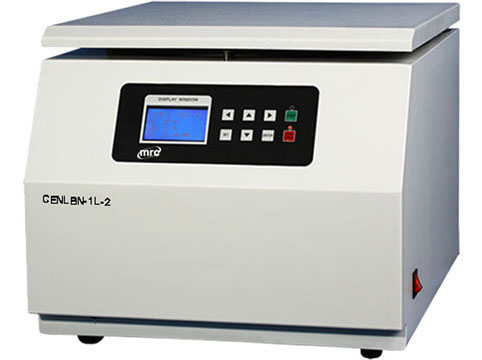
In biology and life sciences, equipment such as centrifuges, DNA sequencers, and fluorescence microscopes are essential tools. They aid in studying cellular processes, DNA analysis, protein interactions, and genetic engineering. Advanced imaging techniques like confocal microscopy and flow cytometry provide detailed insights into the structure and function of living organisms.
Chemistry
Chemistry laboratories rely on a wide range of equipment, including spectrophotometers, chromatography systems, and NMR spectrometers. These instruments facilitate chemical analysis, molecular structure determination, and the synthesis of new compounds. Automation and robotics have revolutionized chemical synthesis, enabling high-throughput screening and combinatorial chemistry.
Physics
Physics experiments often involve sophisticated equipment to measure and analyze physical phenomena. Examples include particle accelerators, laser systems, telescopes, and electron microscopes. These instruments contribute to the study of particle physics, astrophysics, quantum mechanics, and condensed matter physics.
Environmental Sciences
Environmental research relies on various equipment to monitor air quality, water parameters, soil composition, and biodiversity. Remote sensing tools, such as satellite imaging and drones, provide a comprehensive view of Earth's ecosystems. Advanced sensors and data loggers enable long-term monitoring of environmental changes and contribute to understanding climate patterns and ecological dynamics.
Choosing the Right Science Equipment for Your Laboratory
Selecting the appropriate science equipment is essential for achieving accurate and reproducible results in any laboratory environment. Different applications require specialized instruments, ranging from analytical devices and environmental monitoring systems to quality control and material testing equipment. Modern laboratories rely on advanced technologies such as spectrophotometers, centrifuges, incubators, and precision balances to ensure high performance and compliance with international standards. Choosing reliable science equipment from experienced manufacturers improves workflow efficiency, reduces errors, and supports long-term research success across industries including pharmaceuticals, biotechnology, environmental science, and materials testing.
Browse Science Equipment by Category
Our portfolio of science equipment covers a wide range of laboratory applications, enabling researchers and professionals to find the right tools for accurate, reliable, and efficient testing. Explore our main categories below to discover high-quality instruments tailored for your specific needs.
- Analytical Instruments – Advanced systems for precise measurement and analysis, including spectrophotometers and chemical analysis equipment.
- Laboratory Balances – High-precision balances for accurate weighing in research, quality control, and industrial laboratories.
- Centrifuges – Reliable centrifuges designed for sample separation in clinical, pharmaceutical, and biotechnology applications.
- Incubators – Temperature-controlled environments for microbiology, cell culture, and biological research.
- Environmental Monitoring Equipment – Instruments for measuring temperature, humidity, radiation, and air quality in laboratory and field conditions.
- Material Testing Equipment – Devices for evaluating physical properties such as hardness, tensile strength, and durability.
- Sample Preparation Equipment – Mills, homogenizers, and mixers for preparing samples for analysis.
- Laboratory Ovens and Furnaces – Heating solutions for drying, sterilization, and thermal processing.
- Water Baths and Circulators – Accurate temperature control systems for laboratory workflows.
- General Laboratory Equipment – Essential tools and accessories used across research, education, and industrial laboratories.
Each category includes a variety of science equipment designed to meet international standards and support demanding laboratory applications across multiple industries.
Why Choose MRC for Science Equipment
MRC is a trusted global manufacturer and supplier of science equipment, providing advanced laboratory solutions for research, industry, and quality control. Our products are designed to deliver accuracy, durability, and compliance with international standards.
- Wide Product Range – Comprehensive selection of science equipment covering analytical, environmental, biological, and material testing applications.
- High Accuracy and Reliability – Precision-engineered instruments designed for consistent and reproducible results.
- Global Distribution – Supplying science equipment to laboratories worldwide with fast and efficient logistics.
- Quality and Compliance – Equipment manufactured according to international standards suitable for research and industrial use.
- Expert Support – Professional technical assistance to help you select the right equipment for your application.
- Competitive Pricing – Cost-effective solutions without compromising performance and quality.
Whether you are equipping a new laboratory or upgrading existing systems, MRC offers reliable science equipment tailored to your specific requirements. Explore our full product range or contact us for expert guidance and customized solutions.
Request a Quote or View Our Products to find the right science equipment for your laboratory.