Laboratory apparatus refers to the various tools, equipment, and instruments used in scientific laboratories to carry out experiments and research. These apparatuses play a vital role in the accuracy and reliability of scientific data, ensuring that experiments can be replicated and verified by other scientists.
Importance of Laboratory Apparatus
Accurate and reliable data is the foundation of scientific research. Laboratory apparatus allows scientists to control and manipulate variables, ensuring precise measurements and observations. Without the right apparatus, experiments would be prone to errors and inconsistencies, making it difficult to draw valid conclusions.
Types of Laboratory Apparatus
Glassware
Glassware is one of the most common types of laboratory apparatus. It includes items such as beakers, flasks, test tubes, and pipettes. These items are typically made of borosilicate glass, which can withstand high temperatures and chemical reactions.
Plasticware
Plasticware, made from various types of plastic, is another category of laboratory apparatus. It is often used when glassware is not suitable, such as in situations involving corrosive substances or when lightweight and disposable materials are required.
Metalware
Metalware encompasses laboratory apparatus made from metals or metal alloys. Examples include crucibles, tongs, spatulas, and clamps. Metalware is known for its durability and resistance to high temperatures.
Heating Equipment
Heating equipment, such as Bunsen burners and hot plates, is crucial for conducting experiments that require controlled heating. These apparatuses enable scientists to heat or boil substances, facilitating various chemical reactions and processes.
Measuring Instruments
Measuring instruments, such as thermometers, balances, and graduated cylinders, are essential for obtaining accurate measurements of volume, mass, temperature, and other physical properties. These instruments allow scientists to quantify their observations and analyze data effectively.
Common Laboratory Apparatus
Now, let's explore some common examples of laboratory apparatus across different categories:
Beakers
Beakers are cylindrical containers with a flat bottom and a spout for easy pouring. They come in various sizes and are used for holding, mixing, and heating liquids during experiments. Beakers are marked with graduated lines to facilitate volume measurements.
Flasks
Flasks, also known as Erlenmeyer flasks, are triangular-shaped containers with a narrow neck and a flat bottom. They are commonly used for holding and mixing liquids. The conical shape of the flask allows for efficient swirling and mixing without excessive splashing.
Pipettes
Pipettes are slender glass or plastic tubes used for precise measurement and transfer of small quantities of liquids. They come in different types, such as volumetric pipettes and micropipettes, and are essential for accurate dispensing during experiments.
Bunsen Burners
Bunsen burners are gas burners that produce a flame for heating substances. They consist of a metal base with an adjustable air vent and a vertical tube for gas supply. Bunsen burners provide a controlled and consistent source of heat, making them indispensable in laboratories.
Thermometers
Thermometers are instruments used to measure temperature. They typically consist of a glass tube filled with a liquid (such as mercury or alcohol) that expands or contracts with temperature changes. Thermometers enable scientists to monitor and control the temperature of reactions and substances.
Safety Goggles
Safety goggles are protective eyewear designed to shield the eyes from chemical splashes, flying particles, and other potential hazards in the laboratory. They are an essential safety precaution for anyone working with hazardous substances or equipment.
Proper Handling and Maintenance
To ensure the longevity and accuracy of laboratory apparatus, proper handling and maintenance are crucial. Here are some guidelines to follow:
Cleaning and Sterilization
Regular cleaning and sterilization of laboratory apparatus are essential to prevent cross-contamination and ensure accurate results. Glassware and metalware should be cleaned using appropriate detergents or solvents, followed by rinsing with distilled water. Plasticware may need to be autoclaved or soaked in disinfectants.
Storage and Organization
Proper storage and organization of laboratory apparatus help maintain their condition and accessibility. Glassware should be stored in designated cabinets, away from direct sunlight and excessive heat. Plasticware and metalware should be stored in dry areas to prevent corrosion. Labeling and categorizing different apparatus aid in easy retrieval.
Uses of Laboratory Apparatus
Laboratory apparatus serves a wide range of purposes in scientific research and experimentation. From conducting chemical reactions to measuring physical properties, these tools are essential for scientists to carry out their work accurately and efficiently. Let's explore some common uses of laboratory apparatus:
- Beakers: Beakers are versatile containers used for holding, mixing, and heating liquids. They are commonly used in titrations, solution preparations, and chemical reactions.
- Flasks: Flasks, such as Erlenmeyer flasks, are used for holding and mixing liquids. Their conical shape allows for efficient swirling and prevents splashing during agitation.
- Pipettes: Pipettes are used for precise measurement and transfer of liquids. They are particularly useful in analytical chemistry, where small volumes of reagents need to be accurately dispensed.
- Bunsen Burners: Bunsen burners provide a controlled source of heat for various laboratory operations. They are used for heating substances, sterilizing equipment, and performing flame tests.
- Thermometers: Thermometers are used to measure temperature accurately. They are employed in a wide range of applications, including monitoring reaction temperatures, controlling incubation conditions, and calibrating other instruments.
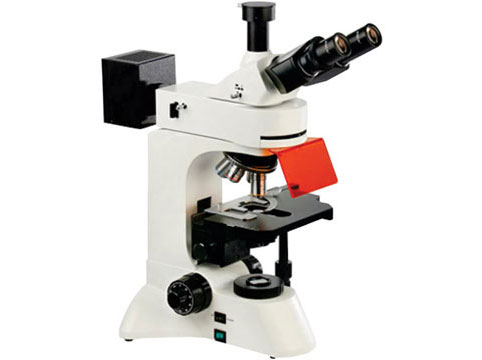
- Microscopes: Microscopes are essential for examining and analyzing microscopic samples. They enable scientists to observe cells, microorganisms, and other minute structures with high magnification and resolution.
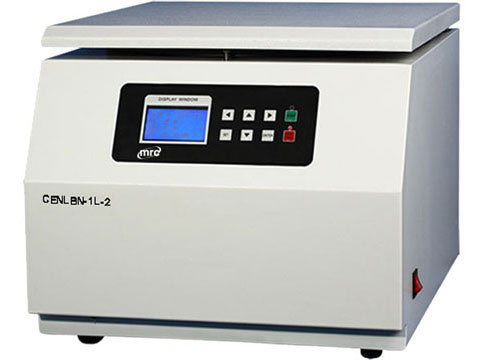
- Centrifuges: Centrifuges are used to separate components of a mixture based on their density. They find applications in biology, biochemistry, and medical diagnostics, allowing for the separation of cells, proteins, and DNA.
- Spectrophotometers: Spectrophotometers are used to measure the absorption or transmission of light by a sample. They are widely employed in chemical analysis, biochemistry, and environmental testing to determine the concentration of substances.
- Balance: A balance is used for precise measurement of mass. It is essential in analytical chemistry, where accurate weighing of substances is critical for preparing solutions and determining sample quantities.
- pH Meters: pH meters are used to measure the acidity or alkalinity of a solution. They are extensively utilized in chemistry, biology, and environmental science to monitor pH levels and ensure optimal conditions for reactions and biological processes.
- Autoclaves: Autoclaves are used for sterilizing laboratory equipment and materials by subjecting them to high-pressure steam. They are vital for maintaining aseptic conditions in microbiology and medical laboratories.
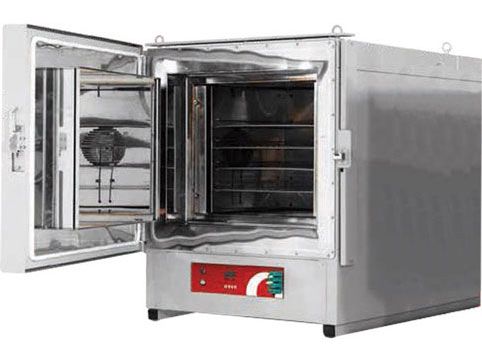
- Incubators: Incubators provide controlled temperature and humidity conditions for the growth and cultivation of cells, bacteria, and other microorganisms. They are used in microbiology, cell culture, and molecular biology experiments.
- Gel Electrophoresis Systems: Gel electrophoresis systems are used to separate DNA, RNA, and proteins based on their size and charge. They are widely employed in genetics, molecular biology, and forensic science for analyzing and characterizing biomolecules.
- Fume Hoods: Fume hoods are essential for handling hazardous chemicals and preventing exposure to toxic fumes. They provide a controlled airflow to protect researchers during procedures involving volatile substances.
- Safety Cabinets: Safety cabinets are used for the storage of hazardous chemicals and biological materials. They provide a secure and controlled environment, ensuring the safe handling and containment of potentially dangerous substances.
Professional and Quality Laboratory Apparatus
The Significance of Professional Laboratory Apparatus
P. Beyond precision, these instruments adhere to strict safety standards, minimizing risks associated with experimental procedures. Researchers and scientists depend on the quality of their equipment to maintain the integrity of their work.
Key Features of Quality Laboratory Apparatus
When investing in laboratory apparatus, certain features are non-negotiable. Durability, precision, and compliance with industry standards are the hallmarks of quality equipment. This section explores why these features are essential for any laboratory setting.
Selecting the Right Laboratory Apparatus
Choosing the right laboratory apparatus involves a thoughtful process. Assessing specific needs, considering budget constraints, and researching reputable brands are critical steps in ensuring that the selected equipment aligns with the requirements of the experiments.