Almost every lab needs baths to do their job on the best side. There are several baths available for labs in the market: oil bath, water bath, ultrasonic bath, sand bath, dry heating bath, and chiller. In this article, we will explain the different types.
The Types Of Baths For Labs
Oil Bath
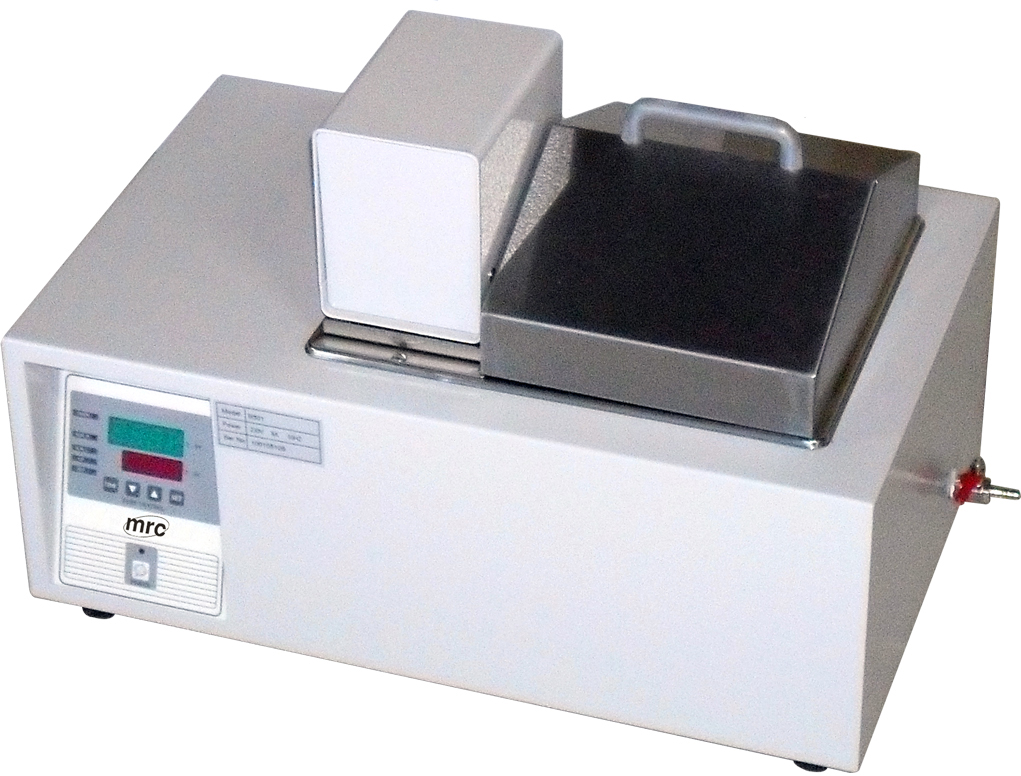
An oil bath is a type of heated bath that is mainly used for labs, it mainly acts to heat chemical reactions. It's basically an oil tank heated by a hot plate. It is most often used for reactions that require heating temperatures up to 200 ° C. Oil baths provide more uniform heat compared to other heaters. Laboratory oil bath made of aluminum or stainless steel mold.
Water bath
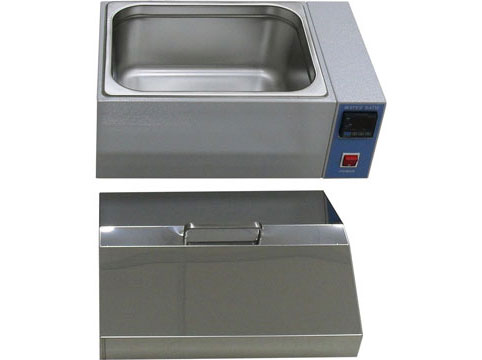
Water baths are used to sample water at a constant temperature over a long period of time. It is very easy to clean. Water baths are manufactured at the highest level of safety. It is also used to allow certain chemical reactions to occur at high temperatures. The temperature can be controlled digitally or manually.
Ultrasonic Bath
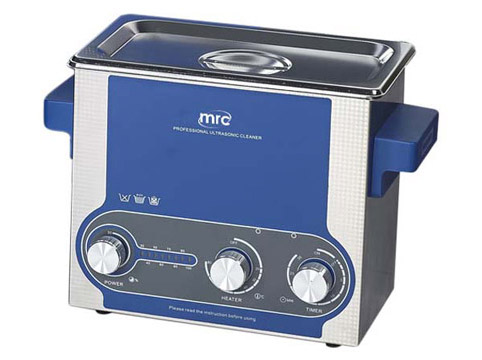
An ultrasonic cleaner is a cleaning device that uses ultrasound and an appropriate cleaning solvent to clean delicate items. An ultrasonic bath allows the use of cleaning solutions to clean surgical instruments and is effective in use with the existing enzymatic solutions. You can use an ultrasonic bath in a variety of options: for dental equipment, cleaning of medical tools, cleaning of laboratory components, weapons cleaning, cleaning of industrial components, cleaning of watches and jewelry, and more.
Sand Bath
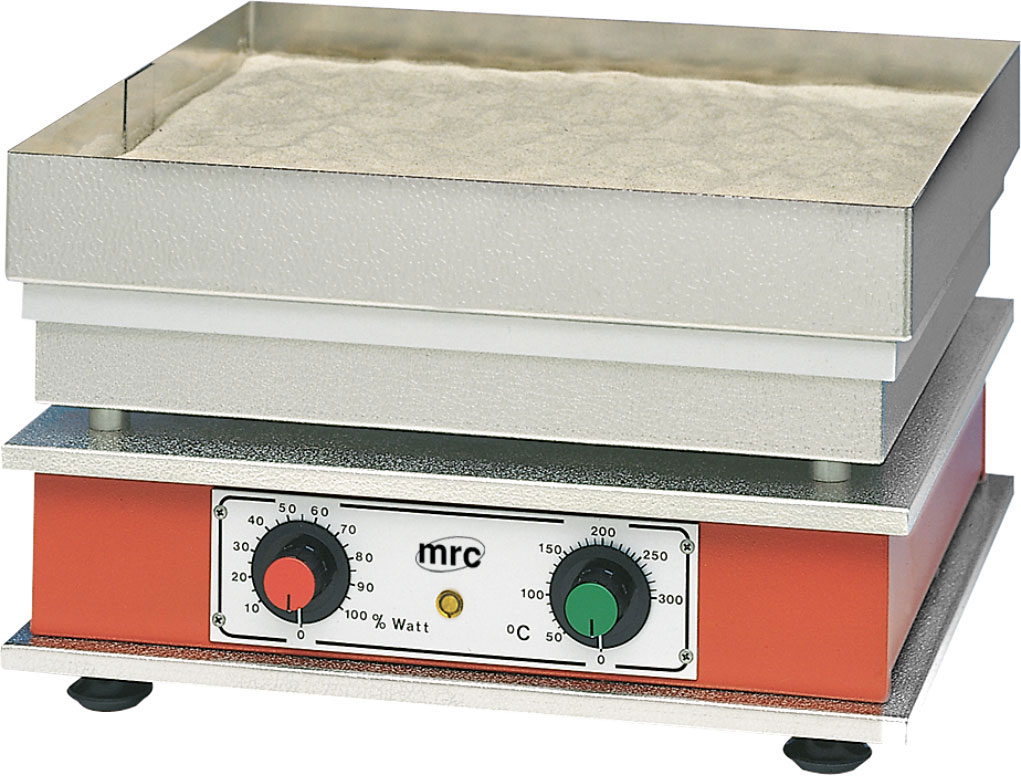
A sand bath is characterized by variable temperature control. The temperature is correctly distributed over the entire heating surface. The heating surface is made of aluminum and very easy to clean. Has precise control capability in any temperature range - even at low temperatures close to room temperature.
Heating Bath
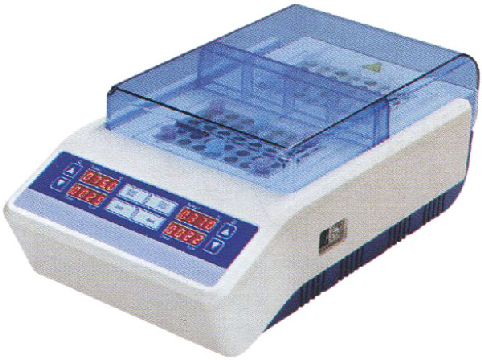
The function of a dry heating bath is to maintain a high-temperature uniformity without the need of water or any other liquid. A heating bath can be used with a selection of heating blocks, dedicated metal beads, or as a wet bath. Another name for a hot tub is: DRY BLOCK HEATERS.
Chiller
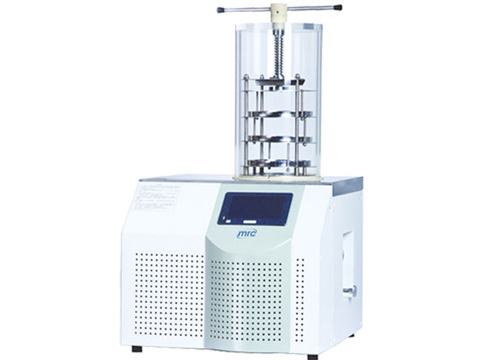
Laboratory Chillers are machines that remove heat from a liquid via a vapor-compression or absorption refrigeration cycle. This liquid can then be circulated through a heat exchanger to cool air or equipment as required. As a necessary byproduct, refrigeration creates waste heat that must be exhausted to ambient or, for greater efficiency, recovered for heating purposes. Concerns in the design and selection of chillers include performance, efficiency, maintenance, and product life cycle environmental impact.
What are Applications of types of baths for labs
Water Bath
Temperature range: Typically up to 100°C
Applications:
- Incubation of samples (e.g. cell cultures, reagents)
- Warming reagents or media gently
- Enzyme reactions
- Thawing or melting biological materials (e.g., agarose)
- Serological tests
- Maintaining constant temperature during experiments
Refrigerated/Heated Circulating Bath
Temperature range: -30°C to 200°C or higher
Applications:
- Precise temperature control in chemical syntheses
- Calibrating instruments or temperature sensors
- Viscosity measurements
- Cooling condensers in distillation setups
- Temperature-sensitive biological studies
Oil Bath
Temperature range: Up to 300°C or more
Applications:
- High-temperature reactions where water is not suitable
- Organic chemistry heating (e.g., reflux, distillation)
- Evaporation of solvents under controlled high heat
Sand Bath
Temperature range: Up to 500°C (depending on setup)
Applications:
- High-temperature heating (e.g., melting, pyrolysis)
- Heating glassware uniformly
- Avoiding direct contact with flame
Bead Bath (Dry Bath)
Uses metallic or ceramic beads instead of water
Applications:
- Avoids contamination and maintenance of water
- Suitable for incubating tubes and vials
- Stable and even heating
- Compatible with molecular biology work
Dry Block Heater (aka Dry Bath Incubator)
Application-specific design for test tubes/microplates
Applications:
- PCR sample preparation
- Enzyme reactions
- DNA denaturation
- Cell lysis and sample incubation
In conclusion
These are the top bath labs currently on the market. MRC provides a wide range of lab baths with the highest safety and manufacturing standards. For more information, please contact us.