There are a variety of several major laboratory balances. But first we will learn what it is.
What are Laboratory Balacnes?
Laboratory balances are used to measure the mass of solids, liquids, and other samples.
Specifications of Laboratory Balances
-Capacity,
-Resolutions
-Platform width and length.
-Display
-Intervace
-Ratings
- Readability
What to Consider
It is important to choose a room and location with stable conditions without vibrations, wind from a window and air conditioner, proximity to motors and stable temperature and humidity.
In addition a massive table is required or alternatively a weighing table made of granite.
If the conditions meet the requirements specified by the equipment manufacturer, it operates properly; If not, its operation is incorrect.
Once you have verified that the conditions in the lab are optimal for balance, you can focus on the performance of the device itself, functionality, dedicated accessories, compliance with regulations, services (calibration, certification and verification), compatibility with other devices, device operation and more.
Types Of Laboratory Balances
Here are the different types of Laboratory Balances
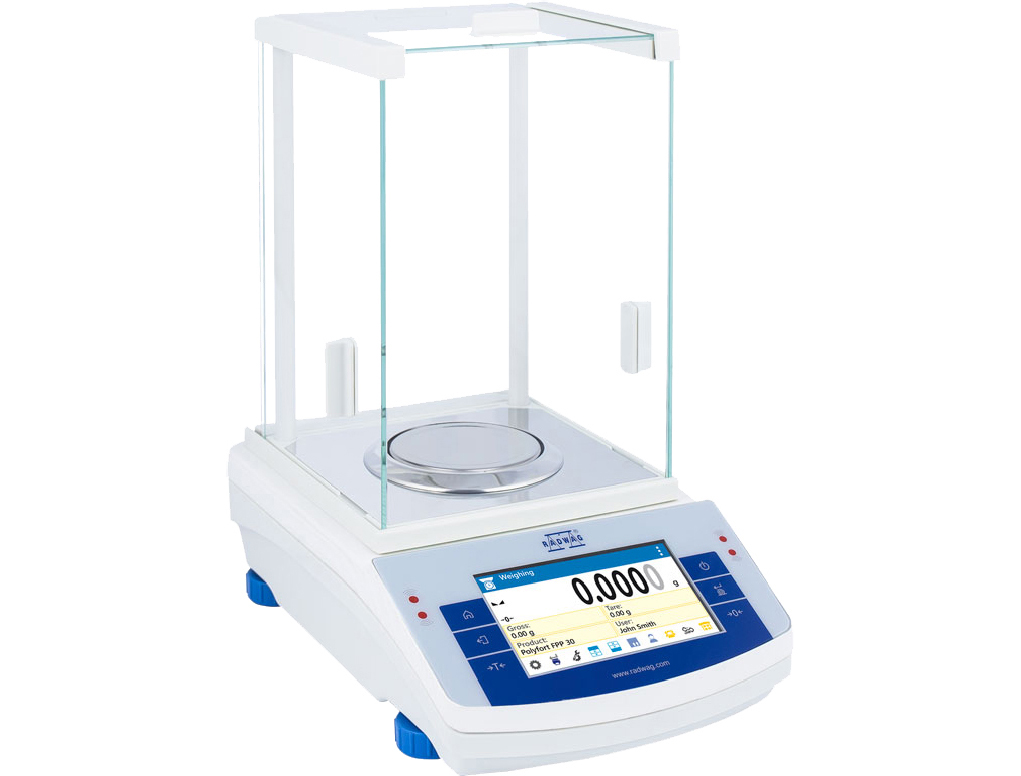
MG: 0.1,1,0.01. Analytical balances are highly sensitive lab instruments designed to accurately measure mass.
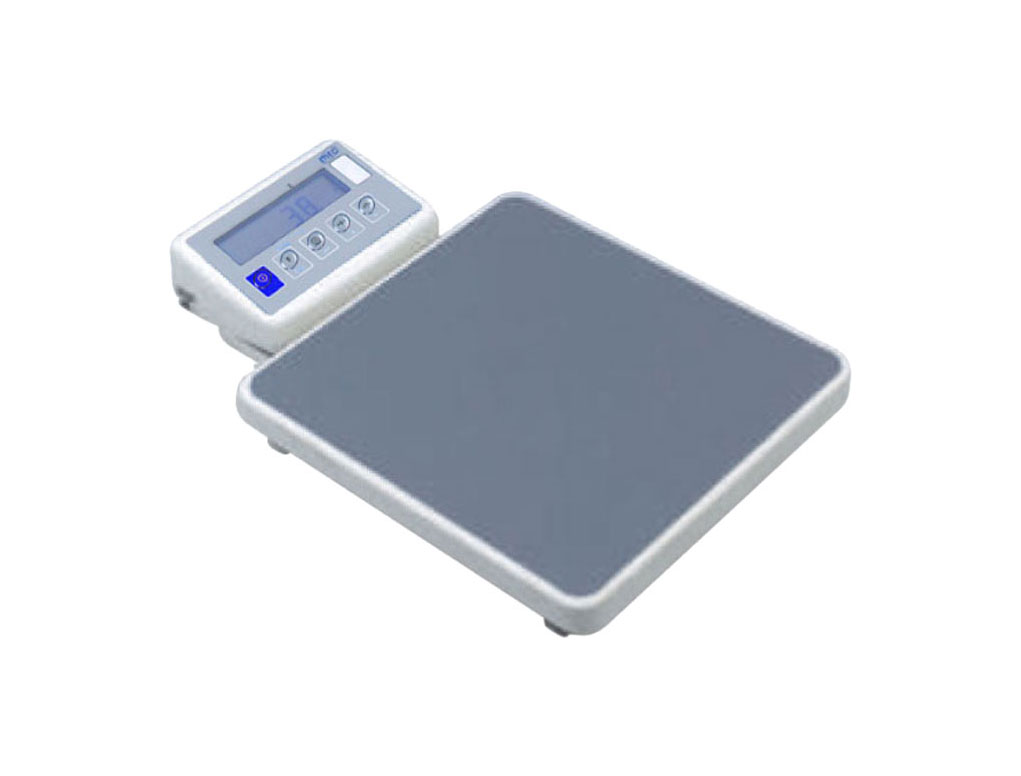
Medical Balance
Medical Balance is suitable for measurements in the field of medicine
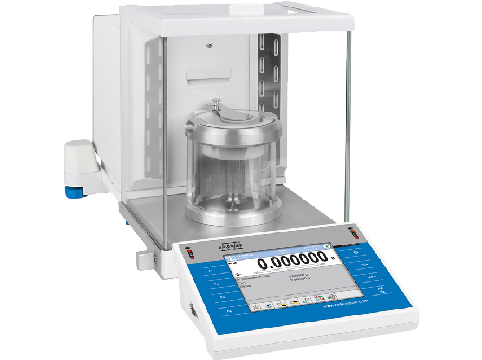
Microbalance
A microbalance is a very accurate weighing instrument
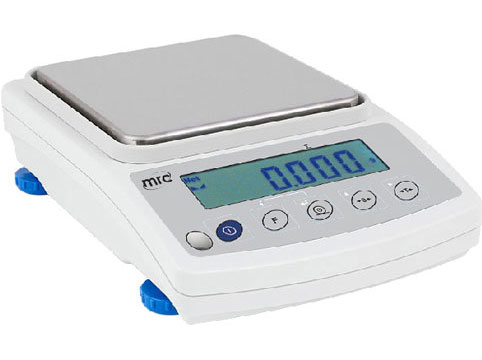
Precision Balance
This balance is suitable for weighing quantities to a very accurate number, usually up to one milligram
Top Applications of Laboratory Balances in Modern Science and Industry
Precision Weighing for Scientific Research
Laboratory balances important in research facilities. Scientists rely on their accuracy for preparing chemical solutions. Even slight deviations in weight can impact experimental results. These instruments ensure consistent, repeatable measurements. High-precision analytical balances often measure down to 0.0001g. This level of accuracy is crucial for molecular biology, pharmacology, and materials science.
Quality Control in Pharmaceutical Production
In the pharmaceutical industry, laboratory balances are essential tools. They verify the exact dosage of active ingredients. Manufacturers depend on balances to comply with regulatory standards. Errors in weight could lead to ineffective or unsafe medications. Every capsule or tablet must contain the precise amount of ingredients. Reliable balances ensure batch consistency and patient safety.
Routine Use in Clinical Laboratories
Clinical labs use laboratory balances to weigh specimens and reagents. Accurate mass measurement helps diagnose diseases and conduct medical tests. For example, they measure urine, blood, and tissue sample weights. They are also used to prepare diagnostic reagents. These balances must meet strict calibration standards to avoid diagnostic errors.
Food Industry Testing and Compliance
In food testing labs, balances help analyze nutritional content. They determine moisture levels, ash content, and additives. Food manufacturers also use them for portion control. Consistency in weight supports accurate labeling and product uniformity. These tools ensure compliance with food safety and labeling laws.
Environmental Monitoring and Research
Environmental scientists use balances to weigh soil, water, and air samples. Small particles like pollutants or microplastics require ultra-precise measurements. These analyses guide environmental policies and industrial regulations. Weighing filters before and after sample collection reveals pollutant levels. Without laboratory balances, these assessments would lack accuracy and credibility.
Chemical and Petrochemical Applications
They are indispensable in chemical and petrochemical labs. Technicians use them to prepare standard solutions and titrants. Accurate formulation is necessary for reaction testing and safety checks. Balances also help monitor the purity of chemical samples. Mistakes in mass can lead to dangerous reactions or invalid results.
Academic Laboratories and Education
Educational institutions use them in chemistry and biology labs. Students learn the fundamentals of measurement and precision. Training with these devices builds essential lab skills. They simulate real-world applications in scientific research and industry. Teaching future professionals to use them properly is critical for future innovation.
Cosmetic Industry Formulation
Cosmetic labs rely on balances to develop new formulations. Precision is essential when combining active ingredients, fragrances, and preservatives. Inconsistent amounts may alter product performance or stability. they help ensure that creams, lotions, and serums meet exact standards. This precision results in better product quality and customer satisfaction.
Biotechnology and Life Sciences
Biotech companies use them to weigh DNA samples, proteins, and enzymes. Accurate weighing supports high-throughput screening and molecular diagnostics. Instruments used in gene editing or synthetic biology must operate with microgram precision. Balances help researchers maintain consistency across experiments, boosting reproducibility.
Industrial and Manufacturing Use
Manufacturers use them during product development and final production stages. They weigh raw materials, monitor loss during production, and check end-product weights. This ensures products meet quality and compliance standards. Some industries even use them for automation and process control integration.
Metallurgy and Materials Testing
In metallurgical labs, balances measure alloy components and finished products. These weights affect strength, durability, and conductivity. Analytical balances allow precise determination of rare earth elements or nanomaterials. These are critical for aerospace, automotive, and electronics industries.