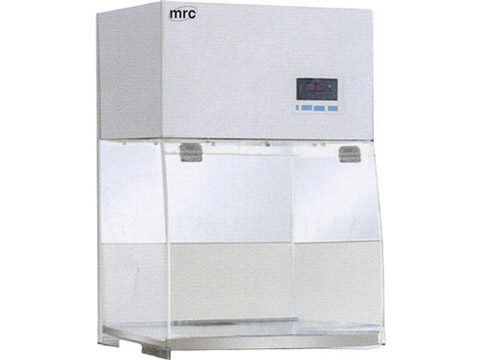
Many companies and organizations purchase laboratory equipment every year. It is important to purchase the equipment through professional sources that provide a wide range of reliable and safe equipment.We are here to give you tips for purchasing lab equipment in the best way.
How to purchase A Laboratory Equipment?
All the organizations that purchase equipment for laboratories are as diverse as research institutes in academic institutions, or private companies and companies engaged in fields such as research and medical development. Those who purchase laboratory equipment depend on the purchase of suitable and quality equipment,It is important to understand that there are many manufacturers and suppliers in this field, not all of which offer products of the highest quality level, or equipment that exactly fits the needs of the same laboratory. Therefore, it is important to make the right and proper decision when it comes to purchasing equipment for labs.
In addition it is important to make sure exactly what quality of warranty you receive when you purchase this or that item of laboratory equipment.In the case of laboratory equipment, the equipment usually costs a lot of money so quality equipment is very important. Therefore, make sure that you understand exactly what the warranty is for the same product, for how long it is valid, what types of faults and repairs it covers and what the course of action is.
What to consider before purchasing Laboratory Equipment
-Features and specifications
-Budget
-User-friendliness
-Warranty
-Identify what equipment you need
Tips For Purchasing Lab Equipment
1. Define Your Requirements Clearly
- Application-specific needs: Know exactly what you need the equipment to do.
- Specifications: List out technical requirements—accuracy, range, capacity, throughput, etc.
- Compatibility: Ensure it integrates with your current lab setup or systems.
2. Set a Realistic Budget (Including Hidden Costs)
- Factor in not just the purchase price but also:
- Installation
- Training
- Maintenance and calibration
- Consumables and accessories
- Warranty extensions
3. Research the Manufacturer & Brand
- Look for:
- Established reputation in your industry
- Quality certifications (ISO, CE, etc.)
- Customer reviews and case studies
- Reach out to labs with similar setups for feedback.
4. Check After-Sales Support
- Technical support availability (local vs remote)
- Response times and service contracts
- Spare parts availability
- Calibration and maintenance services
5. Ensure Compliance & Certifications
- Make sure the equipment complies with relevant standards:
- ISO/IEC, ASTM, FDA, GLP/GMP, etc., depending on your industry
- Request certificates of conformity and calibration documentation
Best Laboratory Equipment
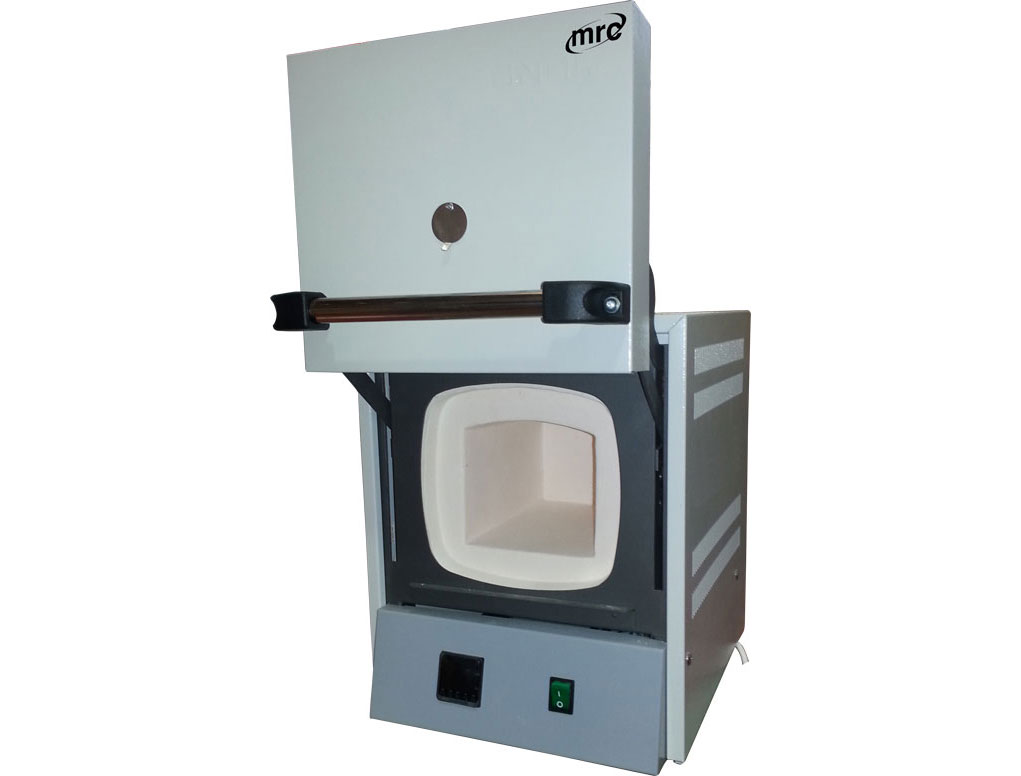
-Laboraotry furnaces
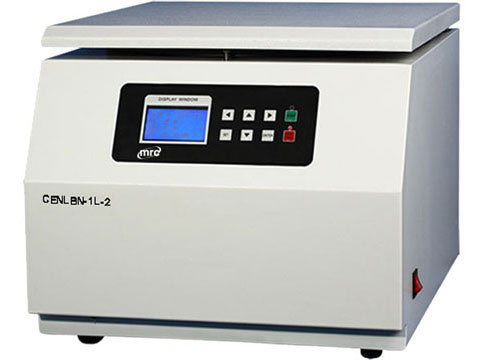
-Centrifuges
-Humidity chamber
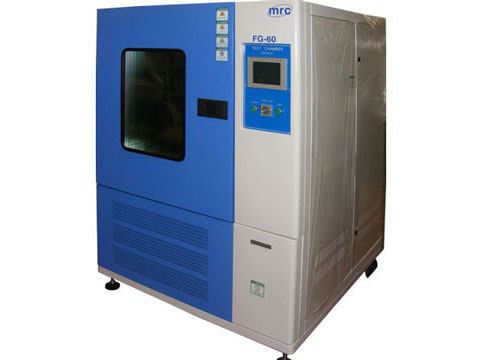
-Growth Chambers
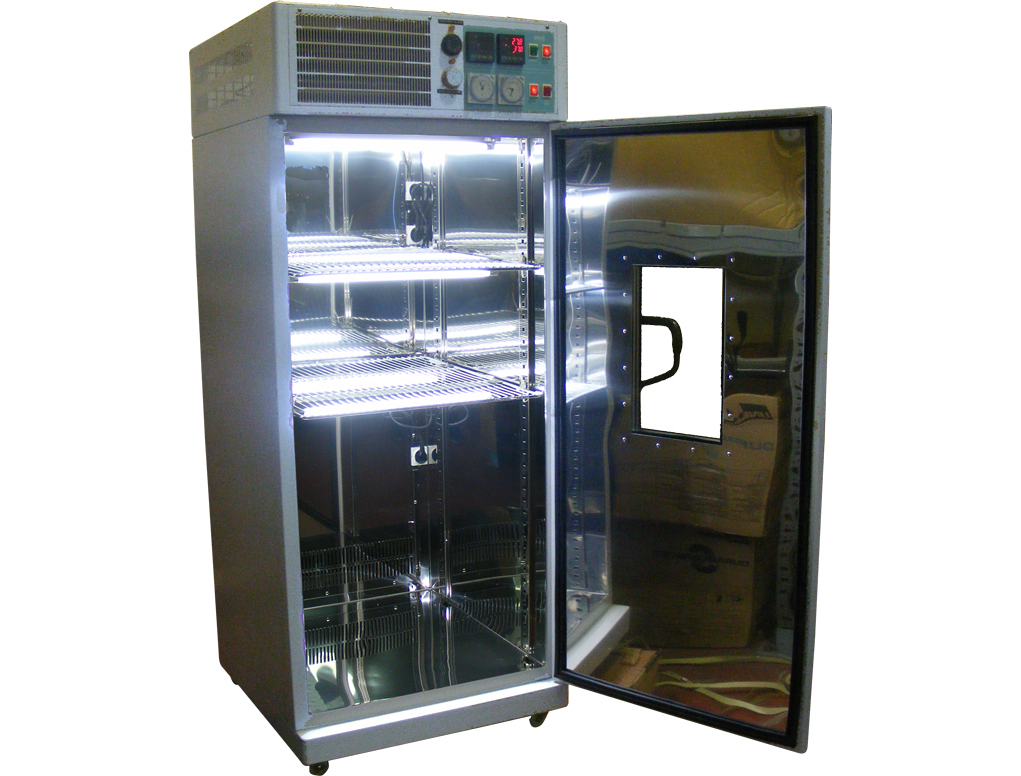
-Laboratory hotplates
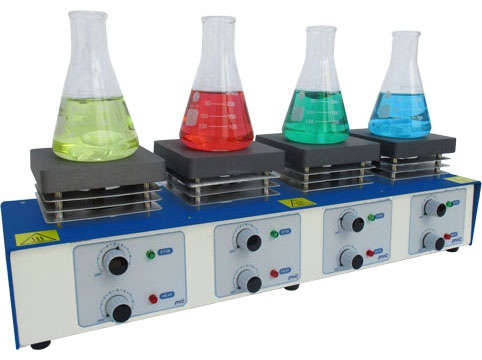
-Laboratory Incubators
-Biological safety cabinet