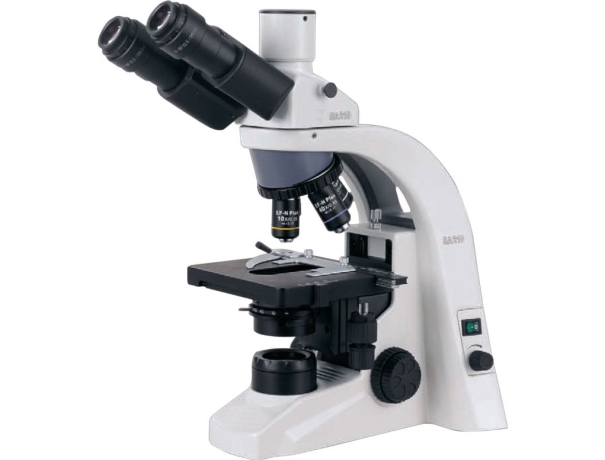
A microscope is an instrument that can be used to observe small objects, even cells. Which microscope is right for you ?, the different types, the differences. In this article we will explain for you.
The Different Models Of Microscopes:
Biological Microscope - This microscope is suitable for samples from animals and plants, the sample is taken between the light source and the field lenses. Multiple objective lenses can be attached, giving these microscopes a magnification that can range from 10x - 1,000x or more.
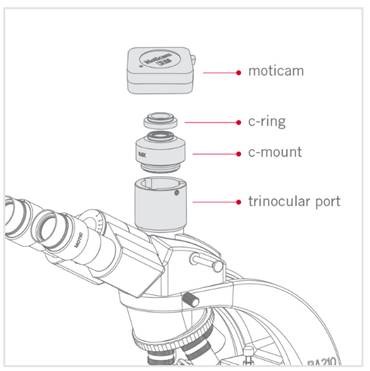
Digital microscope - One of the technological innovations in microscope observations is the ability to get the image in real time through the computer. You can quickly save photos, videos and send them instantly. A digital microscope is one of the important innovations for transferring information quickly.
Stereo Microscope - This device is called an optical microscope. He watches low magnifications. Its operation works in such a way that light is reflected from an object being examined.
Fluorescence Microscope - A fluorescence microscope is an optical microscope that uses a fluorescence instead, a fluorescence microscope identical to a light microscope but with improved features.
The Main Function Of A Microscope:
Tissue surgery
- Legal Evidence - Evidence gathered at a crime scene may contain information that is not visible to the naked eye
- Determining the health of an ecosystem
- Study of atomic structures
-Biological research- Observation of microorganisms.
-Medical research- Microscopes have helped many humanity in the medical field. With the help of this device, scientists and professionals in the laboratory can examine various viruses, bacteria and deadly microorganisms.
-Education- This equipment is also used for educational purposes. Students in colleges, universities, schools and various institutes learn new things about small objects using this device.
The question of what you want your microscope to do will be the most important question to answer in choosing a microscope. Do you want to study tissue samples or microscopic organisms? Or do you want to study larger specimens and samples of rocks or soil.
Application of Microscopes
Microscopes have a wide range of applications across various fields. Here's a breakdown by category:
Scientific Research
- Cell Biology: Observing cell structures, organelles, and processes like mitosis.
- Microbiology: Studying bacteria, viruses, fungi, and other microorganisms.
- Genetics: Examining chromosomes and gene expression under fluorescence microscopes.
- Nanotechnology: Visualizing nanoparticles, nanostructures, and surfaces.
Medical & Clinical
- Pathology: Diagnosing diseases from tissue samples and biopsies.
- Hematology: Analyzing blood cells to detect disorders (e.g., anemia, leukemia).
- Histology: Studying the microanatomy of tissues.
- Surgical Use: Operating microscopes assist in precise surgeries (e.g., eye, brain).
Industrial & Manufacturing
- Quality Control: Inspecting product surfaces, welds, or semiconductors for defects.
- Material Science: Studying the microstructure of metals, polymers, and composites.
- Forensics: Examining evidence like fibers, hair, and residues in criminal investigations.
Agriculture & Environmental Science
- Plant Biology: Analyzing plant cells, roots, and structures for research or breeding.
- Entomology: Studying insects and parasites.
- Soil Analysis: Observing microbes and structures in soil samples.
- Water Quality Monitoring: Identifying microscopic contaminants or plankton.
Education
- Used in schools and universities to teach biology, physics, and chemistry, providing hands-on learning of microscopic organisms and materials.
Right Choice
MRC provides all microscope models. Feel free to consult with us for the right choice.