In the intricate world of biological research, the strategic placement of laboratory equipment plays a pivotal role in ensuring seamless operations and optimal outcomes. This article delves into the nuances of setting up a biology lab, covering everything from safety considerations to budget-friendly tips.
Safety First: Choosing the Right Location
In the dynamic environment of a biology lab, safety is paramount. This section explores how the selection of the right location can significantly impact the well-being of both researchers and experiments.
Chemical Storage Considerations
Proper placement of chemicals is crucial. Storing them in designated areas away from workstations and ensuring compatibility prevents accidental reactions.
Ventilation and Fume Hoods
Efficient ventilation and the presence of fume hoods are imperative to dissipate potentially harmful fumes. Placing them strategically enhances the overall safety of the lab.
Emergency Exits and Accessibility
In the event of an emergency, easy access to exits is non-negotiable. This subheading discusses the importance of clear pathways and accessible emergency exits.
Setting Up Workstations
Efficient workstations are the heart of any biology lab. From lab benches to specialized equipment stations, this section covers the essentials.

Lab Benches and Work Surfaces
The arrangement of lab benches and work surfaces influences the workflow. Proper spacing and ergonomics contribute to a conducive working environment.
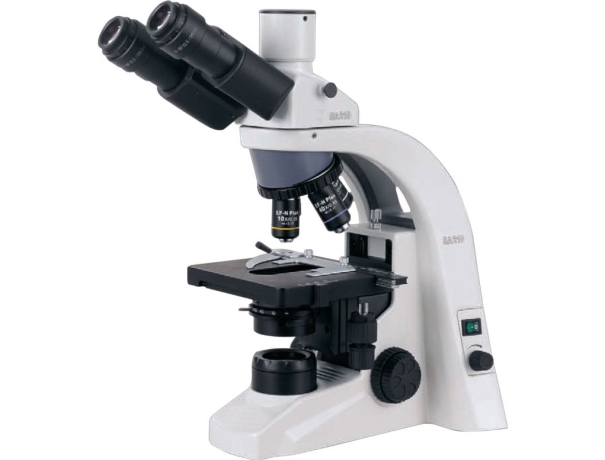
Microscope Stations
Microscopes are fundamental in Biology laboratory equipment. Placing microscope stations in well-lit areas with ample space ensures precision and comfort during observations.
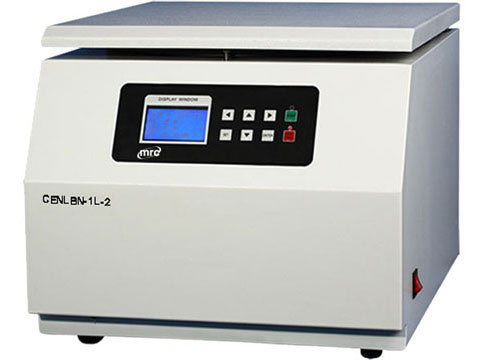
Centrifuge and Other Specialized Equipment
Specialized Laboratory equipment, like centrifuges, demand specific setups. This subheading guides on the optimal placement of such tools for maximum efficiency.
Storage Solutions for Biology Lab Equipment
Orderliness in storage is vital for smooth lab operations. This section discusses the importance of cabinets, shelving, and refrigeration units in maintaining equipment integrity.
Cabinets and Shelving
Adequate storage through cabinets and shelving prevents clutter. Proper organization enhances accessibility and minimizes the risk of damage.
Refrigeration Units
Certain biological materials require refrigeration. Strategically placing these units ensures easy access without compromising the integrity of stored samples.
Proper Labeling Practices
In a well-organized lab, labeling is key. This subheading emphasizes the importance of clear labeling for quick identification and retrieval of materials.
Organizing Small Tools and Consumables
Small tools and consumables are the backbone of a biology lab. This section highlights the significance of organization in this aspect of lab management.
Importance of an Organized Lab
Maintaining an organized lab is more than aesthetics; it directly impacts productivity. This subheading explores the benefits of a clutter-free workspace.
Utilizing Drawers and Containers
Small tools find a home in drawers and containers. Proper utilization of these storage solutions streamlines daily tasks and ensures tools are readily available.
Maintaining a Clutter-Free Workspace
Clutter can impede efficiency. This subheading provides practical tips on keeping workspaces clutter-free for enhanced focus and productivity.
Maintaining Equipment Accessibility
Accessibility to lab equipment is a common challenge. This section addresses ways to ensure equipment is easily accessible without creating congestion.
Preventing Congestion
Congestion in work areas can lead to accidents. This subheading offers insights into preventing congestion without compromising equipment accessibility.
Regular Equipment Checks
Routine checks are essential for equipment longevity. This section emphasizes the importance of regular inspections to identify and address issues promptly.
Upkeep and Cleaning Practices
Cleanliness is vital in a biology lab. This subheading discusses the significance of proper upkeep and cleaning practices for equipment and workspaces.
Collaboration Spaces
Collaboration fosters innovation. This section explores the concept of collaboration spaces within a biology lab for shared projects and collective problem-solving.
Group Workstations
Designated group workstations encourage collaborative efforts. This subheading delves into the advantages of creating spaces that facilitate teamwork.
Shared Microscope and Analysis Areas
Certain analyses require shared resources. This section discusses the strategic placement of shared microscope and analysis areas to promote interaction and shared expertise among researchers.
Facilitating Team Collaboration
Encouraging team collaboration goes beyond physical space. This subheading explores ways to foster a collaborative culture within the lab, enhancing overall productivity.
Future-Proofing Your Lab Layout
Adaptability is key in a rapidly evolving scientific landscape. This section discusses how a well-thought-out lab layout can accommodate changes in technology, research methods, and team dynamics.
Adaptable Designs for Evolving Needs
Predicting the future is challenging, but designing labs with flexibility in mind can accommodate unforeseen changes in research priorities or technological advancements.
Technological Integration
The integration of cutting-edge technology enhances research capabilities. This subheading explores how to incorporate technological advancements seamlessly into the lab setting.
Flexibility in Lab Furniture
Lab furniture should be more than static fixtures. This section discusses the importance of adjustable and modular furniture to adapt to changing research requirements.