Embarking on the journey to establish a new research laboratory is an exciting opportunity for scientists and researchers to contribute to their fields. A well-equipped laboratory is essential to conduct experiments, analyze data, and make groundbreaking discoveries. Let's delve into the steps required to create a functional and productive research space.
Defining Your Research Goals and Needs
Before you even think about acquiring equipment, it's imperative to define your research goals. What areas of study will your laboratory focus on? This will guide your equipment choices and ensure you invest in tools that align with your research objectives.
Budgeting for Your Laboratory
Creating a comprehensive budget is crucial. Research equipment can be expensive, and overspending at the outset can impact the sustainability of your lab. Allocate funds for equipment, furniture, safety measures, and potential maintenance costs.

Essential Equipment for a Basic Laboratory Setup
Laboratory Furniture
Invest in ergonomic and functional furniture. Lab benches, chairs, storage solutions, and workstations should be designed to optimize space and comfort, enabling researchers to work efficiently.
Safety Equipment
Safety should always be a top priority. Stock up on fire extinguishers, safety goggles, gloves, lab coats, and emergency showers to ensure the well-being of everyone in the lab.
Basic Laboratory Instruments
Equip your lab with fundamental tools like pipettes, centrifuges, balances, and pH meters. These Laboratory Equipment are essential for routine tasks and experiments.
Specialized Equipment for Advanced Research
Analytical Instruments
For advanced research, consider instruments like spectrophotometers, chromatographs, and mass spectrometers.
Molecular Biology Equipment
If your research involves molecular biology, invest in equipment such as thermal cyclers, gel electrophoresis systems, and DNA sequencers. These tools are pivotal for genetic studies.
Imaging and Microscopy Tools
Microscopes with different magnification levels, imaging software, and cameras are essential for visualizing and analyzing samples at the microscopic level.
Sourcing Equipment: Buying vs. Renting
When acquiring equipment, weigh the pros and cons of buying versus renting. Purchasing offers long-term ownership, while renting provides flexibility and cost savings, especially for specialized equipment.
Laboratory Layout and Design
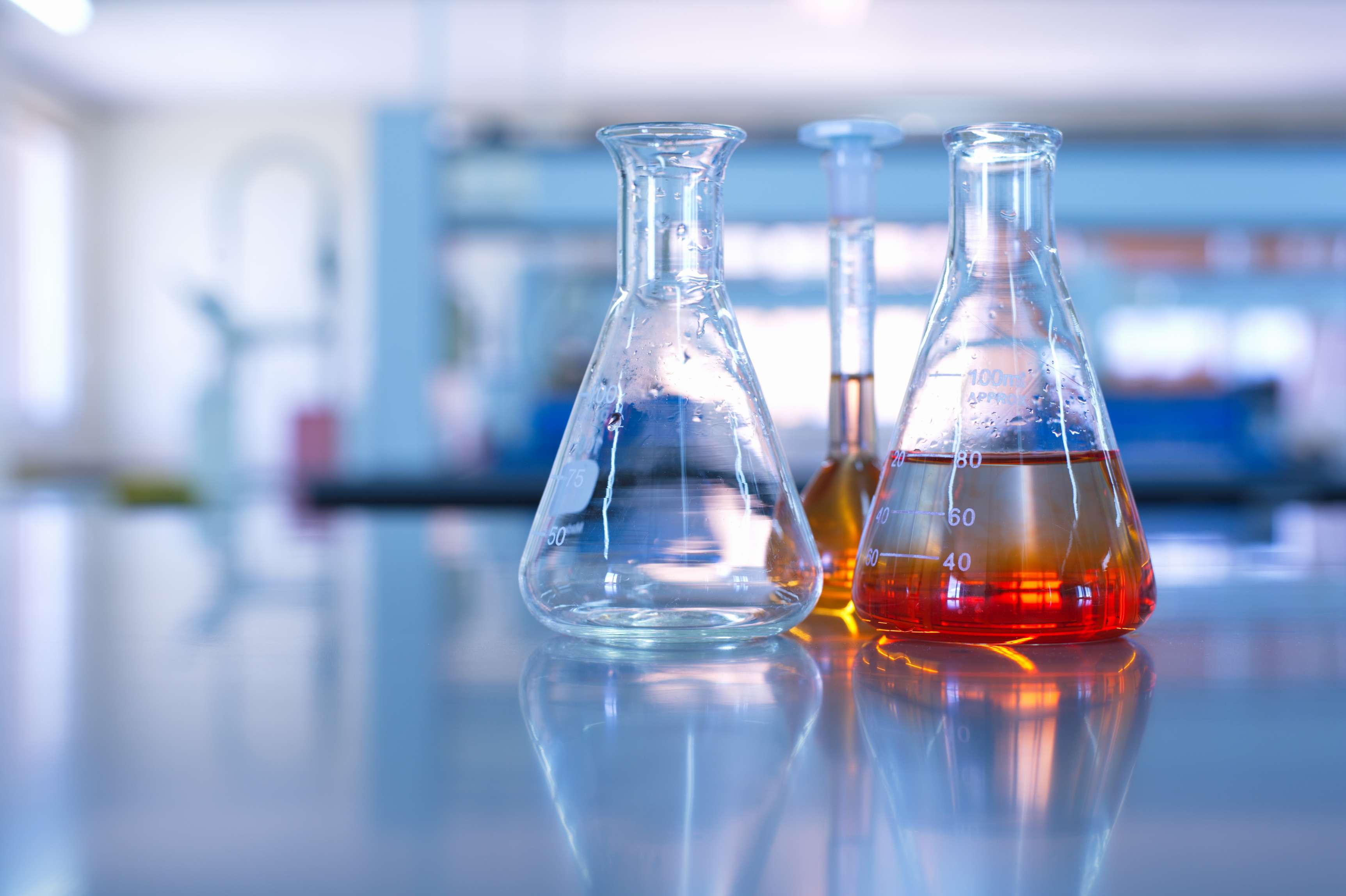
Efficient lab design promotes smooth workflows. Consider the layout of workstations, instrument placement, and traffic flow to optimize collaboration and productivity.
Ensuring Safety and Compliance
Training and Protocols
Train your team on equipment usage and safety protocols. Regular training sessions ensure everyone is well-versed in handling the equipment correctly.
Waste Disposal
Implement proper waste disposal procedures for chemicals, biological materials, and other hazardous substances. Comply with regulations to safeguard the environment.
Setting Up a Data Management System
An effective data management system is vital for organizing research findings. Use specialized software to manage, analyze, and store data securely.

Types of Laboratory Equipment for a New Laboratory
Microscopes
Microscopes are indispensable tools for magnifying and visualizing microscopic samples. They come in various types, including compound microscopes for biological samples and electron microscopes for nanoscale imaging.
Centrifuges
Centrifuges are used to separate substances in a sample based on their density. They're crucial for processes like cell isolation, DNA extraction, and protein purification.
Pipettes
Pipettes are precision instruments used to transfer small volumes of liquids. They come in various types, including manual and electronic pipettes, and are essential for accurate measurements in experiments.
Balances
Balances are used to measure the mass of substances with high precision. They're crucial for preparing accurate solutions and conducting precise chemical reactions.
pH Meters
pH meters measure the acidity or alkalinity of a solution. They're vital for maintaining consistent pH levels in experiments involving biological, chemical, and environmental samples.
Spectrophotometers
Spectrophotometers analyze the interaction of light with a sample, providing information about its properties. They're used for quantitative analysis of substances like DNA, proteins, and chemicals.
Chromatographs
Chromatographs separate complex mixtures into individual components, aiding in identifying and quantifying compounds. Gas chromatography (GC) and liquid chromatography (LC) are common techniques.
Mass Spectrometers
Mass spectrometers identify compounds based on their mass-to-charge ratio. They're used in proteomics, metabolomics, and environmental analysis to determine the composition of samples.
Thermal Cyclers
Thermal cyclers perform polymerase chain reaction (PCR) to amplify DNA segments. They're essential for genetics research, diagnostics, and DNA profiling.
DNA Sequencers
DNA sequencers determine the order of nucleotides in a DNA molecule. They're pivotal for genomics, personalized medicine, and studying genetic variations.
Gel Electrophoresis Systems
Gel electrophoresis systems separate DNA, RNA, or proteins based on their size and charge. They're used in molecular biology to analyze and purify biomolecules.
PCR Workstations
PCR workstations provide a sterile environment for setting up PCR reactions, minimizing the risk of contamination during DNA amplification.
Nucleic Acid Extractors
Nucleic acid extractors automate the process of DNA and RNA extraction, saving time and ensuring consistent results.