Blood centrifugation is a fundamental technique in laboratories, especially in medical, research, and diagnostic settings, to separate blood into its primary components: plasma, white blood cells, and red blood cells. This separation allows for detailed analysis of each component, essential for various medical tests and research studies. Here’s how a blood centrifuge works to efficiently separate these layers.
What is Blood Composition
Blood is a complex mixture primarily consisting of red blood cells (RBCs), white blood cells (WBCs), platelets, and plasma. Each component has different densities:
- Red Blood Cells (RBCs): These are the heaviest due to their high iron content, which gives blood its red color.
- White Blood Cells (WBCs) and Platelets: Lighter than red blood cells, they form a thin middle layer known as the "buffy coat" during centrifugation.
- Plasma: This is the lightest component, comprising mostly water, proteins, hormones, and waste products. Plasma makes up about 55% of total blood volume.
The Principle of Centrifugation
A blood centrifuge operates based on centrifugal force, which is generated by spinning blood samples at high speeds. When blood is placed in a centrifuge and spun at specific speeds, centrifugal force acts on the different components. This force causes heavier components to move outward and settle at the bottom of the tube, while lighter components remain closer to the top.
The basic principle behind this process relies on density differences between blood components. Since red blood cells are denser than plasma, they migrate to the bottom, with the lighter plasma at the top and the buffy coat in between.
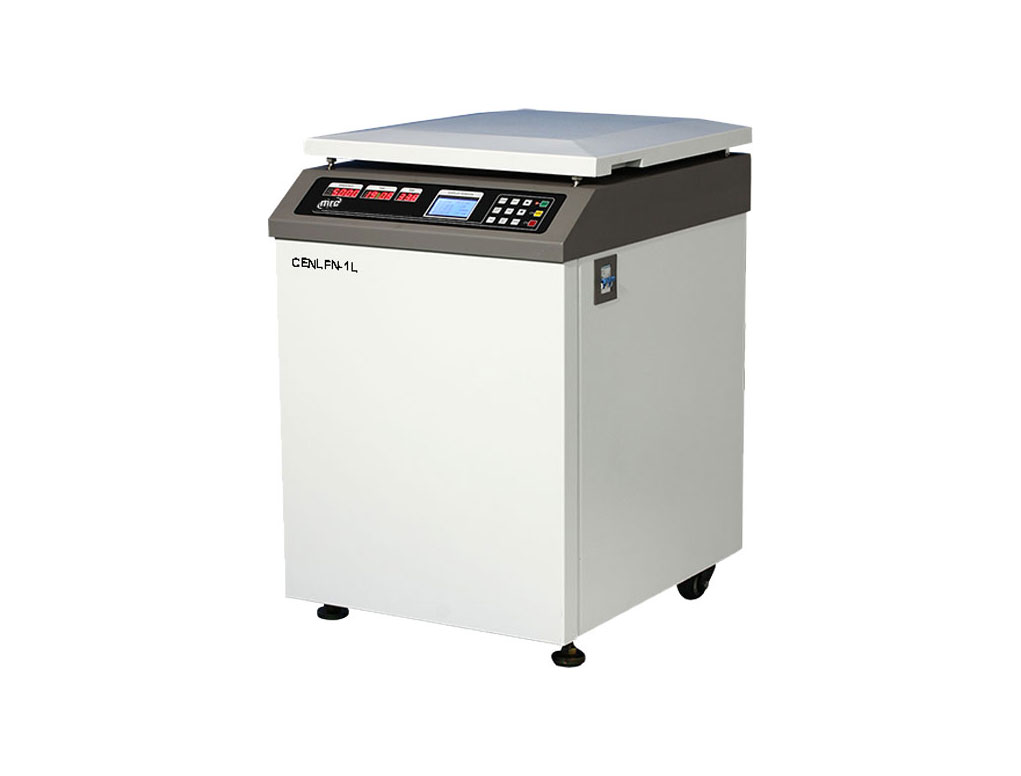
The Centrifugation Process
To separate blood components, the following steps are typically followed:
- Preparation: Blood is drawn and collected in a centrifuge tube, often containing an anticoagulant to prevent clotting. Clotted blood can complicate separation by trapping cellular components.
- Loading and Balancing: The centrifuge tubes are placed in the centrifuge, ensuring even weight distribution. Balancing is essential; if one tube is significantly heavier than others, it can cause vibrations and even damage the centrifuge.
- Spinning (Centrifugation): The centrifuge spins the samples at a high speed—usually between 1,000 and 3,000 revolutions per minute (RPM). The speed and duration depend on the desired separation and type of blood component being targeted.
- Separation: As the centrifuge spins, centrifugal force drives the denser red blood cells to the bottom of the tube. The middle layer, or buffy coat, contains white blood cells and platelets, and plasma remains at the top.
- Collection: Once centrifugation is complete, the different layers are clearly visible. Plasma can be carefully pipetted off, and other components can be removed for further analysis.
Blood Centrifugation and Applications
Blood centrifuges are invaluable in medicine and research due to their ability to separate components accurately. Here are some key applications:
- Diagnostic Testing: Plasma is often used in diagnostic tests, including those for glucose, cholesterol, and electrolytes.
- Therapeutic Procedures: In transfusion medicine, blood centrifugation helps separate specific blood components like plasma and platelets, which can be used in treatments for patients with various blood disorders.
- Research Purposes: White blood cells are isolated for immunological research, while red blood cells can be studied for blood-related diseases.
Types of Blood Centrifuges
Different Laboratory centrifuges are designed based on the specific needs of the separation process. For example:
- Clinical Centrifuges: Used in clinical labs, they are typically slower and handle moderate volumes.
- High-Speed Centrifuges: Found in research labs, they spin at higher RPMs and can handle larger blood samples.