Cell culture is a fundamental technique in biological and medical research, allowing scientists to study the behavior of cells in controlled environments. The success of cell culture experiments depends largely on the availability and proper use of specialized equipment. This article explores the key cell culture equipment used in laboratories, with a focus on vacuum pumps, microscopes, autoclaves, cryogenic containers, colony counters, laboratory refrigerators, lab freezers, centrifuges, biological cabinets, and CO2 incubators.
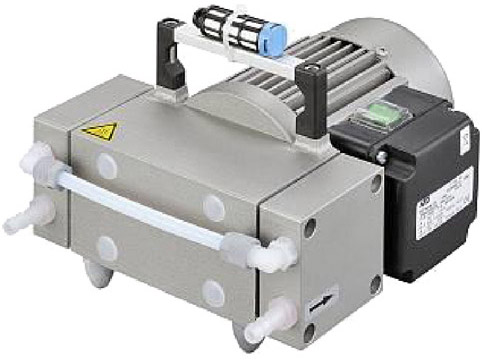
1. Vacuum Pumps
Vacuum pumps are essential for maintaining sterile conditions in cell culture work. They are used in filtration, aspiration of liquids, and degassing solutions. These pumps help remove contaminants and prevent microbial growth in culture media. Modern Vacuum pumps are designed to be oil-free to reduce maintenance and contamination risks.
2. Microscopes
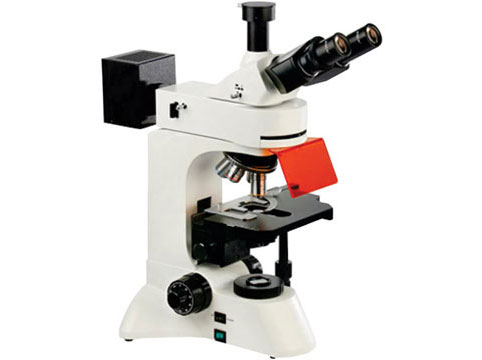
Microscopes are indispensable for cell culture research. They allow scientists to observe cell morphology, monitor cell health, and assess confluency. The two primary types used in cell culture Equipment laboratories are:
- Inverted Microscopes: Ideal for observing adherent cells in culture flasks or plates.
- Fluorescence Microscopes: Used for examining cellular structures labeled with fluorescent dyes.
Advanced Microscopes equipped with digital imaging systems enhance documentation and analysis of cell growth and behavior.
3. Autoclaves
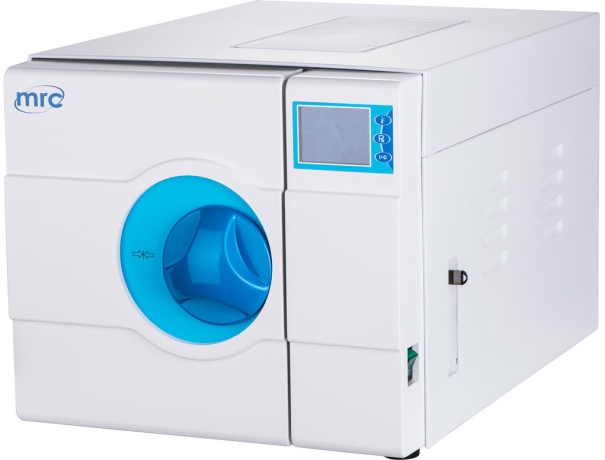
Autoclaves are important in sterilizing culture media, tools, and waste materials. Using high-pressure steam, Autoclaves eliminate bacteria, fungi, and viruses, ensuring a sterile environment for cell culture. Regular autoclaving of laboratory instruments minimizes contamination risks and enhances experimental reliability.
4. Cryogenic Containers
Cryogenic containers are used to store biological samples, including cell lines, at ultra-low temperatures (-196°C) using liquid nitrogen. These containers preserve cell viability for long-term research and therapeutic applications. Proper handling of cryogenic storage ensures sample integrity and reduces the risk of contamination.
5. Colony Counters
Colony counters are vital for microbiological and cell culture studies that require quantification of colonies grown on agar plates. These devices provide accurate colony counts, reducing manual counting errors and enhancing reproducibility. Automated colony counters equipped with imaging software improve efficiency and accuracy.
6. Laboratory Refrigerators
Laboratory refrigerators are designed to store culture media, reagents, and biological samples at controlled temperatures (2°C - 8°C). Unlike household refrigerators, they offer uniform cooling, alarm systems, and temperature monitoring to protect sensitive materials from fluctuations.
7. Lab Freezers
Lab freezers (-20°C to -80°C) provide long-term storage for biological samples, including cell lines, enzymes, and antibodies. Ultra-low temperature (ULT) freezers are commonly used for preserving valuable samples, ensuring their viability over extended periods.
8. Centrifuges
Centrifuges separate cellular components based on density by spinning samples at high speeds. They are essential for isolating cells, harvesting cellular debris, and preparing samples for analysis. Different types of centrifuges, such as microcentrifuges and refrigerated centrifuges, cater to specific research needs.
9. Biological Cabinets
Biological safety cabinets (BSCs) provide a sterile workspace for handling cell cultures and hazardous materials. These cabinets prevent contamination and protect researchers from biohazard exposure. There are three classes of BSCs:
- Class I: Protects the user and environment but not the sample.
- Class II: Protects the user, sample, and environment (most common for cell culture).
- Class III: Fully enclosed, offering maximum protection.
10. CO2 Incubators
CO2 incubators create optimal conditions for cell culture growth by regulating temperature, humidity, and carbon dioxide levels. Maintaining a stable CO2 concentration (typically 5%) is critical for buffering cell culture media and ensuring healthy cell proliferation. Modern CO2 incubators incorporate HEPA filtration, UV sterilization, and oxygen control for enhanced performance.