Analytical instruments are essential tools in modern laboratories, enabling scientists, researchers, and quality control professionals to measure, analyze, and interpret physical and chemical properties of materials. These instruments play a central role in industries such as pharmaceuticals, environmental science, food and beverage, chemical manufacturing, and academic research.
By providing accurate and reproducible data, analytical instruments ensure product quality, regulatory compliance, and scientific reliability. Whether measuring concentration, composition, structure, or physical properties, these systems form the backbone of laboratory analysis.
What Are Analytical Instruments?
Analytical instruments are specialized devices designed to determine the composition, structure, or quantity of substances. They allow laboratories to perform qualitative and quantitative analysis with high precision.
These instruments are typically used for:
- Chemical analysis
- Physical property measurement
- Material characterization
- Quality control testing
- Research and development
Modern analytical instruments combine advanced sensors, digital controls, and data processing systems to deliver highly accurate results.
Why Analytical Instruments Are Critical in Laboratories
Laboratory Analytical instruments are indispensable for ensuring reliable laboratory results. Their importance lies in several key areas:
1. Accuracy and Precision
High-quality analytical instruments provide precise measurements, minimizing errors and ensuring consistency.
2. Regulatory Compliance
Industries such as pharmaceuticals and food production must comply with standards like ISO, GMP, GLP, USP, and EP. Analytical instruments help meet these requirements.
3. Quality Control
These instruments ensure that products meet strict specifications before reaching the market.
4. Research and Innovation
Analytical tools support scientific discovery by enabling detailed material analysis.
Main Categories of Analytical Instruments
The Analytical Instruments category typically includes a wide range of devices, each designed for specific analytical purposes. Below are the main categories commonly found in laboratory environments.
Spectrophotometers
Overview
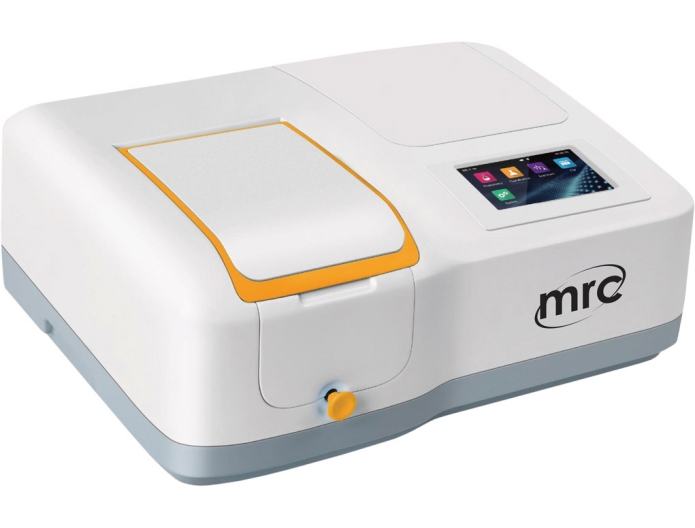
Spectrophotometers measure the intensity of light absorbed by a sample at specific wavelengths. This allows determination of concentration and chemical composition.
Applications
- Chemical analysis
- Pharmaceutical testing
- Environmental monitoring
- Food quality control
Types
- UV-Vis Spectrophotometers
- Visible Spectrophotometers
- Microvolume Spectrophotometers
Spectrophotometers are among the most widely used analytical instruments due to their versatility and accuracy.
Flame Photometers
Overview
Flame photometers are used to measure the concentration of certain metal ions, such as sodium, potassium, calcium, and lithium.
Applications
- Clinical laboratories
- Agricultural testing
- Water analysis
- Food industry
They are valued for their simplicity, speed, and cost-effectiveness.
Polarimeters
Overview
Polarimeters measure the angle of rotation caused by passing polarized light through optically active substances.
Applications
- Sugar industry
- Pharmaceutical analysis
- Chemical research
They are essential for determining concentration and purity of chiral compounds.
Refractometers
Overview
Refractometers measure the refractive index of a substance, which correlates with concentration and composition.
Applications
- Food and beverage quality control
- Chemical analysis
- Pharmaceutical production
These instruments are widely used for quick and reliable measurements.
Turbidity Meters (Turbidimeters)
Overview
Turbidity meters measure the cloudiness or haziness of a liquid caused by suspended particles.
Applications
- Water quality testing
- Environmental monitoring
- Industrial processes
They are critical for ensuring safe drinking water and compliance with environmental regulations.
Colorimeters
Overview
Colorimeters measure the absorbance of specific wavelengths of light to determine the concentration of colored compounds.
Applications
- Clinical diagnostics
- Food analysis
- Environmental testing
They provide a cost-effective alternative to spectrophotometers for routine analysis.
pH Meters
Overview
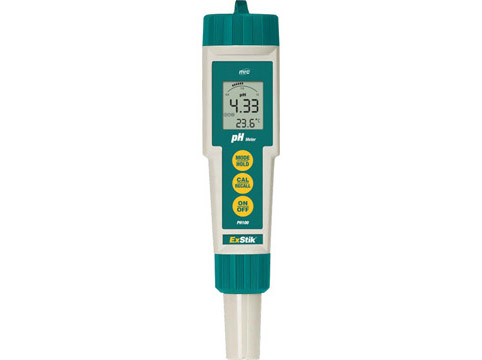
pH meters measure the acidity or alkalinity of a solution.
Applications
- Chemical laboratories
- Food processing
- Environmental analysis
- Water treatment
Accurate pH measurement is essential for many chemical and biological processes.
Conductivity Meters
Overview
Conductivity meters measure the ability of a solution to conduct electrical current, which is related to ion concentration.
Applications
- Water quality monitoring
- Industrial processes
- Laboratory analysis
These instruments are widely used for assessing purity and contamination.
Dissolved Oxygen Meters
Overview
Dissolved oxygen (DO) meters measure the amount of oxygen dissolved in a liquid.
Applications
- Aquaculture
- Environmental monitoring
- Wastewater treatment
Maintaining proper oxygen levels is critical in biological and environmental systems.
Viscosity Measurement Instruments
Overview
Viscometers measure the resistance of fluids to flow.
Applications
- Food industry
- Chemical production
- Pharmaceuticals
They are essential for quality control of liquids and semi-solids.
Moisture Analyzers
Overview
Moisture analyzers determine the moisture content of samples by measuring weight loss during drying.
Applications
- Food testing
- Pharmaceutical production
- Material analysis
Accurate moisture measurement is crucial for product stability and shelf life.
Advanced Analytical Systems
Beyond basic instruments, laboratories often use advanced analytical systems such as:
- Chromatography systems
- Particle size analyzers
- Thermal analysis instruments
- Elemental analyzers
These systems provide deeper insights into material composition and structure.
Key Features of Modern Analytical Instruments
Modern analytical instruments offer advanced capabilities that improve laboratory performance:
Automation
Automated systems reduce manual errors and increase throughput.
Digital Integration
Many instruments connect to software systems for data analysis and reporting.
High Sensitivity
Advanced sensors allow detection of very low concentrations.
User-Friendly Interfaces
Touchscreens and intuitive controls simplify operation.
How to Choose the Right Analytical Instrument
Selecting the correct instrument depends on several factors:
Application Requirements
Define what needs to be measured and the required accuracy.
Sample Type
Different instruments are suited for liquids, solids, or gases.
Regulatory Standards
Ensure compliance with industry standards.
Budget
Balance performance with cost-effectiveness.
Maintenance and Support
Choose reliable equipment with strong technical support.
Industries That Rely on Analytical Instruments
Analytical instruments are used across multiple industries:
- Pharmaceuticals – drug formulation and quality control
- Food & Beverage – safety and composition analysis
- Environmental – water and air monitoring
- Chemical Industry – process control and research
- Academic Research – scientific studies
Analytical Instruments and Quality Assurance
Quality assurance depends heavily on reliable analytical data. These instruments ensure:
- Consistent product quality
- Regulatory compliance
- Traceability of results
- Reduced risk of errors
Accurate measurement leads to better decision-making and improved operational efficiency.
The Role of MRC LTD in Analytical Instruments
MRC LTD is an advanced international manufacturer and supplier of laboratory equipment, offering a comprehensive range of analytical instruments designed for precision, reliability, and performance.
With a wide portfolio including spectrophotometers, flame photometers, refractometers, and more, MRC provides solutions for laboratories worldwide. Their equipment is designed to meet international standards and support both routine testing and advanced research applications.