At its core, the primary objective of an autoclave is to eliminate all forms of microbial life, including bacteria, viruses, fungi, and spores. It achieves this through a combination of high pressure, high temperature, and moisture, which collectively destroy microorganisms and render materials sterile.
Key Components:
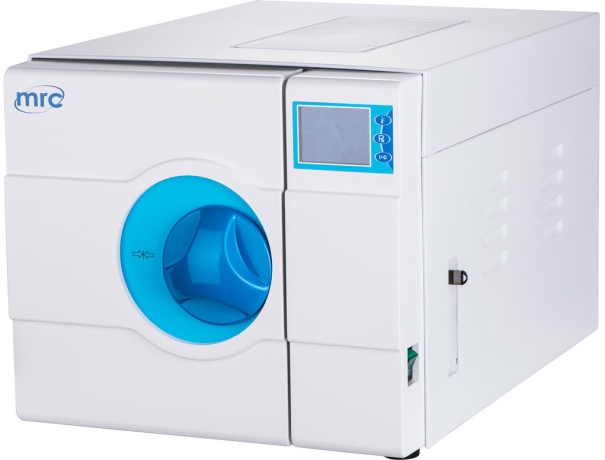
- Pressure Chamber: The autoclave consists of a pressure chamber where materials to be sterilized are placed. This chamber is sealed to contain pressure and steam during the sterilization process.
- Steam Generator: Autoclaves are equipped with a steam generator responsible for producing steam. The steam is a critical component for achieving sterilization as it carries heat and moisture into the chamber.
- Pressure Control System: A pressure control system regulates the internal pressure within the autoclave. It ensures that the pressure reaches the required level for effective sterilization and maintains it throughout the process.
- Temperature Control System: Alongside pressure regulation, autoclaves feature a temperature control system that ensures the internal temperature rises to the desired level for sterilization. Typically, temperatures range from 121°C to 134°C (250°F to 273°F).
Sterilization Process:
The sterilization process begins by loading the materials to be sterilized into the autoclave chamber. Once the chamber is sealed, the steam generator fills the chamber with steam, displacing the air. As steam is introduced, the pressure and temperature inside the chamber rise rapidly.
The combination of high pressure and temperature is crucial for effective sterilization. The steam penetrates materials, reaching areas that might be difficult to access using other sterilization methods. Moreover, the heat denatures proteins and disrupts cellular structures, effectively killing microorganisms.
Sterilization Cycle:
Autoclaves operate on a predefined sterilization cycle, which includes several phases:
- Pre-Vacuum Phase: In this phase, air is removed from the chamber to create a vacuum. Removing air ensures better steam penetration and more effective sterilization.
- Sterilization Phase: Once the chamber reaches the desired pressure and temperature, the sterilization phase begins. The materials inside the chamber remain at the required conditions for a specified duration, typically ranging from 15 to 30 minutes, depending on the load and sterilization requirements.
- Post-Vacuum Phase: After the sterilization phase, the vacuum is applied again to remove excess steam and moisture from the chamber. This helps in preventing condensation and ensures that materials are dry when removed from the autoclave.
- Cooling Phase: Finally, the chamber undergoes a cooling phase to lower the temperature and pressure gradually. This prevents thermal shock to the materials and allows for safe handling once the sterilization cycle is complete.
Safety Considerations:
While autoclaves are highly effective at sterilization, they also pose certain risks if not used correctly. Pressure and temperature fluctuations, improper loading of materials, and equipment malfunctions can compromise the sterilization process and pose safety hazards to users.
Regular maintenance, calibration, and adherence to safety protocols are essential to ensure the proper functioning of autoclaves and minimize risks associated with their operation.
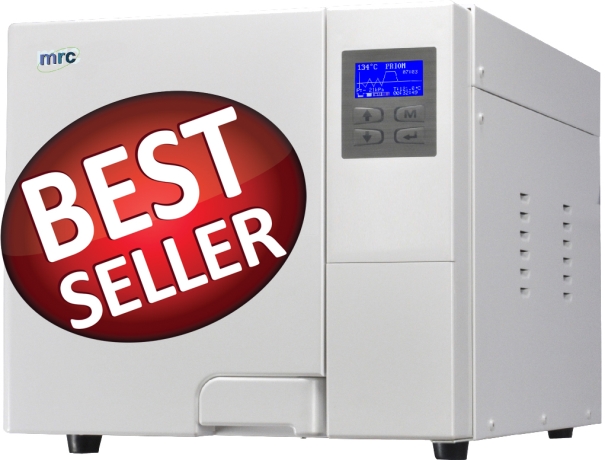
When choosing an autoclave for laboratory sterilization, it is important to match the sterilization chamber, cycle type, temperature range and pressure control system to the materials being processed. In medical, microbiology, pharmaceutical and research laboratories, steam sterilizers, also known as laboratory autoclaves, are commonly used for sterilizing glassware, culture media, surgical tools, liquids and reusable lab equipment. A reliable high-pressure steam sterilizer helps improve sterilization efficiency, reduce contamination risks and support consistent laboratory workflow in regulated environments.