A Peristaltic Pump is an electrical device for fluid distribution or fluid transfer in a uniform and controlled manner without any contact between the pump and the fluid and is in fact used as a positive pressure pump.type of positive displacement pump used for pumping a variety of fluids.
Peristaltic Pump working principle
The operation of a peristaltic pump is based on pipe pressing. The blackmail operation of the pipeline is done by a rotating wheel in the tube is located in the pipeline.Several pipe pressure points determine the accuracy of the pump.The elasticity of the pipeline causes its opening and produces a sub-pressure by increasing the volume that allows suction of up to approximately 0.9 bar.The actual pumping principle, called peristalsis, is based on alternating compression and relaxation of the hose or tube, drawing content in and propelling product away from the pump. Combining these suction and discharge principles results in a powerful self priming positive displacement action.
Peristaltic pumps are designed for the dosing and transfer of various liquid substances, from chemicals, through sludges to ingredients and food products.peristaltic pumps is a safe and reliable product.
Prepare The Workplace For Peristaltic Pump
That the pump is working High mechanical load is applied to the pipe and the rotor.So you need to define its dedicated workflow. We recommend defining the dedicated workflow for the pump because the appropriate pump and pipe must be fitted to it and to make sure that the peristaltic pump is working continuously.
Important highlights in Peristaltic Pump
The pump handles high viscosity fluids and solids containing solids.The pump mechanism is built without valves.The structure of their pumping system is completely sealed.Pump - accurate and reliable.
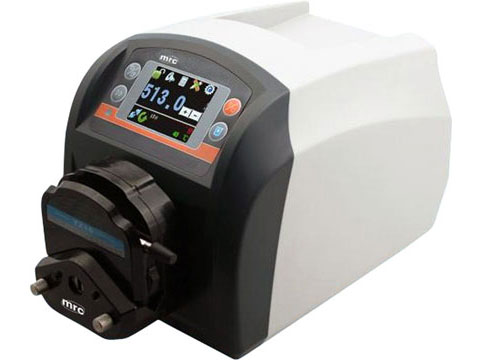
How Does a Peristaltic Pump Work?
At the heart of the peristaltic pump is a flexible tube housed inside a circular pump casing. Rollers or shoes, attached to a rotating rotor, compress the tubing at intervals as they spin. As one roller squeezes the tube shut, it pushes the liquid forward. Once the roller moves past, the tube naturally rebounds to its original shape, creating a vacuum that draws in more fluid from the inlet.
This “pinch and release” action continues in a consistent, cyclical motion, creating a smooth, pulseless flow of fluid without any direct contact between the liquid and the pump mechanism itself.
How to maintain a Peristaltic Pump?
-Checking the oil level frequently
-Check the pump lubricant.
-Check for leaks from the pumps
Check regularly if there are any strange noises that should not be