If you work with hazardous chemicals or biological materials, safety is paramount. Two important tools in your safety arsenal are biological cabinets and fume hoods. In this article, we will take a closer look at these essential safety devices, including their differences, how they work, and why they are important.
What is a Biological Cabinet?
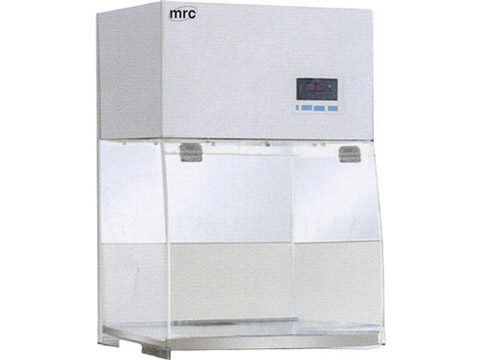
A biological cabinet is a safety device used in laboratories to provide a controlled environment for handling biological materials, such as microorganisms and viruses. It is also known as a biosafety cabinet or biohazard cabinet. Biological cabinets are designed to protect both the user and the surrounding environment from contamination by these materials.
Types of Biological Cabinets
There are three primary types of biological cabinets: Class I, Class II, and Class III. Class I cabinets provide protection for the user but not the environment, while Class III cabinets provide protection for both the user and the environment. Class II cabinets are the most common type of biological cabinet and provide both user and environmental protection.
How Does a Biological Cabinet Work?
Biological cabinets work by using a combination of HEPA filters and negative air pressure to prevent the escape of biological materials. The air inside the cabinet is continually filtered to remove any contaminants, while the negative air pressure prevents contaminated air from escaping.
Benefits of Using a Biological Cabinet
Using a biological cabinet provides a high level of protection against exposure to hazardous biological materials. It also helps to ensure that any biological material is contained within the cabinet and cannot escape into the surrounding environment.
What is a Fume Hood?
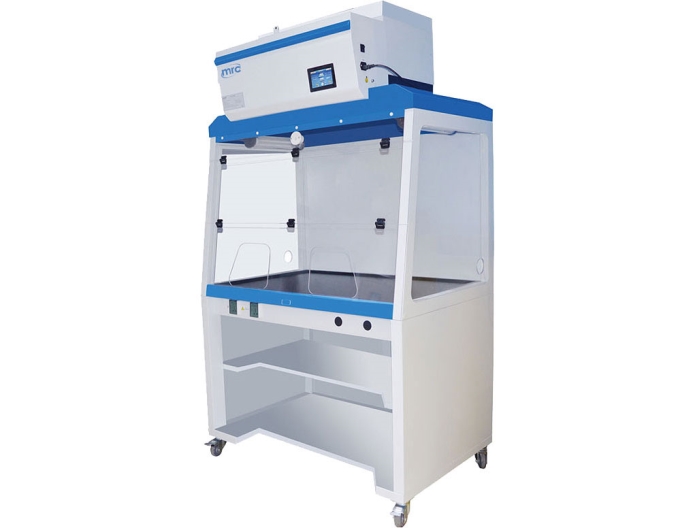
A fume hood is a safety device used in laboratories to protect users from hazardous chemical fumes and vapors. It is also known as a chemical hood or safety hood. Fume hoods are designed to capture and remove these hazardous substances from the air before they can be inhaled.
Types of Fume Hoods
There are two primary types of Laboratory fume hoods: ducted and ductless. Ducted fume hoods are connected to an exhaust system that removes the hazardous air outside the building. Ductless fume hoods use filters to remove hazardous substances before recirculating the air back into the room.
How Does a Fume Hood Work?
Fume hoods work by capturing the hazardous fumes and vapors in the air and removing them through a ventilation system. Ducted fume hoods use a fan to pull the air through the hood and exhaust it outside the building. Ductless fume hoods use filters to remove the hazardous substances before recirculating the air.
Benefits of Using a Fume Hood
Using a fume hood provides a high level of protection against exposure to hazardous chemical fumes and vapors. It also helps to ensure that these substances are contained within the hood and cannot escape into the surrounding environment.
Differences Between Biological Cabinets and Fume Hoods
While both biological cabinets and fume hoods are safety devices used in laboratories, they serve different purposes. Biological cabinets are designed to provide a controlled environment for handling biological materials, while fume hoods are designed to protect users from hazardous chemical fumes and vapors.
Biological cabinets use HEPA filters and negative air pressure to prevent the escape of biological materials, while fume hoods use a ventilation system to capture and remove hazardous fumes and vapors. Biological cabinets provide protection for both the user and the environment, while fume hoods provide protection for the user only.
Choosing the Right Safety Device
When selecting a safety device, it is important to consider the specific hazards associated with your work. If you work with biological materials, a biological cabinet is the appropriate safety device. If you work with hazardous chemicals, a fume hood is the appropriate safety device.
It is also important to consider the size and type of the materials you will be handling, as well as the size of the laboratory and the number of people working in it. Consulting with a safety expert can help ensure that you select the appropriate safety device for your specific needs.
Maintenance and Care
Proper maintenance and care of biological cabinets and fume hoods is essential to ensure their continued effectiveness in protecting users and the environment. This includes regular cleaning and sterilization, certification and testing, and replacement of parts as needed.
Cleaning and Sterilization
Biological cabinets and fume hoods should be regularly cleaned and sterilized to prevent the buildup of contaminants. This includes wiping down surfaces with disinfectant, cleaning and replacing filters, and ensuring that ventilation systems are working properly.
Certification and Testing
Biological cabinets and fume hoods should be certified and tested regularly to ensure that they are functioning properly. This includes certification by a qualified technician and testing for proper airflow and filter efficiency.
Safety Precautions
In addition to using biological cabinets and fume hoods, there are additional safety precautions that should be taken when working with hazardous materials. These include the use of personal protective equipment, such as gloves and goggles, and ensuring proper ventilation in the laboratory.
Personal Protective Equipment
Personal protective equipment should be worn at all times when handling hazardous materials. This includes gloves, goggles, and lab coats. It is important to select the appropriate type of PPE based on the specific hazards associated with your work.
Proper Ventilation
Proper ventilation in the laboratory is essential to prevent the buildup of hazardous fumes and vapors. This includes using biological cabinets and fume hoods, as well as ensuring that the laboratory has proper ventilation systems in place.