Adjustable pipettes are precision tools designed for transferring specific volumes of liquids in laboratories. They allow users to change the volume setting based on the task, making them versatile and essential for experiments requiring accuracy and reproducibility.
Types of Adjustable Pipettes
Manual Pipettes
Manual pipettes require the user to adjust the volume using a dial or knob and operate the plunger manually.
Electronic Pipettes
These are more advanced, allowing automated dispensing and higher precision through digital control.
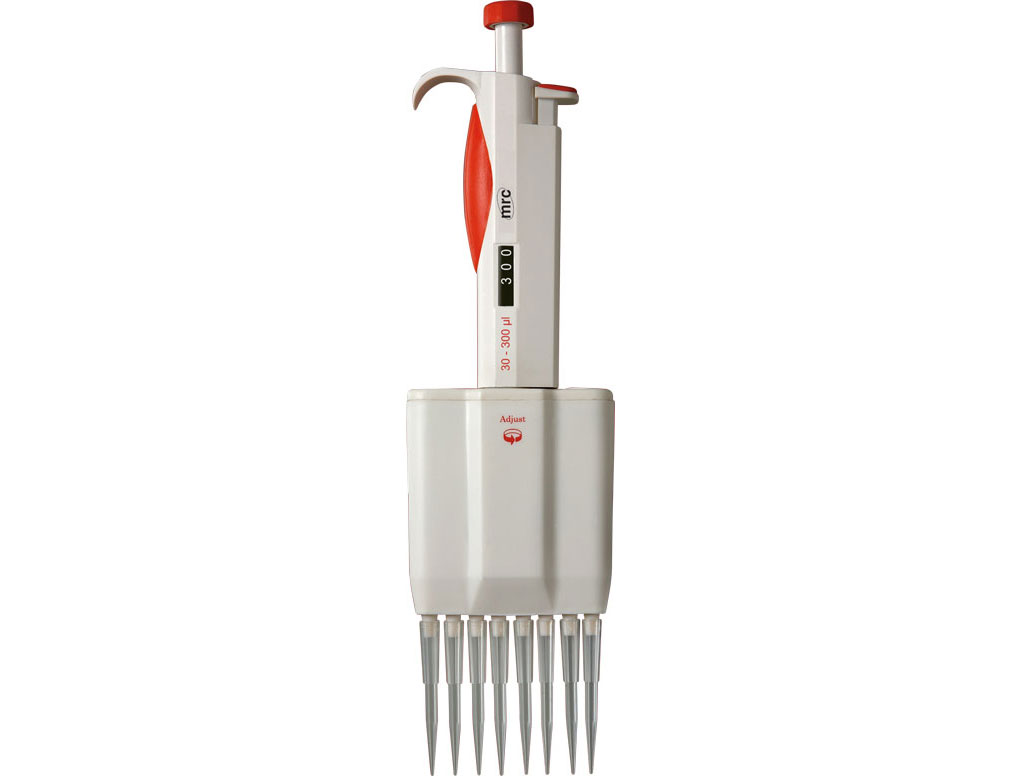
Multichannel Pipettes
Designed for high-throughput applications, multichannel pipettes enable simultaneous liquid handling across multiple wells or tubes.
How Adjustable Pipettes Work
Adjustable pipettes work by setting the desired volume through a dial or digital interface. The piston mechanism ensures that the precise amount of liquid is aspirated and dispensed. Regular calibration ensures these tools maintain accuracy and precision.
Volume Ranges for Adjustable Pipettes
Volume ranges for adjustable pipettes vary widely to accommodate different applications. Broadly, they fall into two categories:
Micropipettes
Handle smaller volumes, typically ranging from 0.1 µL to 1000 µL.
Macropipettes
Used for larger volumes, ranging from 1 mL to 10 mL or more.
Common Volume Ranges
- 0.1 µL to 10 µL
Ideal for DNA/RNA extraction or handling minute quantities of reagents. - 10 µL to 100 µL
Commonly used for enzyme assays and small-scale liquid handling. - 100 µL to 1000 µL
Perfect for transferring moderate liquid volumes in general laboratory applications. - 1 mL to 10 mL
Best suited for larger liquid transfers, such as buffer preparation or chemical solutions.
Factors Influencing Volume Selection
Type of Application
Experiments requiring high precision, such as PCR, may demand smaller volume ranges.
Liquid Properties
Viscous or volatile liquids may influence the choice of pipette.
Accuracy Requirements
For critical tasks, opt for pipettes offering the highest accuracy within the volume range.
Micropipette Volume Categories
- Ultra-Low Volumes (0.1 µL to 2 µL): Ideal for DNA amplification and molecular biology.
- Low Volumes (2 µL to 20 µL): Suitable for small reagent transfers.
- Mid-Range Volumes (20 µL to 200 µL): Versatile for a variety of experiments.
- High Volumes (200 µL to 1000 µL): Used in protein assays and larger sample handling.
Macropipette Volume Ranges
Macropipettes handle volumes from 1 mL to 10 mL. They are essential for biochemistry and chemistry labs, where larger liquid quantities are commonly required.
Advantages of Adjustable Volume Pipettes
- Flexibility: Accommodates various experimental needs.
- Cost-Effective: Reduces the need for multiple pipettes.
- Minimizes Waste: Ensures precise liquid handling to avoid overuse.
Choosing the Right Volume Range
Match the pipette’s capacity with your experimental needs. For smaller samples, choose micropipettes; for larger tasks, macropipettes are your go-to.