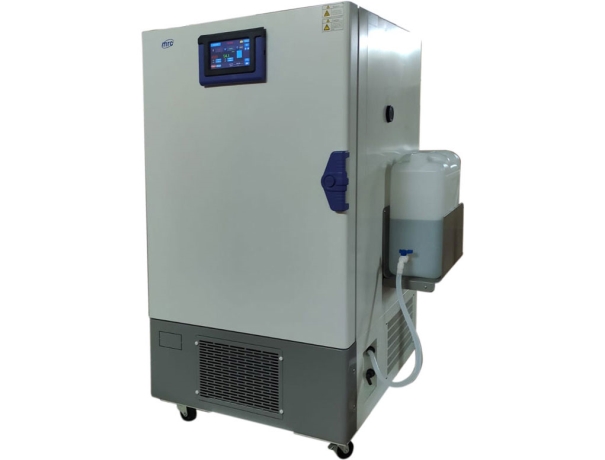
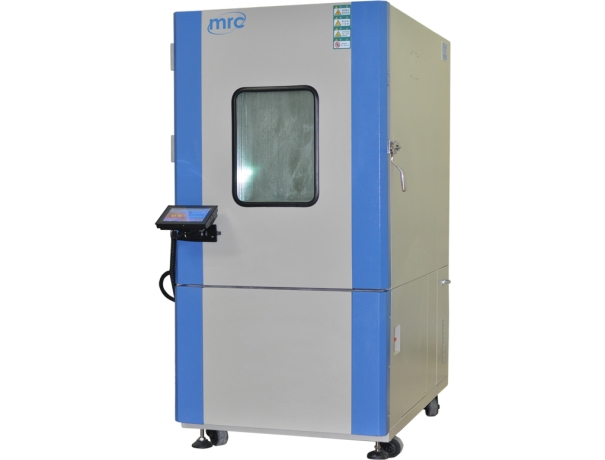
Environmental chambers, also known as climatic chambers or climate test chambers, are indispensable tools for various industries. These chambers simulate specific environmental conditions to test the durability, reliability, and performance of products under controlled settings. Whether you're working with electronics, pharmaceuticals, or even aerospace materials, precise temperature and humidity control are critical to ensure products meet stringent standards.
Key Features of Environmental Chambers
Versatility in Simulations
Environmental chambers are designed to replicate a wide array of environmental conditions, ranging from desert-like dryness to humid tropical climates or frigid polar temperatures.
Precision in Control Mechanisms
Thanks to advanced technology, these chambers offer unparalleled accuracy, allowing industries to achieve the exact parameters needed for testing.
Types of Environmental Chambers
Some common types include:
- Walk-in chambers for large-scale testing
- Benchtop chambers for small-scale applications
- Specialty chambers for vibration and altitude simulation
Temperature Ranges in Environmental Chambers
Common Temperature Ranges
Standard environmental chambers often accommodate temperatures from -40°C to 150°C. These ranges are suitable for most general-purpose applications, such as material testing and quality assurance.
Specialized High-Temperature Chambers
High-temperature chambers can reach up to 300°C or more. These are used for materials testing, such as evaluating thermal expansion or the stability of substances under heat.
Low-Temperature Chambers
For applications requiring extreme cold, cryogenic chambers can reach temperatures as low as -80°C or even -196°C. These chambers are essential in industries like aerospace and automotive, where materials are exposed to sub-zero environments.
Humidity Ranges in Environmental Chambers
Common Humidity Levels
Environmental chambers typically simulate relative humidity (RH) levels from 20% to 95%. This range covers most industrial and research needs.
High Humidity Chambers
High-humidity environments, up to 98% RH, are often required for testing the durability of coatings, agricultural products, or food packaging in moist conditions.
Low Humidity Chambers
For testing in arid conditions, chambers can simulate environments with as little as 10% RH or even approach 0% in specialized designs. These are especially useful for electronics and semiconductors prone to moisture damage.
How Environmental Chambers Achieve Such Ranges
Advanced Heating and Cooling Systems
Heating elements and refrigeration units ensure temperature precision, often achieving changes at rapid rates.
Humidity Generation and Dehumidification
Steam generators, desiccant systems, or chilled coils are employed to control humidity within exact specifications.
Integrated Monitoring for Precise Adjustments
Modern chambers include sensors and automated systems that adjust conditions in real-time to maintain stability.
Factors Influencing Temperature and Humidity Ranges
The achievable ranges depend on several factors:
- Chamber size and insulation
- Technology of the control systems
- Intended application
Applications Across Industries
Aerospace and Automotive Testing
Extreme temperature and humidity conditions are crucial for ensuring the safety and performance of materials and components.
Pharmaceuticals and Biotechnology
These industries use them to test drug stability and shelf life under varying climatic conditions.
Electronics and Semiconductors
They help in stress-testing circuits and components against moisture or extreme temperatures.
Food and Beverage Industry
Packaging materials are tested for durability against fluctuating environmental conditions.