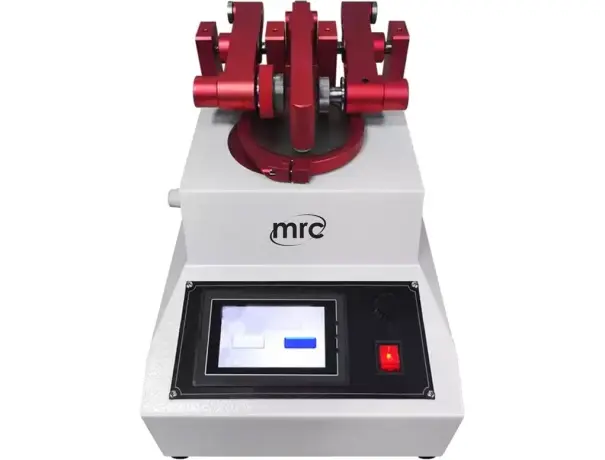
Abrasion testing is a crucial process used to evaluate the wear resistance of various materials. Compliance with internationally recognized standards ensures that the test results are accurate, reliable, and comparable across industries.
What is abrasive testing?
Abrasion testing measures a material's resistance to wear due to mechanical action, such as rubbing or scraping. This test is commonly used in industries like automotive, textiles, construction, and coatings.
Why Compliance with Standards Matters
Standardized testing methods provide consistency, ensuring that materials meet industry and regulatory requirements. Compliance also enhances product quality and durability.
Overview of Common Abrasion Testing Standards
Several organizations set abrasion testing standards, including ASTM (American Society for Testing and Materials), ISO (International Organization for Standardization), and DIN (Deutsches Institut für Normung).
ASTM Standards for Abrasion Testing
- ASTM D4060: Used for evaluating the abrasion resistance of organic coatings using the Taber Abraser.
- ASTM D1044: Focuses on transparent plastics' wear resistance.
- ASTM D3389: Applicable to coated fabrics, testing their durability.
ISO Standards for Abrasion Testing
- ISO 5470-1: Covers rubber and plastics, using a rotating drum abrasion test.
- ISO 12947: Specifies methods for textiles using the Martindale Abrasion tester.
- ISO 17076: Focuses on leather materials and their resistance to wear.
DIN Standards for Abrasion Testing
- DIN 53516: Determines the abrasion resistance of rubber and elastomers.
- DIN 53109: Used for testing the abrasion resistance of paper and board materials.
Comparing ASTM, ISO, and DIN Standards
While ASTM, ISO, and DIN standards share similar objectives, they vary in test methodologies, equipment specifications, and material applications. Choosing the right standard depends on industry requirements and regional compliance needs.
Industry-Specific Applications of Abrasion Testing
- Automotive: Tests coatings, upholstery, and rubber components.
- Textile and Fabric: Ensures fabric durability in clothing and upholstery.
- Construction and Coatings: Evaluates paint, flooring, and protective coatings.
How to Choose the Right Abrasion Testing Standard
Factors such as material type, industry regulations, and customer specifications influence the selection of the appropriate abrasion testing standard.