Understanding the Kjeldahl Method
Historical Background
The Kjeldahl Method, developed by Danish chemist Johan Kjeldahl in the late 19th century, laid the foundation for nitrogen determination in organic compounds. Initially used for agricultural purposes, the method's versatility soon found applications in diverse fields.
Principles of the Kjeldahl Method
The core principle involves converting organic nitrogen into ammonia, followed by distillation and titration to quantify the nitrogen content accurately. This method's reliability has made it a gold standard in laboratories globally.
Key Components Involved
The success of the Kjeldahl Method hinges on precise measurements and meticulous procedures. Reagents, digestion apparatus, and careful temperature control are crucial components ensuring accurate results.
Kjeldahl Analyzer: A Technological Marvel
Evolution of Kjeldahl Analyzers
From manual processes to automated systems, the evolution of Kjeldahl Analyzers has been remarkable. Modern analyzers offer efficiency, accuracy, and user-friendly interfaces, reducing the burden on laboratory staff.
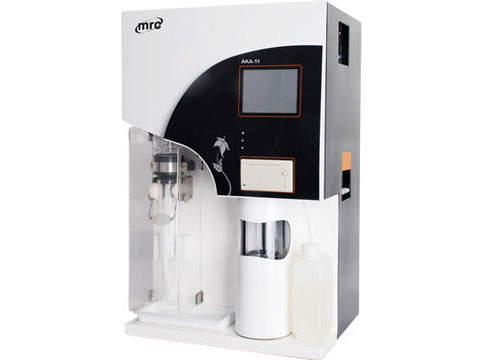
How Kjeldahl Analyzers Simplify the Analysis Process
Automation in Kjeldahl Analyzers minimizes human error, speeds up analysis, and provides consistent results. This simplification has elevated the method's appeal across diverse industries.
Advantages Over Traditional Methods
Compared to traditional nitrogen determination methods, Kjeldahl Analyzers offer quicker turnaround times, higher precision, and improved safety measures. Laboratories are increasingly adopting these analyzers for enhanced efficiency.
Applications of the Kjeldahl Method
Wide Range of Industries
The Kjeldahl Method finds applications in agriculture, pharmaceuticals, and petrochemicals, demonstrating its adaptability across various sectors. Its versatility makes it an invaluable tool for laboratories with diverse analytical needs.
Specific Applications in Food and Environmental Analysis
In the food industry, Kjeldahl analysis ensures compliance with nutritional labeling standards and verifies the quality of raw materials. Environmental analysis employs the method to monitor nitrogen levels in water and soil, contributing to sustainable resource management.
Step-by-Step Guide to Using Kjeldahl Analyzers
Preparation of Samples
Sample preparation is a critical step in Kjeldahl analysis. Properly homogenized samples ensure accurate and reproducible results.
Setting Up the Kjeldahl Analyzer
Modern analyzers come with intuitive interfaces, but proper setup remains essential. Calibration, choice of reagents, and system checks guarantee reliable outcomes.
Interpretation of Results
Understanding the significance of obtained values and their implications is crucial. Skilled analysts play a key role in the accurate interpretation of Kjeldahl analysis results.
Significance in Food Industry
Ensuring Food Safety through Nitrogen Determination
In the food industry, where accurate nutritional information is paramount, Kjeldahl analysis plays a vital role in determining protein content. This ensures compliance with regulatory standards and builds consumer trust.
Compliance with Regulatory Standards
Stringent regulations govern the food industry, and Kjeldahl analysis aids in adhering to these standards. Precise nitrogen determination helps food manufacturers meet labeling requirements and maintain product quality.
Environmental Analysis with Kjeldahl Method
Monitoring Nitrogen Levels in Water and Soil
Environmental sustainability is a global concern, and the Kjeldahl Method contributes by monitoring nitrogen levels in water bodies and soil. This aids in preventing pollution and promoting responsible resource management.
Contributing to Environmental Sustainability
As laboratories focus on green practices, the Kjeldahl Method emerges as a tool for sustainable environmental analysis. Accurate determination of nitrogen levels aids in developing effective conservation strategies.