In this article, we'll delve into the various materials suitable for laboratory fume hoods, their characteristics, and considerations for choosing the right one for your laboratory needs.
importance of Choosing Suitable Materials
Selecting the appropriate materials for a laboratory fume hood is paramount for several reasons. Firstly, the materials must be resistant to the chemicals and substances being used in the laboratory to prevent corrosion or degradation. Secondly, they should be durable to withstand daily wear and tear, ensuring the longevity of the fume hood. Additionally, ease of cleaning and maintenance is essential to uphold laboratory hygiene standards. Lastly, the materials should possess fire resistance properties to minimize the risk of fire hazards in the laboratory environment.
Factors Influencing Material Selection
Chemical Resistance
One of the primary considerations when choosing materials for a laboratory fume hood is their resistance to various chemicals. Different experiments may involve acids, bases, solvents, or corrosive gases, necessitating materials that can withstand exposure to these substances without deteriorating.
Durability
The durability of fume hood materials is crucial for withstanding the rigors of daily laboratory operations. Materials should be robust enough to endure frequent use, cleaning, and potential impacts without compromising their structural integrity.
Cleanability
Maintaining a clean and sterile laboratory environment is essential for preventing contamination and ensuring accurate experimental results. Therefore, fume hood materials should be easy to clean and disinfect to remove any traces of chemical residues or contaminants.
Fire Resistance
Given the potential hazards associated with laboratory experiments, especially those involving flammable substances, fume hood materials should possess adequate fire resistance properties. This helps to minimize the risk of fire outbreaks and ensures the safety of laboratory personnel.
Common Materials Used in Laboratory Fume Hoods
Several materials are commonly used in the construction, each offering distinct advantages and disadvantages.
Stainless Steel
Stainless steel is a popular choice for laboratory fume hoods due to its exceptional chemical resistance, durability, and ease of cleaning. It is highly resistant to corrosion from most chemicals, making it suitable for a wide range of laboratory applications. Additionally, stainless steel has a smooth surface that is easy to clean and maintain, contributing to a sterile laboratory environment. However, it can be relatively expensive compared to other materials.
Polypropylene
Polypropylene is a thermoplastic polymer known for its excellent chemical resistance and affordability. It is highly resistant to a wide range of acids, bases, and solvents, making it ideal for laboratories handling corrosive substances. Polypropylene fume hoods are lightweight, easy to install, and require minimal maintenance. However, they may not be as durable as stainless steel and can be prone to scratching.
Epoxy Resin
Epoxy resin fume hoods offer superior chemical resistance and durability, making them suitable for demanding laboratory environments. They are highly resistant to corrosion, heat, and impact, ensuring long-term reliability. Epoxy resin surfaces are non-porous and easy to clean, making them ideal for maintaining laboratory hygiene standards. However, epoxy resin fume hoods can be more expensive than other options.
Tempered Glass
Tempered glass fume hoods provide a transparent barrier for observing experiments while offering good chemical resistance and durability. They are suitable for laboratories where visibility is essential and can withstand exposure to most chemicals. Tempered glass fume hoods are easy to clean and maintain, contributing to a clear and sterile laboratory environment. However, they may not be as resistant to heat or impact as other materials.
Advantages and Disadvantages of Each Material
Stainless Steel:
- Advantages: Excellent chemical resistance, durability, and ease of cleaning.
- Disadvantages: Higher cost compared to other materials.
Polypropylene:
- Advantages: Affordability, excellent chemical resistance, and lightweight.
- Disadvantages: May not be as durable as stainless steel, prone to scratching.
Epoxy Resin:
- Advantages: Superior chemical resistance, durability, and heat resistance.
- Disadvantages: Higher cost compared to other materials.
Tempered Glass:
- Advantages: Transparency, good chemical resistance, and ease of cleaning.
- Disadvantages: Less heat and impact resistance compared to other materials.
Considerations for Specific Laboratory Requirements
When selecting materials, it's essential to consider specific requirements based on the nature of the experiments conducted in the laboratory.
Corrosive Chemicals
Laboratories handling corrosive chemicals such as acids and bases require materials with high chemical resistance to prevent corrosion and deterioration of.
Heat Resistance
Experiments involving high temperatures or heat-producing equipment necessitate materials that can withstand elevated temperatures without warping or melting.
Static Control
In environments where electrostatic discharge poses a risk, materials with anti-static properties should be considered to prevent static buildup and potential hazards.
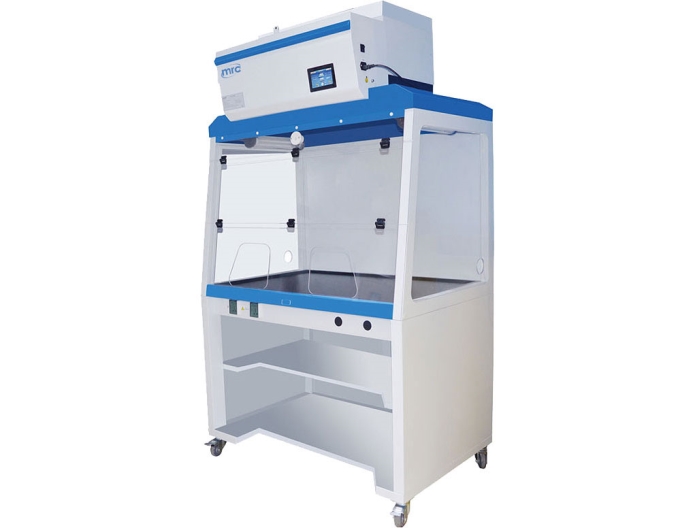
Choosing the Best Laboratory Fume Hood Materials for Chemical Resistance
When choosing laboratory fume hood materials, it is important to match the construction material not only to the chemicals used, but also to the daily workflow, cleaning frequency, and long-term safety requirements of the laboratory. For example, a chemical fume hood used with strong acids, corrosive vapors, or aggressive solvents may require polypropylene fume hoods, stainless steel fume hoods, or chemically resistant liners, while general research laboratories may prefer durable and easy-to-clean surfaces that support routine maintenance. Selecting the right fume cupboard material, lab fume hood construction, and chemical resistant fume hood design helps improve operator safety, reduce corrosion, extend equipment lifespan, and ensure reliable performance in analytical, pharmaceutical, educational, industrial, and research laboratories.