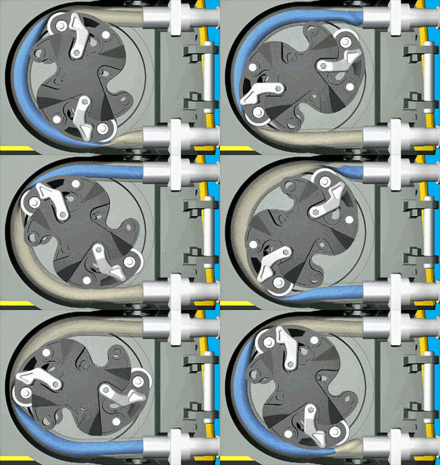
Pump tubing is a flexible conduit used in peristaltic pumps and other pumping systems to transfer liquids. It is essential for applications that demand precision and cleanliness, such as pharmaceutical manufacturing and chemical processing.
Why Does Chemical Compatibility Matter?
Chemical compatibility ensures the tubing material doesn’t degrade when exposed to specific chemicals. Incompatible materials can lead to contamination, leaks, or even catastrophic failures in critical systems.
Key Properties to Consider in Pump Tubing Materials
- Durability and Flexibility: The tubing must withstand mechanical stress and maintain flexibility over time.
- Resistance to Chemicals: A material's ability to resist degradation when exposed to harsh chemicals is crucial.
- Temperature Tolerance: Some processes involve extreme temperatures, requiring heat-resistant tubing.
Common Pump Tubing Materials
- Natural Rubber
- Silicone
- Polyvinyl Chloride (PVC)
- Thermoplastic Elastomers (TPE)
- Fluoropolymers (PTFE, FEP, PFA)
- Viton® (Fluoroelastomer)
Detailed Analysis of Each Material
Natural Rubber
- Properties: Excellent elasticity and flexibility.
- Applications: Low-cost applications requiring moderate chemical resistance.
- Drawbacks: Poor resistance to oils and strong acids.
Silicone
- Benefits: Biocompatible, temperature resistant (-50°C to 200°C).
- Ideal Uses: Medical, pharmaceutical, and food industries.
- Limitations: Vulnerable to strong acids and bases.
PVC
- Advantages: Affordable, flexible, and widely available.
- Limitations: Limited chemical resistance, not ideal for high temperatures.
TPE
- Key Characteristics: Combines the flexibility of rubber with the durability of plastics.
- Industries: Automotive, food processing, and medical fields.
Fluoropolymers
- Examples: PTFE, FEP, and PFA.
- Strengths: Outstanding chemical resistance and heat tolerance.
- Applications: Aggressive chemical environments, such as in labs or factories.
Viton®
- Unique Features: Exceptional resistance to heat, oils, and chemicals.
- Best Uses: High-performance industrial applications.
Impact of Tubing Material on Chemical Compatibility
Every material reacts differently to specific chemicals. For instance:
- Silicone handles most acids but struggles with oils.
- Fluoropolymers are nearly universal in their resistance but come at a premium cost.
How to Choose the Right Pump Tubing Material
- Analyze the Fluid: What are its chemical properties? Is it acidic, basic, or neutral?
- Environmental Factors: Will the tubing face high temperatures or UV exposure?
- Operational Needs: Is flexibility or rigidity more important?
Tips for Maintaining Chemical Compatibility
- Proper Storage: Store tubing in a cool, dry place.
- Inspect Regularly: Check for signs of wear or chemical attack.
- Avoid Cross-Contamination: Use dedicated tubing for different chemicals.
Visit our peristaltic pumps page