Water potential is an essential concept in understanding plant physiology, and it refers to the measurement of the potential energy that water molecules have in a system. It's a complex concept that has many factors contributing to it, but it's important to understand for anyone interested in plant biology, agriculture, or horticulture. One tool that has been developed to measure water potential in plants is the pressure chamber. In this article, we'll explore what water potential is, how it's measured, and the benefits and limitations of using pressure chambers to measure it.
What is Water Potential?
Water potential is the measure of the potential energy that water molecules have in a system, and it's typically measured in units of pressure (such as kilopascals or megapascals). It's affected by many different factors, including the amount of water present in the system, the concentration of solutes, and the pressure exerted on the system. The water potential of a system determines the direction that water will move, with water moving from areas of higher potential to areas of lower potential.

How is Water Potential Measured?
There are several different methods for measuring water potential, including the pressure chamber, tensiometers, and thermocouple psychrometers. The pressure chamber, also known as the pressure bomb or pressure chamber apparatus, is a tool that's commonly used in agriculture and horticulture to measure water potential in plant tissues.
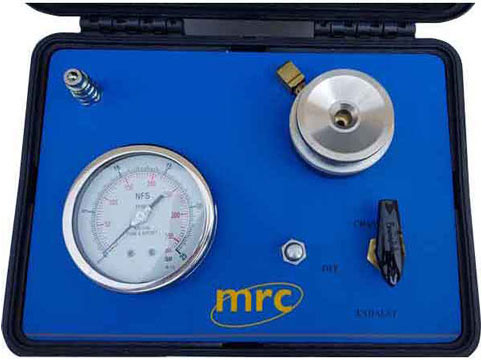
The pressure chamber works by placing a leaf or stem sample into a sealed chamber and increasing the pressure inside the chamber until water starts to appear on the surface of the sample. The pressure at which this occurs is then measured and used to calculate the water potential of the sample.
Benefits and Limitations of Pressure Chambers
One of the benefits of using pressure chambers to measure water potential is that they provide a direct measurement of the water potential in plant tissues, which can be useful for determining when plants need to be watered or irrigated. However, there are also some limitations to using pressure chambers. For example, the method requires that the sample be freshly harvested, which can be challenging in some settings. Additionally, the method can be time-consuming and requires some technical expertise to perform accurately.
Application
Water potential has several important applications in plant biology, agriculture, and horticulture. Here are some examples:
- Irrigation Management: Understanding the water potential of the soil and the plant can help determine when and how much water to apply to a crop. If the water potential of the soil is too low, the plant may not have enough water to support its growth and development, leading to yield losses. On the other hand, if the water potential is too high, it can lead to waterlogging and other problems.
- Plant Physiology Research: It can help researchers better understand how water moves through plant tissues and how different factors, such as drought stress or salinity, affect the plant's water status. This knowledge can be used to develop new crop varieties that are more resilient to water stress.
- Quality Control in Food Processing: Used to determine the quality of fruits and vegetables. For example, fruits and vegetables with high water potential tend to have a shorter shelf life and are more susceptible to spoilage. By measuring the water potential of these products, food processors can make informed decisions about storage and transportation to minimize spoilage and waste.
- Environmental Monitoring: Monitoring the water potential of soil and plant tissues can help assess the health of ecosystems and identify areas where water stress may be a problem. This information can be used to guide conservation efforts and water management strategies.