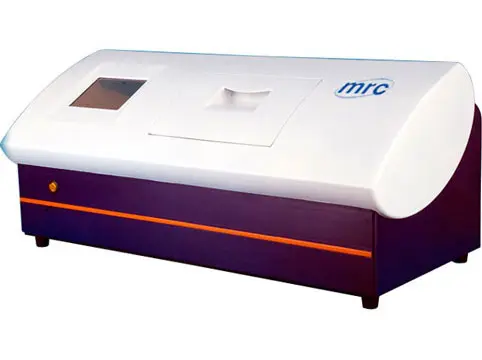
An automatic polarimeter is a precision instrument that measures the rotation of polarized light as it passes through optically active substances. It eliminates manual adjustments, increasing accuracy and efficiency. These devices are widely used in:
- Pharmaceutical testing
- Food and beverage quality control (e.g., sugar analysis)
- Chemical and material research
Factors Influencing Maximum Sample Volume
1. Sample Cell Size and Type
The sample cell (or tube) holds the liquid to be measured. The volume capacity of a polarimeter depends on the design of these cells:
- Standard sample tubes: Typically hold between 1 mL and 10 mL
- Large-volume sample cells: Some models can accommodate up to 50 mL
- Microvolume cells: Designed for as little as 0.1 mL of sample
2. Instrument Design and Capabilities
Automatic polarimeters vary in design, influencing how much sample they can process:
- Compact benchtop models: Generally handle small to medium sample volumes
- Industrial-grade systems: Can process large volumes up to 50 mL for bulk analysis
- Microvolume polarimeters: Specialized for minimal sample consumption
3. Viscosity and Sample Composition
Highly viscous samples require different handling considerations:
- Low-viscosity liquids (e.g., sugar solutions) flow easily into standard sample cells
- High-viscosity liquids (e.g., oils, syrups) may require wider path length cells
Typical Sample Volume Ranges for Automatic Polarimeters
1. Standard Laboratory Polarimeters
Most laboratory polarimeters handle 1 mL to 10 mL samples, suitable for routine pharmaceutical and chemical analysis.
2. High-Capacity Polarimeters
Certain advanced polarimeters can measure up to 50 mL, used in industries like sugar production.
3. Microvolume Polarimeters
For expensive or limited samples, specialized polarimeters handle as little as 0.1 mL, common in pharmaceutical testing.
Choosing the Right Sample Volume for Accuracy
1. Impact of Volume on Measurement Accuracy
- Larger sample volumes reduce measurement noise but require more sample
- Smaller volumes minimize waste but may increase sensitivity to impurities
2. Effect of Path Length on Results
- Shorter path lengths (~10 mm) require smaller volumes
- Longer path lengths (up to 200 mm) need larger volumes
3. Minimizing Sample Wastage
- Use microvolume cells for costly substances
- Opt for efficient filling techniques to avoid air bubbles
Industry-Specific Considerations
1. Pharmaceutical Industry
- Focus on microvolumes for precise drug formulation testing
2. Food and Beverage Industry
- Large-volume polarimeters used in sugar content analysis
3. Chemical Research
- Different solvents require varying sample volumes based on optical properties
Tips for Optimizing Sample Volume Usage
- Select a polarimeter that fits your sample volume needs
- Use proper cleaning techniques to avoid cross-contamination
- Ensure sample consistency for accurate measurements