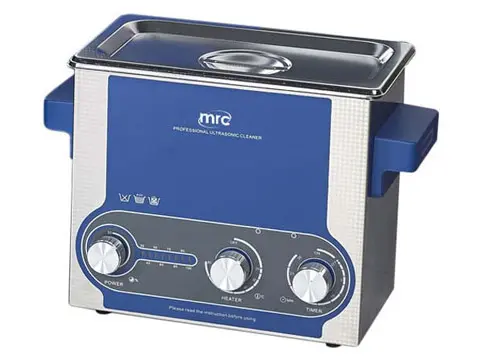
A sonication bath is a laboratory device that uses high-frequency sound waves to agitate particles in a liquid. This agitation enables cleaning, mixing, extraction, and even cell disruption without direct mechanical contact.
How Ultrasonic Waves Work
The system generates ultrasonic waves, typically in the range of 20 to 40 kHz. These waves travel through the liquid medium, creating alternating high and low pressure cycles.
This rapid pressure change is what makes sonication powerful and efficient.
How Does a Sonication Bath Work?
Cavitation Explained
At the core of sonication lies a phenomenon called cavitation. When ultrasonic waves pass through a liquid, they create microscopic bubbles.
Formation and Collapse of Microbubbles
These bubbles grow during low-pressure cycles and violently collapse during high-pressure cycles. When they implode, they release energy in the form of shockwaves.
Energy Transfer to Samples
This energy breaks apart particles, cleans surfaces, and accelerates chemical reactions. It is like millions of tiny explosions happening at a microscopic level.
Key Components of a Sonication Bath
Ultrasonic Transducers
Transducers convert electrical energy into ultrasonic vibrations. They are usually attached to the bottom of the bath.
Tank and Chamber
The tank holds the liquid and samples. Stainless steel is commonly used because of its durability and resistance to chemicals.
Control Panel and Settings
Modern systems include digital displays to control time, temperature, and power.
Heating Function
Many sonication baths include heating elements to improve efficiency, especially for cleaning applications.
Applications of Sonication Baths
Laboratory Sample Preparation
Sonication helps dissolve solids, degas liquids, and disperse particles. It is widely used in chemistry and biology labs.
Cleaning Laboratory Equipment
It effectively removes contaminants from glassware, instruments, and delicate components without damage.
Nanotechnology and Material Science
Sonication is used to disperse nanoparticles and break agglomerates.
Pharmaceutical and Biotechnology Use
It assists in drug formulation, sample extraction, and cell lysis.
Food and Environmental Analysis
Used for extracting compounds and preparing environmental samples.
Advantages of Using a Sonication Bath
Non-Destructive Cleaning
Unlike mechanical methods, sonication does not scratch or damage surfaces.
Uniform Energy Distribution
The entire sample is exposed to ultrasonic waves evenly.
Time Efficiency
Processes that normally take hours can be completed in minutes.
Ease of Use
Just set the parameters and let the system work.
How to Use a Sonication Bath Step-by-Step
Preparing the Bath
Fill the tank with water or solvent to the recommended level.
Loading Samples
Place samples in appropriate containers. Avoid direct contact with the tank.
Setting Parameters
Adjust time, temperature, and frequency based on your application.
Monitoring the Process
Check periodically to avoid overheating or sample degradation.