The melting point of a substance is a fundamental characteristic used for identification, quality control, and purity assessment. It provides valuable insights into the molecular structure and intermolecular forces present within the material.
What is a Melting Point Apparatus?
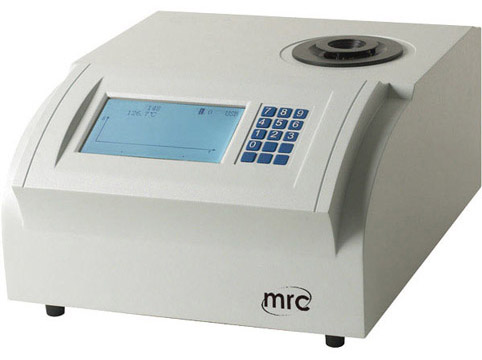
A melting point apparatus is a specialized scientific instrument designed to measure the temperature at which a solid substance transforms into a liquid state. This tool plays a crucial role in various research and industrial applications where knowing the melting point is essential.
Working Principle of Melting Point Apparatus
The apparatus functions on the principle that a pure compound transitions from a solid to liquid state over a narrow temperature range. The temperature at which this transition occurs is recorded as the melting point.

Importance of Accurate Melting Point Determination
Accurate melting point determination is crucial for ensuring the quality and purity of substances. It aids in identifying potential impurities or deviations from expected molecular structures.
Applications in Various Industries
Pharmaceutical Industry
In drug development, the melting point helps assess the purity of active pharmaceutical ingredients, ensuring the safety and efficacy of medications.
Chemistry Research
Chemists utilize melting point data to characterize and synthesize compounds, enabling advancements in various chemical applications.
Material Science
Melting point analysis aids in understanding material properties, assisting in the development of new materials for diverse industries.
Factors Affecting Melting Point Measurements
Various factors, including pressure, impurities, and sample size, can influence melting point measurements, underscoring the need for controlled conditions.
Advantages of Automated Melting Point Apparatus
Automated apparatus offer increased accuracy, reproducibility, and efficiency compared to manual methods, enhancing research and industrial processes.
How does a melting point apparatus determine the melting point of a substance
The basic principle behind a melting point apparatus involves carefully heating a small amount of the substance at a controlled rate while monitoring its temperature. Here's how the process works:
- Sample Preparation: A small amount of the substance whose melting point needs to be determined is placed in a small capillary tube. The substance is usually finely powdered or crystalline in nature.
- Insertion of Capillary Tube: The capillary tube with the sample is placed inside the melting point apparatus. The tube is usually positioned in such a way that the sample is observed through a magnifying lens or a digital camera.
- Heating: The apparatus is equipped with a heating element, often an electrical coil or a hot plate. The heating rate can be controlled, ensuring a gradual increase in temperature. This slow heating allows for precise determination of the melting point.
- Observation: As the temperature of the apparatus increases, the substance in the capillary tube starts to heat up. At a certain temperature, the substance begins to melt, transitioning from a solid to a liquid state. This is observed through changes in the appearance of the substance, such as the formation of a liquid phase, changes in color, or the disappearance of distinct crystalline structures.
- Recording the Melting Point: The temperature at which the substance completely transforms from solid to liquid is noted as the melting point. It's important to note that pure substances have a specific and sharp melting point, meaning they transition from solid to liquid over a narrow temperature range. Impurities or mixtures tend to lower and broaden the melting point range.
- Cooling and Cleaning: After the melting point has been recorded, the apparatus is allowed to cool down. Any remaining substance in the capillary tube can be removed and cleaned for the next measurement.
- Repetition: To ensure accuracy, the process may be repeated multiple times using fresh samples of the substance.