Cell culture equipment includes anything you use to maintain, grow, or examine cells in a controlled environment. This covers a wide range of devices—from CO₂ incubators and biosafety cabinets to microscopes, centrifuges, and pipettes.
Core Elements of Cell Culture Equipment
CO₂ Incubators
These are the heart of any cell culture equipment lab. They provide the optimal environment for cell growth.
Temperature and CO₂ Regulation
Your cells need stability. Even minor fluctuations in temperature or CO₂ can stress them out and affect their growth. A good incubator should maintain:
- 37°C with ±0.1°C accuracy
- CO₂ levels around 5%
Humidity Control
Dry air equals evaporating media, which equals dead cells. Humidity control prevents evaporation and keeps osmotic pressure stable.
Biosafety Cabinets
This is where the magic (and safety) happens. You need a clean and safe working space.
Sterility and Airflow Standards
HEPA-filtered airflow and laminar flow design prevent contamination. Look for Class II Type A2 or B2 cabinets depending on your risk level.
Operator Safety
The cabinet should protect you just as much as your samples. Ergonomic design and solid airflow barriers matter.
Water Baths
Simple, right? But still easy to overlook.
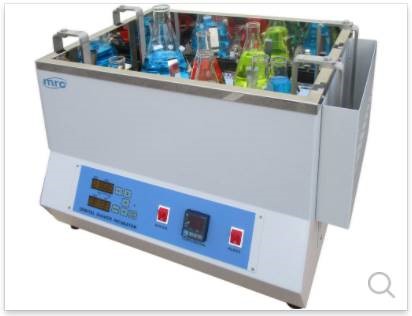
Accurate Temperature Control
Perfect for warming reagents or thawing samples—just make sure it doesn’t fluctuate more than ±0.2°C.
Maintenance and Cleaning
Algae and bacteria love water baths. Choose a unit that’s easy to clean and has antimicrobial coatings.
Microscopes
You’re not just peeking through lenses—you’re monitoring cell health and behavior.
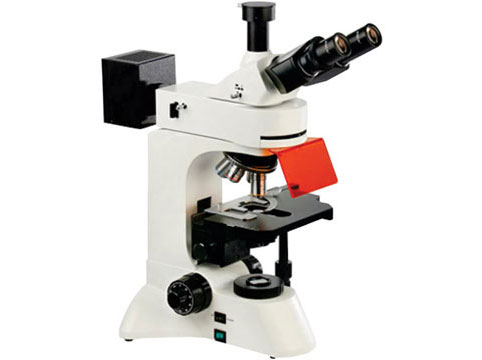
Types Used in Cell Culture
- Inverted microscopes are ideal for cell culture.
- Phase contrast is a bonus.
Key Features to Look For
Adjustable stage, digital imaging, and long working distances are essential for comfort and accuracy.
Sterility – The Non-Negotiable Factor
Contamination is the silent killer in cell culture. Whether it’s bacterial, fungal, or cross-contamination from other lines, the results are the same: wasted time and skewed data. Look for:
- Seamless surfaces for easy disinfection
- HEPA filters and UV sterilization options
- Autoclavable components
Material Quality and Compatibility
Materials must be chemical-resistant, autoclavable, and non-toxic to cells. Stainless steel interiors, polycarbonate lids, and medical-grade plastics are good indicators of high quality.
Calibration and Accuracy
Even small deviations in temperature, humidity, or gas levels can change how cells behave.
- Regular calibration is a must (weekly or monthly depending on use)
- Equipment should come with built-in calibration features or external probe compatibility
Ease of Use and Ergonomics
Scientists are human too. If a unit is hard to operate or strains your posture, your productivity drops. Choose equipment with:
- Intuitive controls
- Adjustable height or tilt angles
- Minimal manual steps for operation
Monitoring and Alarms
Tech should work with you. Good systems will alert you before a problem becomes a disaster.
- Temperature, humidity, and CO₂ alarms
- Battery backup or auto-correct mechanisms
- Remote notification options
Smart and Connected Equipment
In modern labs, digital integration isn't optional—it's expected.
- Data logging helps in audits and troubleshooting
- Remote access allows you to monitor conditions on the go
- Connectivity with LIMS (Lab Information Management Systems)
Energy Efficiency and Sustainability
Eco-friendly equipment is becoming standard—and it’s not just about the planet.
- Low-energy components reduce operational costs
- Some models offer Energy Star certification or equivalents