A pipette is a laboratory tool used to transport a measured volume of liquid. Essentially, it's a precision instrument designed for transferring liquid substances from one container to another, ensuring exact measurements. Historically, pipettes have evolved from simple glass tubes to sophisticated electronic devices, each iteration improving accuracy and ease of use.
Types of Pipettes
Volumetric Pipettes
Volumetric pipettes are designed to deliver one specific volume accurately. They are commonly used in analytical chemistry to prepare solutions with precise concentrations.
Graduated Pipettes
Graduated pipettes, also known as measuring pipettes, have a series of graduations, allowing for the measurement of various volumes. They are versatile and used for different applications requiring less precision than volumetric pipettes.
Micropipettes
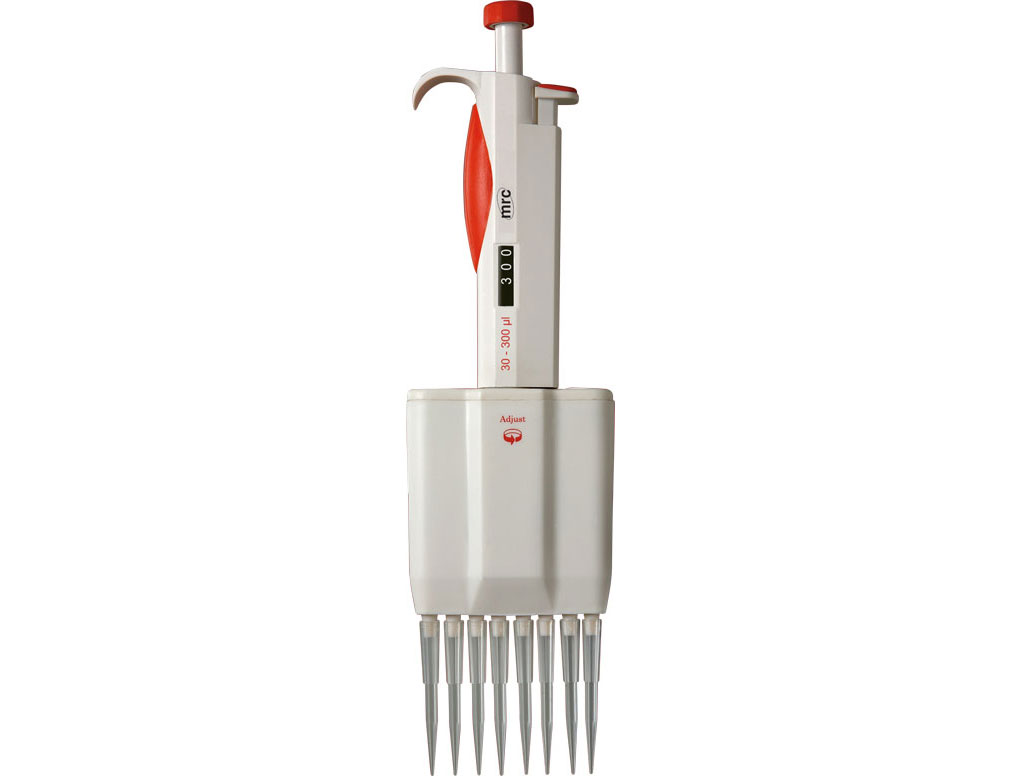
Micropipettes are essential in molecular biology and medical labs, allowing for the handling of very small liquid volumes with high precision.
Manual Micropipettes
These are operated by hand and are adjustable to set different volumes.
Electronic Micropipettes
These offer more precision and ease of use by incorporating electronic controls for volume setting and dispensing.
Components of a Pipette
Understanding the components of a pipette can help in its effective use and maintenance.
Pipette Body
This is the main part of the pipette that houses the mechanism for liquid measurement and dispensing.
Pipette Tip
The detachable part that comes into direct contact with the liquid. Tips can be disposable or reusable, depending on the application.
Mechanism of Action
Pipettes work on the principle of creating a vacuum to draw and release liquid. Manual pipettes use a plunger mechanism, while electronic pipettes use motor-driven pistons.
How to Use a Pipette
Step-by-Step Guide for Volumetric Pipettes
- Prepare the Pipette: Ensure it's clean and calibrated.
- Draw the Liquid: Submerge the tip in the liquid and use the plunger to draw it up to the marked volume.
- Dispense the Liquid: Release the liquid slowly into the target container.
Step-by-Step Guide for Micropipettes
- Set the Volume: Adjust the dial to the desired volume.
- Attach the Tip: Secure a clean tip to the pipette.
- Draw the Liquid: Press the plunger to the first stop, immerse the tip in the liquid, and release the plunger.
- Dispense the Liquid: Press the plunger to the second stop to dispense the liquid completely.
Calibration and Maintenance
Calibration ensures the pipette delivers accurate volumes. Regular calibration and maintenance are essential for reliable performance.
Importance of Calibration
Calibration adjusts the pipette to correct any deviations in volume measurement, ensuring precision.
Maintenance Tips
- Clean regularly to prevent contamination.
- Check for leaks and replace damaged parts.
- Store properly to avoid damage.
Applications of Pipettes
In Laboratories
Pipettes are ubiquitous in chemical, biological, and medical labs for experiments and solution preparations.
In Medical Field
Used in diagnostic tests, including blood tests and molecular diagnostics.
In Research and Development
Critical in drug development, genetic research, and other innovative fields.
Advantages of Using Pipettes
Precision and Accuracy
Pipettes allow for precise measurement of liquids, crucial for experiments and tests.
Versatility
With various types available, pipettes can handle a wide range of volumes and applications.
Choosing the Right Pipette
Factors to Consider
- Volume range
- Application requirements
- Precision and accuracy needs