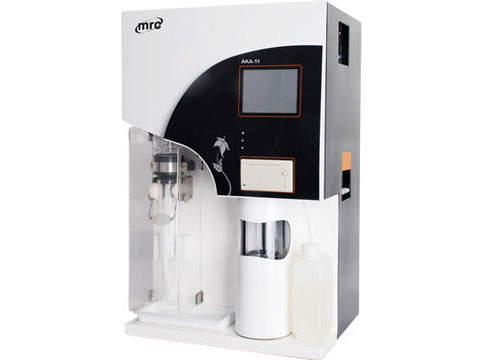
You’ve probably heard of the term “Kjeldahl Digestion” in the context of laboratory testing, especially when talking about proteins or nitrogen content in samples.
What is the Kjeldahl Method?
The Kjeldahl method is a widely used chemical process for determining the nitrogen content in organic and inorganic substances. It’s been a go-to technique in laboratories for over a century, mainly because it delivers accurate and reliable results.
Why is Nitrogen Analysis Important?
Nitrogen is essential in many industries—it’s a key indicator of protein content in food and animal feed, and it’s critical in soil and fertilizer analysis for agriculture. In short, if you're dealing with biological or chemical samples, understanding nitrogen levels is often crucial.
Components of a Kjeldahl Digestion Unit
A Kjeldahl digestion unit is more than just a fancy heating system. Let’s explore what it’s made of:
Digestion Block or Heater
This is where the magic starts. It’s a heating system designed to maintain consistent high temperatures (350–450°C) for breaking down organic material.
Digestion Tubes
These tubes, usually made of borosilicate glass, hold your samples during the digestion process.
Scrubber Systems
As sulfuric acid heats up, it releases harmful fumes. The scrubber neutralizes these, making the unit safer to use.
Reagent Additions (Acids and Catalysts)
Sulfuric acid is the main player, breaking down organic material. Catalysts like selenium, copper, or titanium dioxide speed things up.
How the Kjeldahl Digestion Unit Works
Step-by-Step Digestion Process
Sample Preparation
Start by weighing a specific amount of the sample—usually a few grams—and placing it in a digestion tube.
Acid Digestion
Add concentrated sulfuric acid. This breaks down organic material, converting nitrogen into ammonium sulfate.
Catalyst Function
A pinch of catalyst helps speed up the reaction and ensures complete digestion.
Cooling and Transfer
After digestion, the mixture is cooled and diluted with water to prepare it for distillation.
Conversion of Nitrogen to Ammonia
Through the digestion process, organic nitrogen is transformed into ammonia, which is later separated and quantified.
Post-Digestion Process
Distillation
The digested sample is made alkaline, which releases ammonia. This ammonia is distilled and captured in a receiving solution.
Titration
The captured ammonia reacts with a standard acid solution. The remaining acid is titrated to calculate the exact amount of nitrogen.
Calculating Nitrogen Content
Finally, you do some math based on the titration results to determine the percentage of nitrogen in the original sample.
Applications of Kjeldahl Digestion
Food and Beverage Industry
Used to measure protein content in meat, dairy, cereals, and more.
Agricultural and Soil Testing
Helps determine the nutrient value of fertilizers and soils.
Environmental Analysis
Monitors nitrogen pollution in water and air samples.
Pharmaceuticals and Research
Ensures quality and compliance in drug manufacturing and scientific studies.
Advantages of Using a Kjeldahl Digestion Unit
High Accuracy and Reliability
It’s considered a gold standard for a reason—results are highly reproducible.
Versatility Across Industries
From food to pharmaceuticals, it adapts easily.
Cost-Effective for Routine Analysis
Compared to high-tech instruments, it’s budget-friendly for most labs.