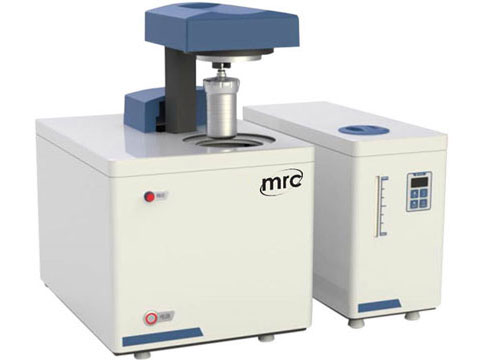
A calorimeter is a device used to measure the amount of heat released or absorbed in a chemical reaction. This helps scientists and engineers determine energy values in different substances.
Calorimeters function by isolating a system and measuring temperature changes as energy is transferred as heat.
What is a Bomb Calorimeter?
A bomb calorimeter is a specialized calorimeter designed to measure the heat of combustion of a sample in a high-pressure environment. It provides precise energy values for fuels, food, and chemicals.
Components of a Bomb Calorimeter
- Bomb (Combustion Chamber): Where the sample burns.
- Sample Holder: Holds the material being tested.
- Oxygen Supply: Ensures complete combustion.
- Water Jacket: Surrounds the bomb and absorbs heat.
Temperature Sensors: Measure heat changes.
How a Bomb Calorimeter Works
- The sample is placed in the combustion chamber.
- Oxygen is added under high pressure.
- The sample is ignited.
- The heat released is absorbed by the water jacket.
- The temperature change is recorded and used to calculate the heat of combustion.
Principle of Bomb Calorimetry
Based on the first law of thermodynamics, energy is conserved, meaning all heat released is transferred to the surrounding water. The heat energy is calculated using: Where:
- q = Heat energy
- C = Heat capacity of the system
- ΔT = Temperature change
Applications of Bomb Calorimeters
- Food Industry: Determines caloric content of food.
- Fuel Analysis: Measures energy output of fuels.
- Environmental Studies: Helps assess pollution impacts.
- Chemical Industry: Examines combustion properties of substances.
Advantages of Bomb Calorimeters
- High accuracy in energy measurement.
- Reliable results for combustion reactions.
- Suitable for both solid and liquid samples.