Surface tension is a crucial physical property of liquids that defines the elastic tendency of a fluid surface
What is a Surface Tension Meter?
A surface tension meter, also known as a tensiometer, is an analytical instrument designed to measure the surface tension of liquids. This device is pivotal in understanding how a liquid interacts with its surroundings, particularly in processes involving coatings, printing, and material sciences.
How Does a Surface Tension Meter Work?
Surface Analyzers operate based on various principles depending on their type. For instance, in a Wilhelmy plate tensiometer, the force exerted on a thin plate as it interacts with the liquid's surface provides a direct measurement of surface tension. In contrast, a contact angle tensiometer assesses how a liquid drop spreads on a solid surface, with the angle formed giving insights into the surface tension.
Key Components of a Surface Tension Meter
Regardless of the type, Surface Analyzers generally include:
- Sensor or Plate/Ring: Directly interacts with the liquid to measure force or angle.
- Measurement Unit: Converts the detected force or angle into surface tension values.
- Control Interface: Allows users to set parameters, calibrate the device, and read measurements.

Applications of Surface Tension Meters
Surface tension meters are versatile tools used in a wide array of industries and research fields. Let’s explore some of the key applications:
Industrial Applications
- Coatings and Paints Industry: Surface tension measurements help in optimizing the spreadability and adhesion of coatings and paints.
- Printing Industry: Ensuring ink spreads uniformly and adheres well to substrates is critical in printing, making surface tension meters indispensable.
- Cosmetics and Personal Care: Surface tension meters aid in formulating products like lotions and creams by controlling how they interact with skin and other surfaces.
Research and Development
- Material Science: Researchers use them to study and develop new materials with desired surface properties.
- Chemical Research: Understanding the behavior of liquids at the molecular level often requires precise surface tension measurements.
Quality Control
- Ensuring Product Consistency: Regular surface tension checks are vital in maintaining consistent product quality, especially in mass production.
- Role in Manufacturing Processes: They help fine-tune manufacturing processes, ensuring that each batch of product meets strict quality standards.
Benefits of Using a Surface Tension Meter
They offer numerous benefits that make them indispensable in both industrial and research settings:
- Enhanced Product Quality: Accurate surface tension measurements lead to better control over product formulations, resulting in higher quality products.
- Cost Efficiency: By ensuring optimal material usage and reducing waste, surface tension meters contribute to cost savings.
- Precision and Accuracy: Modern surface tension meters provide highly precise measurements, which are crucial for research and development as well as quality control.
Factors Affecting Surface Tension Measurements
Several factors can influence the accuracy of surface tension measurements:
- Temperature: Surface tension varies with temperature, making it critical to control or account for temperature variations during measurements.
- Purity of Liquids: Impurities in the liquid can alter its surface tension, leading to inaccurate readings.
- Environmental Factors: Humidity, air pressure, and other environmental factors can also affect measurements, necessitating controlled conditions for accurate results.
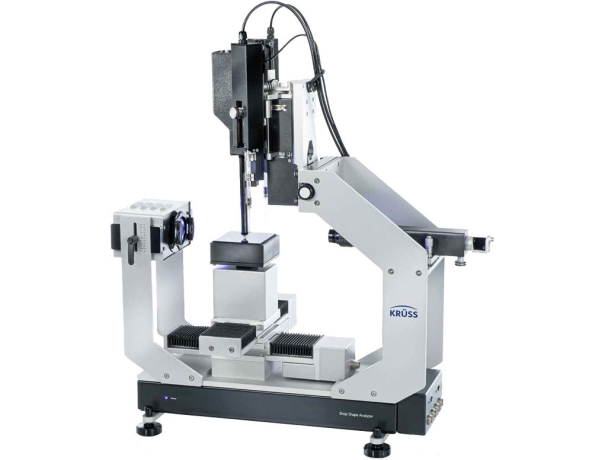
Choosing the Right Surface Tension Meter
Selecting the appropriate surface tension meter depends on several considerations:
- Application Needs: Different applications may require different types of meters (e.g., Wilhelmy Plate vs. Contact Angle).
- Measurement Range: Ensure the meter can handle the expected range of surface tension values.
- Ease of Use: Consider user interface, calibration needs, and overall ease of operation.
Maintenance and Calibration of Surface Tension Meters
To maintain accuracy and prolong the life of a surface tension meter, regular maintenance and calibration are essential.
Importance of Regular Maintenance
Regular cleaning and inspection of the sensor, plates, and rings are crucial to prevent contamination and ensure reliable readings.
How to Calibrate a Surface Tension Meter
Calibration involves using reference liquids with known surface tension values to adjust the meter's readings accordingly. This process should be done periodically to maintain accuracy.