A vacuum oven is a specialized piece of equipment designed for low-temperature drying, curing, and sterilization processes in a controlled environment. Unlike conventional ovens, these devices operate under reduced atmospheric pressure.
Laboratories across various industries, including pharmaceuticals, materials science, and food research, rely on vacuum ovens for their precision and efficiency in maintaining specific temperature and pressure conditions.
Working Principle of Vacuum Ovens
To comprehend the functioning of vacuum ovens, it's essential to understand the basics of vacuum technology. The removal of air from the oven creates a vacuum, altering the boiling points of substances inside and facilitating controlled processes.
Vacuum ovens employ a combination of heat and reduced pressure to achieve precise results. This unique approach allows for the elimination of moisture and volatile compounds without subjecting materials to high temperatures.
Applications in Laboratories
A. Drying and Curing Processes
One of the primary applications of vacuum ovens is in drying delicate materials, such as pharmaceutical products, at low temperatures. Additionally, these ovens are instrumental in the curing of substances that require controlled conditions.
B. Sterilization Applications
Laboratories involved in microbiology and medical research utilize vacuum ovens for effective sterilization of equipment and materials, ensuring a contamination-free environment.
Advantages of Vacuum Ovens
A. Precision and Control
The ability to precisely control temperature and pressure in a vacuum oven makes it a preferred choice for experiments that demand accuracy.
B. Reduction of Contamination Risks
The sealed environment created by vacuum ovens significantly reduces the risk of contamination, making them ideal for critical applications in pharmaceutical and biotechnology research.
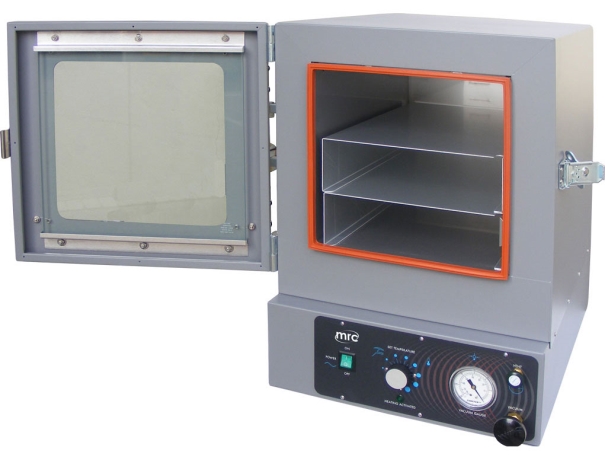
How Does a Vacuum Oven Differ from a Conventional Oven?
In contrast to conventional ovens, vacuum laboratory ovens operate under reduced pressure, allowing for controlled processes at lower temperatures.
What is the difference between a vacuum oven and a regular oven?
- Operating Environment:
- Vacuum Oven: Operates under reduced pressure or vacuum conditions. This means the air pressure inside the oven is lower than atmospheric pressure.
- Regular Oven: Operates at atmospheric pressure, similar to the normal air pressure in the surrounding environment.
- Temperature Control:
- Vacuum Oven: Often provides better temperature control, especially at lower temperatures. The reduced pressure can lead to more efficient heat transfer, allowing for precise temperature regulation.
- Regular Oven: May have less precise temperature control compared to a vacuum oven, especially at lower temperatures.
- Drying and Dehydration:
- Vacuum Oven: Ideal for processes like drying and dehydration at lower temperatures. The lower pressure accelerates the removal of moisture from materials.
- Regular Oven: Suitable for general baking, cooking, and heating applications but may not be as efficient as a vacuum oven for drying sensitive materials.
- Chemical Reactions:
- Vacuum Oven: Used in situations where the absence of air or specific atmospheric conditions is crucial, such as preventing oxidation or promoting certain chemical reactions.
- Regular Oven: Primarily used for cooking and general heating applications, not specifically designed for controlled atmospheres.
- Applications:
- Vacuum Oven: Commonly used in scientific and industrial applications, such as drying heat-sensitive materials, curing, and processing materials in a controlled environment.
- Regular Oven: Mainly used in households and commercial kitchens for baking, roasting, and general cooking.
What safety precautions should be taken when using a vacuum oven in a laboratory?
Using a vacuum oven in a laboratory requires careful attention to safety precautions to prevent accidents and ensure the well-being of laboratory personnel. Here are some key safety guidelines:
- Read and Follow the Manufacturer's Instructions:
- Familiarize yourself with the user manual provided by the manufacturer. Follow their guidelines and recommendations for safe operation.
- Training and Supervision:
- Ensure that personnel operating the vacuum oven are adequately trained in its use. Always have experienced individuals supervise those who are new to the equipment.
- Personal Protective Equipment (PPE):
- Wear appropriate PPE, such as heat-resistant gloves, safety goggles, and lab coats, to protect against potential hazards like hot surfaces and splattering substances.
- Ventilation:
- Use the vacuum oven in a well-ventilated area or under a fume hood to minimize exposure to any fumes or gases produced during operation.
- Check for Leaks:
- Regularly inspect the vacuum oven for any signs of leaks, wear, or damage. Ensure that all seals are intact to maintain the vacuum integrity.
- Emergency Shutdown Procedures:
- Familiarize yourself with emergency shutdown procedures. Know how to quickly and safely turn off the vacuum oven in case of an emergency.
- Temperature Control:
- Set and monitor the temperature carefully. Avoid exceeding the maximum temperature limit specified by the manufacturer to prevent damage to the equipment and potential fire hazards.
- Avoid Overloading:
- Do not overload the vacuum oven. Follow the manufacturer's recommendations for maximum load capacity to prevent uneven heating and potential equipment failure.
- Use Proper Containers:
- Use only containers and materials that are compatible with the vacuum oven. Some materials may release harmful fumes or react negatively under vacuum conditions.
- Regular Maintenance:
- Schedule regular maintenance checks to ensure the proper functioning of the vacuum oven. Address any issues promptly to prevent equipment failure or compromise in safety.
- Fire Safety:
- Have fire extinguishing equipment nearby and know how to use it. In case of a fire, immediately shut off the oven, activate the fire alarm, and follow the laboratory's emergency procedures.
- Record Keeping:
- Maintain a log of equipment usage, including start and stop times, temperatures, and any unusual observations. This documentation can be useful for troubleshooting and ensuring safe operation.