Tensiometers are instruments used to measure the tension or stress in materials, typically fluids or solids. They find applications across various fields, including:
Uses of Tensiometers
Geotechnical Engineering: They are used to measure the tension in soils, helping in the analysis of soil stability, slope stability, and foundation design.
Agriculture: In agriculture, tensiometers are employed to monitor soil moisture levels, aiding in irrigation management and optimizing water usage for crop growth.
Material Science: They are utilized to measure surface tension in liquids, which is crucial in understanding the behavior of materials like polymers, surfactants, and colloids.
Pharmaceuticals: In pharmaceutical manufacturing, tensiometers are used to measure the surface tension of liquid formulations, ensuring consistency and quality control in drug production.
Paper and Pulp Industry: Tensiometers help in monitoring and controlling the surface tension of liquid solutions used in papermaking processes, influencing factors like ink adhesion and print quality.
Chemical Engineering: Tensiometers play a role in studying the properties of liquids and interfaces, aiding in the design and optimization of processes like emulsification, foaming, and wetting.
Biomedical Research: Used to study the surface tension of biological fluids and tissues, contributing to research in areas such as lung function, cell biology, and biomaterials.
Oil and Gas Industry: Tensiometers find application in monitoring and controlling the surface tension of fluids used in drilling and extraction processes, helping to optimize efficiency and minimize environmental impact.
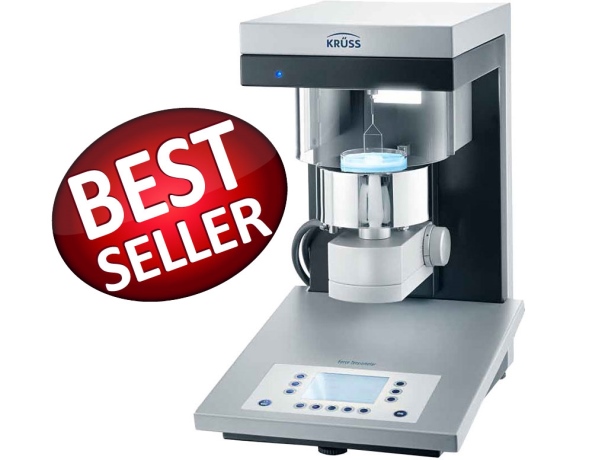
How to Choose the Right Tensiometer for Laboratory and Industrial Applications
Choosing the right tensiometer depends on the type of measurement, sample material, and industry requirements. In laboratories, research centers, agricultural facilities, pharmaceutical production, chemical manufacturing, coating development, and quality control departments, tensiometers are used for surface tension measurement, interfacial tension measurement, contact angle analysis, wetting behavior testing, surfactant evaluation, CMC measurement, and soil moisture monitoring. A professional surface tension meter, interfacial tension analyzer, force tensiometer, bubble pressure tensiometer, or soil tensiometer helps users improve formulation stability, irrigation control, cleaning efficiency, coating adhesion, ink performance, and material compatibility. For accurate and repeatable results, it is important to select a tensiometer according to the required measuring method, liquid or solid sample type, automation level, software capabilities, and international laboratory standards.