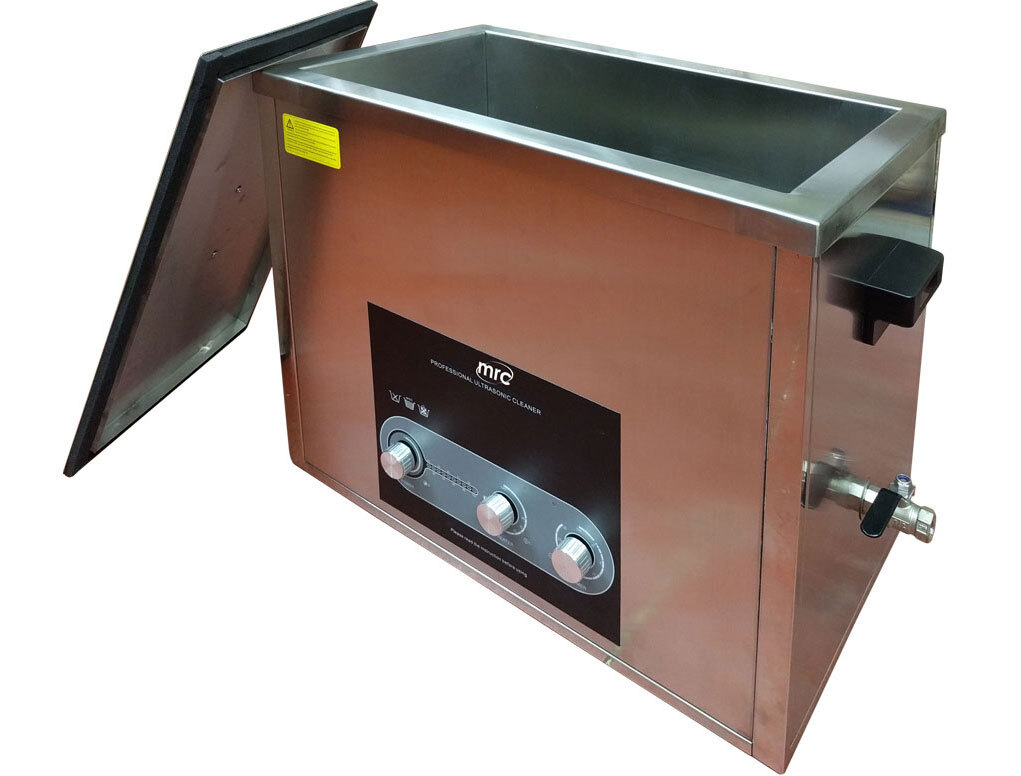
Ultrasonic cleaners are devices that use high-frequency sound waves to clean a variety of surfaces, including metal, electronic, optical, plastic, medical, jewelry, ceramic, and glass. The cleaning process is based on the principle of cavitation, which is the formation and collapse of tiny bubbles in a liquid. When the sound waves pass through the liquid, they create millions of microscopic bubbles that rapidly expand and collapse, releasing energy in the form of high-pressure shockwaves.
The energy generated by the collapse of these bubbles creates high-velocity fluid streams that dislodge and remove contaminants from the surfaces being cleaned. Additionally, the high-frequency vibrations created by the sound waves can cause dirt and grime to loosen from the surfaces being cleaned, making it easier to remove.
Ultrasonic cleaners have several advantages over traditional cleaning methods. They are able to clean intricate and hard-to-reach areas that would be difficult or impossible to clean manually. They are also able to remove a wide range of contaminants, including dirt, grease, oil, and even microscopic particles. Additionally, ultrasonic cleaning is often faster and more efficient than manual cleaning, which can save time and labor costs.
Ultrasonic cleaners are used in a variety of industries, including metal manufacturing, electronics, optics, plastics, medical, jewelry, ceramics, and glass. They are also commonly used in laboratories to clean laboratory equipment, glassware, and other items.
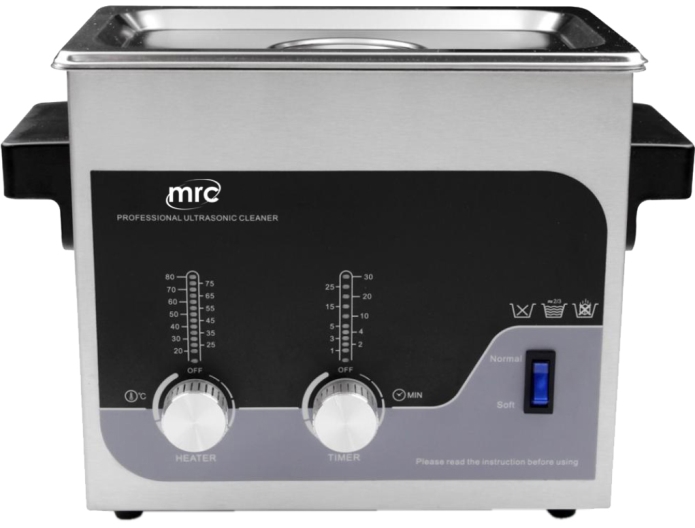
Uses of Ultrasonic Cleaners
Ultrasonic cleaners have a wide range of uses in various industries, here are a few examples:
Metal manufacturing: Ultrasonic cleaners are used to clean metal parts, such as gears, bearings, and other mechanical components. They can effectively remove dirt, grease, oil, and other contaminants from metal surfaces, which can improve the performance and longevity of the parts. Additionally, ultrasonic cleaning can also be used to remove burrs and sharp edges from metal parts, which can improve their accuracy and quality.
Electronics: Ultrasonic cleaners are used to clean electronic components, such as circuit boards, Inc cartridge, and other electronic devices. They can effectively remove dirt, dust, and other contaminants that can accumulate on electronic components over time. This can improve their performance and extend their lifespan.
Optics: Ultrasonic cleaners are used to clean optical components, such as lenses, mirrors, and other optical devices. They can effectively remove dirt, dust, and other contaminants from the surfaces of optical components, which can improve their performance and prolong their lifespan.
Plastics: Ultrasonic cleaners are used to clean plastic parts, such as injection molding, extrusion, and other plastic components. They can effectively remove dirt, grease, and other contaminants from the surfaces of plastic parts, which can improve their performance and prolong their lifespan.
Medical: Ultrasonic cleaners are used to clean medical instruments, such as surgical instruments, dental instruments,gastro instruments and other medical equipment. They can effectively remove dirt, blood, and other contaminants from medical instruments, which can improve their performance and prolong their lifespan.
Jewelry: Ultrasonic cleaners are used to clean jewelry, such as rings, bracelets, and other precious metal jewelry. They can effectively remove dirt, grease, and other contaminants from the surfaces of jewelry, which can improve their appearance and prolong their lifespan.
Ceramics and Glass: Ultrasonic cleaners are used to clean ceramic and glass parts, such as glassware, ceramic tiles, and other glass and ceramic components. They can effectively remove dirt, grease, and other contaminants from the surfaces of ceramic and glass parts, which can improve their performance and prolong their lifespan.
Laboratories: Ultrasonic cleaners are used in laboratories to clean laboratory equipment, glassware, and other items. They can effectively remove dirt, dust, and other contaminants from laboratory equipment, which can improve their performance and prolong their lifespan.