Laboratory safety is of utmost importance, and one of the most crucial elements in ensuring the safety of laboratory workers is the use of safety cabinets. they are essential for storing hazardous materials, preventing contamination, and protecting workers from exposure to dangerous substances. However, with so many types available on the market, it can be overwhelming to choose the right one for your laboratory. In this article, we will take a closer look at the different types of safety cabinets available, their unique features, and their suitability for different laboratory applications.
Laboratories use a wide range of hazardous materials, from chemicals to biological agents and radioactive isotopes. it provides an essential means of protecting laboratory workers from exposure to these substances. Safety cabinets are enclosed, ventilated workspaces that are designed to protect laboratory workers, the environment, and the materials being handled. They come in various types, each with unique features designed to meet specific laboratory needs.
Types of Safety Cabinets for Laboratory
Biological safety cabinets are designed to provide a sterile and safe work environment for laboratory workers handling biological materials. They are essential for laboratories working with infectious agents, such as viruses and bacteria, and for research involving human and animal tissues.
Class I Biological Safety Cabinets
Class I biological safety cabinets provide personnel and environmental protection but do not protect the product. These cabinets are suitable for work involving low-to-moderate risk biological agents, such as non-infectious biological materials and agents that do not require containment beyond the laboratory or animal room.
Class II Biological Safety Cabinets
Class II biological cabinets provide both personnel and environmental protection, as well as product protection. They are suitable for work involving moderate-to-high risk biological agents, including infectious agents and diagnostic specimens.
Class III Biological Safety Cabinets
Class III biological cabinets provide the highest level of protection. These cabinets are designed for work involving highly infectious agents, such as the Ebola virus. They are fully enclosed and require operators to wear protective suits and work through glove ports.

-Chemical Safety Cabinets
Chemical safety cabinets are designed to store and handle hazardous chemicals safely. They are essential for laboratories working with toxic, flammable, and corrosive substances.
Laboratory Fume hoods are ventilation systems that are designed to remove hazardous chemicals and particles from the laboratory workspace. They are essential for laboratories working with volatile chemicals.
Ductless fume hoods are similar to traditional fume hoods but do not require external venting. They use filters to remove hazardous chemicals from the laboratory workspace.

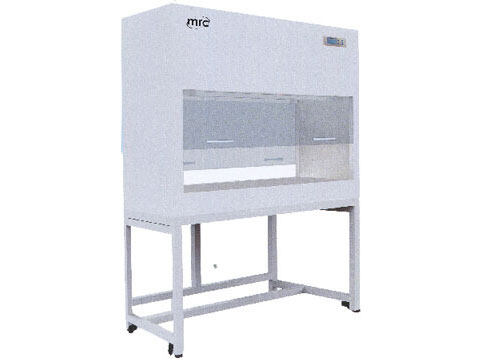
Laminar flow cabinets are designed to provide a sterile workspace for laboratory workers. They are essential for laboratories working with sterile materials, such as cell cultures and tissue samples.
Why is it important to use Safety Cabinets?
It is important to use safety cabinets in laboratories to protect workers and the environment from exposure to hazardous materials. These cabinets provide a controlled and enclosed environment where hazardous materials can be stored, handled, and disposed of safely. Without the use of safety cabinets, laboratory workers can be at risk of exposure to dangerous substances, leading to health problems and potential environmental contamination. it can also help to prevent fires, explosions, and other accidents that can occur when working with hazardous materials. Therefore, the use of safety cabinets is a crucial element in maintaining a safe laboratory environment.
