When it comes to forecasting the weather and understanding the atmosphere, accuracy is key. Professional meteorology instruments are important in collecting precise data for weather predictions and research. Whether you're a meteorologist, climate scientist, or simply an enthusiast, knowing how to use these instruments effectively can significantly impact the quality of your data. Let’s dive into some essential tips for using professional meteorology instruments to ensure accurate and reliable weather information.
The Role of Meteorological Instruments in Weather Forecasting
Meteorology is the study of atmospheric processes, and professional meteorological instruments are the tools that help us measure, observe, and analyze various aspects of the weather. From temperature and humidity to wind speed and solar radiation, each instrument provides vital information about atmospheric conditions. Accurate meteorological data is the backbone of weather forecasting, helping predict natural phenomena like storms, droughts, and other climate-related events.
Why Accurate Meteorological Data Matters
Accurate weather forecasts can make a difference between success and disaster in numerous industries, including agriculture, aviation, and disaster management. For example, farmers rely on precise weather predictions to plan their planting seasons, while airports use weather data to ensure safe flight operations. Therefore, the correct usage of meteorological instruments is essential to collecting reliable data and ensuring these forecasts are as accurate as possible.
Essential Meteorological Instruments for Professionals
Thermometers: Measuring Air Temperature
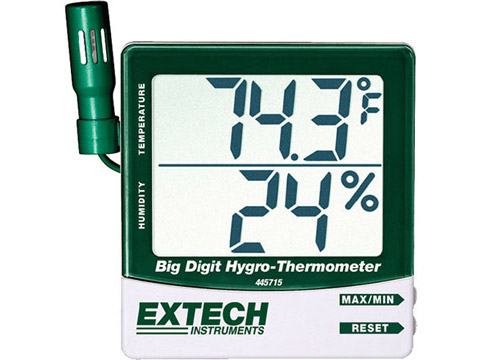
One of the most basic yet essential meteorological tools, thermometers measure the temperature of the air. Proper positioning of Thermometers is crucial, as placing them in direct sunlight can lead to inaccurate readings.
Barometers:
Tracking Air Pressure
Barometers are used to measure atmospheric pressure. Changes in pressure can indicate shifts in the weather, such as the approach of a storm. Ensuring your barometer is calibrated regularly will help maintain its accuracy.
Anemometers: Measuring Wind Speed
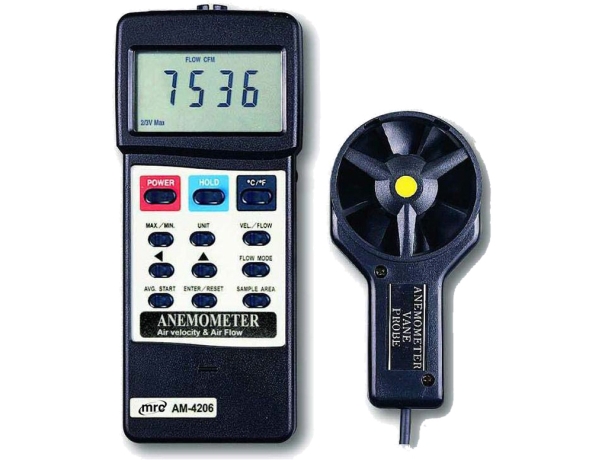
Anemometers gauge wind speed and direction, which is crucial for predicting weather changes, especially during storm conditions. Placement in an unobstructed area is essential for obtaining accurate measurements.
Hygrometers: Assessing Humidity Levels
A hygrometer measures the moisture content in the air, providing important data about humidity. High humidity levels can be an indicator of rain, while low humidity often suggests dry conditions.
Rain Gauges: Recording Precipitation
Rain gauges help measure the amount of rainfall over a given period. Ensuring your rain gauge is placed in an open area away from trees and buildings will prevent obstruction of rainfall, giving more accurate readings.
Pyranometers: Measuring Solar Radiation
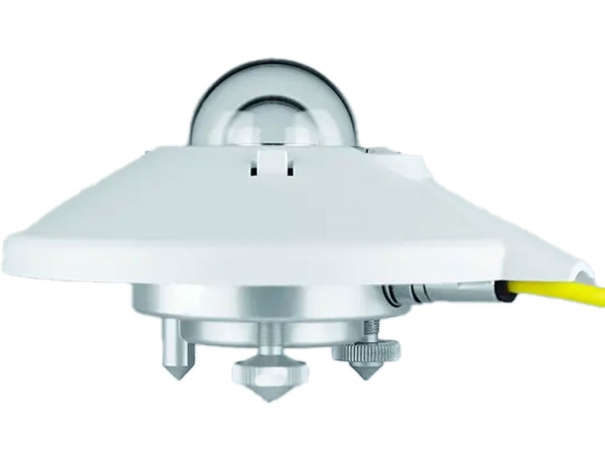
Used to measure the amount of solar radiation reaching the Earth’s surface, pyranometers are vital in understanding the sun’s energy, especially for climate studies and solar power forecasting.
Tips for Proper Usage of Meteorological Instruments
Regular Calibration and Maintenance
Why Calibration is Crucial
Calibration ensures your instruments are providing accurate readings. Over time, instruments can drift from their initial settings, leading to erroneous data. Regular calibration helps maintain their precision.
How Often Should You Calibrate Your Instruments?
For most meteorological instruments, annual calibration is recommended. However, if your equipment is exposed to extreme conditions or used frequently, more frequent calibration may be necessary.
Placement and Positioning
Avoiding Obstructions for Accurate Data
Where you place your instruments has a significant impact on data accuracy. Ensure that thermometers, hygrometers, and other instruments are positioned away from buildings, trees, and other obstructions that can interfere with readings.
Elevation and Height Recommendations
Proper height is also key. For example, rain gauges should be placed at ground level, while anemometers should be mounted high above obstructions to accurately measure wind speeds.
Data Recording and Analysis
Keeping Consistent Records
Maintaining consistent and organized records of your data is essential for long-term weather analysis. Whether manually or through automated systems, proper documentation helps track weather trends over time.
Using Software to Analyze Data
Many meteorological instruments come with companion software that allows for easy data analysis. Utilizing these programs can help you better understand weather patterns and forecast more accurately.
Advanced Meteorological Tools and Their Usage
Radiosondes: Monitoring the Atmosphere Above
Radiosondes are launched into the atmosphere attached to weather balloons, providing data on temperature, humidity, and pressure at various altitudes.
Weather Radars: Tracking Storms and Rainfall
Weather radars are invaluable for detecting precipitation, its intensity, and even storm rotation. They help meteorologists predict severe weather events like tornadoes and hurricanes.
Satellites: Capturing a Global View of Weather Patterns
Satellites offer a comprehensive view of the Earth’s weather, monitoring large-scale patterns and providing data that ground instruments can’t capture.