Biology labs have always been at the heart of scientific discovery, but 2026 is set to redefine what’s possible
Why 2026 is a Milestone Year for Biology Labs
The pace of scientific progress has never been faster. COVID-19 put the spotlight on biology, and since then, investment in lab technology has skyrocketed. 2026 stands out because automation, sustainability, and digital transformation are no longer optional—they’re essential. Let’s break down the products that will matter most.
Essential Equipment for Modern Biology Labs
Advanced Microscopes – Beyond the Basics
Remember when microscopes were just for peering at slides? Now, they’re intelligent, connected, and capable of capturing the unseen.
Digital and Fluorescence Microscopy
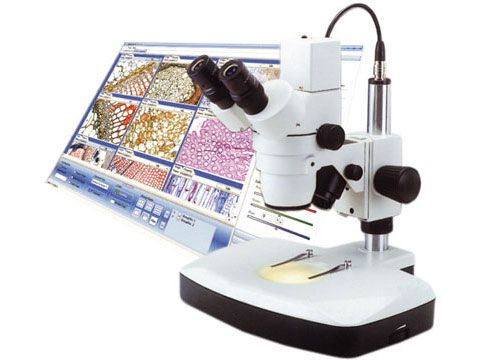
Digital microscopes deliver stunning clarity, while fluorescence microscopy allows researchers to track cellular processes in real time. 2026 models are faster, smarter, and compatible with AI-powered image analysis.
Imaging Software Integration
Microscopes are now just one part of the imaging ecosystem. Integrated software can automatically count cells, measure fluorescence, and even flag anomalies.
Cutting-Edge Centrifuges and Their Role
Spinning samples isn’t new, but the technology behind it sure is.
Microcentrifuges vs. Ultracentrifuges
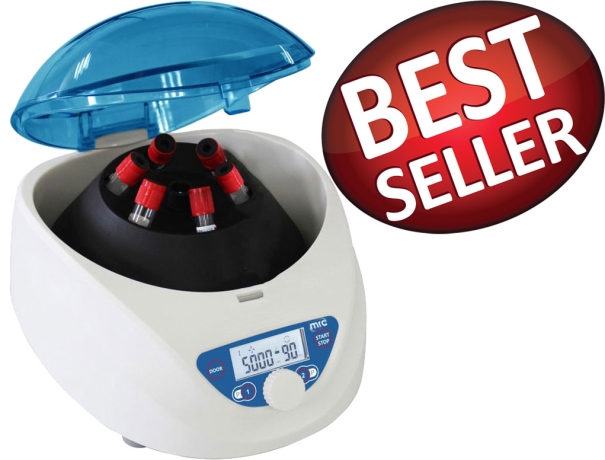
Microcentrifuges are must-haves for routine separations, while ultracentrifuges are critical for cutting-edge research—think virus purification or nanoscale fractionation.
Key Innovations in 2026
Expect touch-screen interfaces, remote monitoring, and whisper-quiet operation.
Next-Generation PCR Machines
PCR remains the gold standard for DNA amplification, but today’s devices are all about speed and accuracy.
Real-Time and Digital PCR
Real-time PCR gives instant results, while digital PCR offers unbeatable sensitivity. Both are now mainstays in any serious biology lab.
Automation in PCR
Many PCR machines can run hundreds of samples, log results to the cloud, and even alert you when protocols finish. Time to ditch the manual timers.
Crucial Consumables and Reagents
High-Purity Chemicals and Reagents
Accuracy starts with purity. The best labs use ultra-pure reagents to avoid contamination and ensure reproducibility.
Sustainable and Eco-Friendly Consumables
Single-use plastics are out; biodegradable and recyclable labware are in. Many suppliers now offer greener alternatives for tubes, pipette tips, and even gloves.
Safety and Sterilization Technologies
Biosafety Cabinets & Laminar Flow Hoods
Working with biohazards? 2026’s biosafety cabinets offer enhanced airflow, HEPA filtration, and user-friendly controls to keep your team safe.
Autoclaves and Advanced Sterilizers
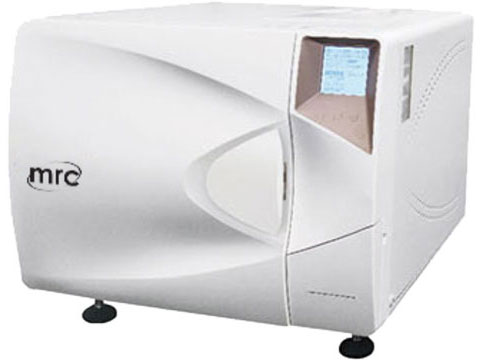
Sterilization is non-negotiable. Modern autoclaves are faster, safer, and more energy-efficient, featuring smart cycle selection and real-time data logging.
Revolutionary Sample Storage Solutions
Ultra-Low Temperature Freezers
Sample integrity is everything. New ultra-low freezers hit -86°C and offer backup power, remote monitoring, and automatic inventory management.
Smart Inventory Systems
RFID tagging and cloud-based software mean you’ll never lose track of a sample again. Some systems even re-order supplies automatically!
Automation & Robotics in Biology Labs
Automated Liquid Handling Systems
From serial dilutions to assay setup, robots can now handle thousands of samples with perfect precision. That means fewer errors and faster results.
Laboratory Robotics for Repetitive Tasks
Repetitive, mundane tasks—like plate loading, tube capping, and mixing—are now done by robots, freeing up scientists for more meaningful work.
Data Management and Lab Informatics
Laboratory Information Management Systems (LIMS)
Modern labs generate mountains of data. LIMS software helps organize, track, and analyze results, ensuring compliance and streamlining workflows.
Data Security and Cloud Integration
With more sensitive data, security matters. Today’s best systems encrypt everything and allow seamless sharing across secure, cloud-based platforms.
Environmental Monitoring and Control
Incubators with Precision Control
For cell culture and microbiology, tight control over temperature, CO₂, and humidity is essential. Smart incubators adjust conditions in real time based on live feedback.
Smart Environmental Sensors
Connected sensors track air quality, vibration, and temperature, sending alerts if conditions drift out of range—protecting your experiments and your investments.
Trending Tools for Molecular Biology
CRISPR and Gene Editing Platforms
CRISPR kits and tools have become standard, enabling rapid gene editing and functional genomics. In 2026, expect plug-and-play solutions and user-friendly interfaces.
Next-Gen Sequencing (NGS) Instruments
DNA sequencing is faster, cheaper, and more accurate than ever. Compact desktop NGS machines bring this power to even the smallest labs.
Innovative Cell Culture Solutions
Bioreactors and 3D Culture Systems
From organoids to tissue engineering, 3D cell culture is a must. Modern bioreactors support complex cultures with precise environmental controls.
Advanced Cell Counters and Analyzers
Manual cell counting is a thing of the past. Automated counters now deliver fast, reliable results with just the push of a button.
Labware and Accessories – Small but Mighty
Ergonomic Pipettes and Tips
Pipetting fatigue is real. 2026’s pipettes are lightweight, digital, and adjustable—reducing repetitive strain and boosting accuracy.
Smart Labware: RFID and IoT Integration
Labware that tracks its own use? Welcome to the future. Smart labware with RFID chips can log usage data, track inventory, and even alert
The Most Important Products for Biology Laboratories for 2026
Laboratory Microscopes
Light Microscopes
Traditional light microscopes remain a staple, allowing for the visualization of cells and microorganisms. Modern options feature advanced optics, digital cameras, and user-friendly interfaces for image capture and sharing.
Fluorescence and Confocal Microscopes
For more advanced research, fluorescence and confocal microscopes enable high-resolution imaging of specific cellular components, making them essential for molecular and cell biology.
Digital and AI-powered Imaging Systems
Digital microscopy with AI-driven analysis provides automated image quantification, accelerating workflows and increasing reliability in data interpretation.
Centrifuges
Microcentrifuges vs. Benchtop Centrifuges
Microcentrifuges are ideal for small-volume samples, while benchtop models accommodate larger sample capacities for routine tasks.
High-speed and Refrigerated Models
High-speed centrifuges handle demanding protocols, and refrigerated models protect temperature-sensitive biological samples.
PCR and qPCR Machines
The Role of PCR in Molecular Biology
Polymerase Chain Reaction (PCR) technology is the backbone of DNA and RNA analysis, critical for genetics, forensics, and diagnostics.
Latest Innovations in qPCR Technology
Real-time (quantitative) PCR enables precise quantification of nucleic acids, with new models offering faster run times, improved sensitivity, and seamless software integration.
Biological Safety Cabinets
Classes of Safety Cabinets
Class I, II, and III Biological cabinets provide different levels of protection for personnel, products, and the environment.
Smart Airflow and Contamination Prevention
Innovations in airflow control, HEPA filtration, and digital monitoring enhance safety and compliance with global standards.
Incubators and Environmental Chambers
These are vital for cell culture, maintaining optimal temperature, humidity, and CO2 levels.
Multi-gas and Hypoxia Incubators
For specialized applications, multi-gas incubators allow precise regulation of oxygen and other gases.
Precision and Monitoring Features
New incubators offer data logging, remote alerts, and automatic decontamination cycles.
Autoclaves and Sterilization Solutions
Automated vs. Manual Autoclaves
Automated models streamline sterilization processes, while manual options offer flexibility for smaller labs.
New Tech in Sterilization Efficiency
Advanced autoclaves feature shorter cycles, energy-saving modes, and remote monitoring.
Spectrophotometers and Plate Readers
UV-Vis, Microplate, and Fluorometer Systems
Spectrophotometers enable the quantification of DNA, RNA, proteins, and more. Microplate readers support high-throughput assays, and fluorometers deliver sensitive detection of fluorescent signals.
Software Integration for Data Analysis
Seamless software integration with data export capabilities simplifies reporting and archiving.
Refrigerators and Freezers
Ultra-low Temperature (ULT) Freezers
ULT freezers (-80°C) are critical for storing biological samples, reagents, and vaccines.
Smart Monitoring and Alarm Systems
Modern cold storage units feature Wi-Fi monitoring, real-time alerts, and temperature mapping for regulatory compliance.
Liquid Handling Automation
Pipettes (Manual and Electronic)
Accurate pipetting is the backbone of lab reproducibility. Electronic pipettes reduce user fatigue and improve precision.
Automated Liquid Handlers and Dispensers
For high-throughput labs, robotic liquid handlers automate complex workflows, minimizing human error and saving time.
Water Purification Systems
Importance of Pure Water in Biology Labs
Laboratory-grade water is essential for reproducible results and equipment longevity.
Latest Advancements in Water Purification
Modern systems provide ultrapure water on demand, with automated maintenance alerts and digital quality monitoring.
Electrophoresis and Gel Documentation
Horizontal and Vertical Systems
Both systems are used for separating DNA, RNA, or proteins.
Advanced Gel Documentation and Analysis Tools
New digital documentation systems provide high-resolution imaging, automatic band analysis, and secure data storage.
Balances and Weighing Solutions
Analytical and Precision Balances
Precision in weighing reagents and samples is vital. Analytical balances provide accuracy up to 0.0001g.
Integration with Lab Software
Bluetooth and USB connectivity enable direct data transfer to laboratory information systems (LIMS).
Laboratory Consumables
Plastics, Glassware, and Filtration Units
Pipette tips, tubes, petri dishes, and filters are fundamental to daily lab operations.
Eco-friendly and Sustainable Options
Reusable glassware, biodegradable plastics, and recycling programs help labs reduce their environmental impact.
Data Management and Lab Software
LIMS and Digital Inventory Management
A Laboratory Information Management System (LIMS) tracks samples, manages data, and streamlines regulatory compliance.
Integration with AI and Automation
AI-enabled platforms predict inventory needs and automate reporting, maximizing productivity.
Specialty Equipment for Advanced Research
Flow Cytometers
Used for single-cell analysis and sorting, crucial in immunology and cancer research.
Cell Counters and Sorters
Automated counters save time and improve accuracy compared to manual methods.
Next-gen Sequencing Instruments
High-throughput sequencing has revolutionized genomics, and the latest instruments offer faster, more affordable, and more reliable results.