Laboratories are vital spaces for scientific research and experimentation, where various hazardous substances and materials are handled daily. Ensuring the safety of laboratory personnel and protecting the environment from potential harm is of utmost importance. One critical element in achieving this is the use of safety cabinets. In this article, we will explore the importance of using safety cabinets in laboratories and the various types available to meet specific needs.
Safety cabinets play a crucial role in laboratory safety by providing containment, control, and protection against hazardous substances. These specially designed cabinets are equipped with advanced features to minimize the risks associated with handling chemicals, biological agents, and other dangerous materials. By implementing appropriate safety measures, laboratories can create a secure environment for both researchers and the surrounding community.
The Purpose of Safety Cabinets
The primary purpose of safety cabinets is to contain hazardous materials and prevent their release into the laboratory and surrounding areas. They act as a barrier, minimizing the potential for exposure to harmful substances. its also help maintain the integrity of samples and experiments by providing a controlled environment, free from external contaminants.
Types of Safety Cabinets
There are several types of safety cabinets available, each designed to address specific laboratory requirements. Understanding the differences between these cabinets is essential for selecting the right one for your laboratory's needs.
Biological safety cabinets, also known as biosafety cabinets, are primarily used for handling infectious agents and biohazardous materials. They provide personnel, environmental, and product protection by utilizing high-efficiency particulate air (HEPA) filters to filter and contain microorganisms. Biosafety cabinets are classified into three types (Class I, II, and III) based on the level of containment they offer.
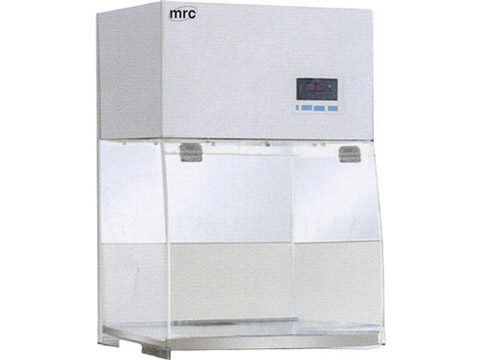
Chemical fume hoods are designed to protect laboratory personnel from toxic fumes, vapors, and gases generated during chemical processes. They work by drawing air through the hood and expelling it through a ventilation system. Chemical fume hoods effectively capture and remove harmful substances, ensuring a safe working environment.
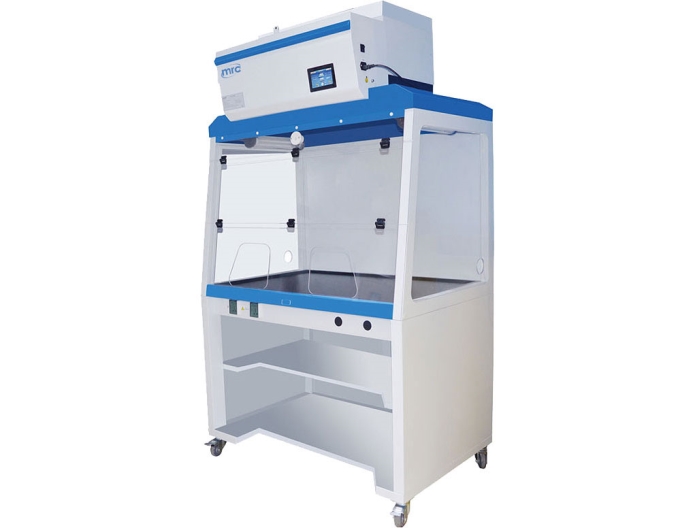
Laminar flow cabinets provide a sterile working environment by delivering a continuous flow of highly filtered air over the work surface. These cabinets are commonly used in microbiology and tissue culture laboratories to prevent contamination of samples and maintain aseptic conditions.
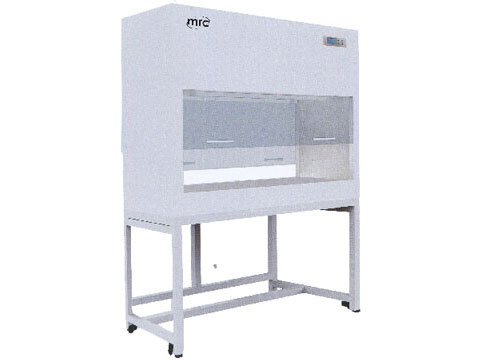
Features and Benefits of Safety Cabinets
Safety cabinets offer a range of features and benefits that contribute to the overall safety and efficiency of laboratory operations. Understanding these advantages can help you appreciate the importance in your laboratory.
Containment of Hazardous Materials
One of the primary functions is to provide secure containment for hazardous materials. Whether it's chemicals, biological agents, or radioactive substances, safety cabinets are designed to prevent leaks, spills, and dispersal of these materials. The cabinets are constructed with robust materials that are resistant to corrosion and chemical reactions, ensuring the integrity of the containment.
Protection of Personnel
The well-being of laboratory personnel is paramount. Safety cabinets are equipped with various safety features to safeguard the individuals working with hazardous materials. These features include laminar airflow, air filtration systems, and protective barriers such as sash windows or front grilles. By utilizing these cabinets, laboratory workers can minimize their exposure to dangerous substances, reducing the risk of accidents, injuries, and long-term health issues.
Prevention of Cross-Contamination
Maintaining a contamination-free environment is crucial in laboratory settings, especially when handling sensitive samples or conducting experiments. it helps prevent cross-contamination by creating a controlled space with positive or negative pressure. Positive pressure cabinets keep contaminants out, ensuring the integrity of the experiments, while negative pressure cabinets prevent hazardous materials from escaping and contaminating the surroundings.
Compliance with Safety Regulations
Laboratory safety regulations are put in place to protect both personnel and the environment. They are designed to comply with industry standards and guidelines, ensuring that laboratories adhere to the necessary safety protocols. Using compliant safety cabinets demonstrates a commitment to safety and minimizes the risk of legal and regulatory repercussions.
Application of Safety Cabinets
Safety cabinets find widespread application across various industries and laboratory settings where the handling of hazardous materials is involved. Let's explore some of the key areas where safety cabinets are crucial for ensuring safety and maintaining a controlled working environment.
1. Chemical Laboratories
In chemical laboratories, safety cabinets play a vital role in storing and handling volatile, flammable, and toxic chemicals. These cabinets provide a secure containment system, preventing accidental spills or releases that could lead to chemical hazards or fires. They are equipped with features like fire-resistant construction, venting systems, and specialized shelving to ensure the safe storage and handling of chemicals.
2. Pharmaceutical Research and Production
Pharmaceutical laboratories often deal with sensitive compounds, potent drugs, and controlled substances. They are essential for maintaining the integrity and safety of these materials. They provide a controlled environment with features like air filtration, contamination control, and proper ventilation, reducing the risk of cross-contamination and ensuring the safety of both personnel and the products being developed or manufactured.
3. Microbiological and Biomedical Laboratories
In microbiological and biomedical laboratories, The cabinets are crucial for handling infectious agents, biological samples, and genetically modified organisms (GMOs). These cabinets provide a contained space with HEPA-filtered airflow, minimizing the spread of airborne pathogens and protecting laboratory personnel from exposure. Safety cabinets equipped with UV lights further aid in sterilization and decontamination processes.
4. Radioactive Material Handling
Laboratories working with radioactive materials require specialized safety cabinets designed to prevent the spread of radiation and protect personnel from radiation exposure. These cabinets have lead-lined walls and doors to contain radiation, along with appropriate shielding and air filtration systems to ensure a safe working environment.
5. Forensic Laboratories
Forensic laboratories deal with a variety of hazardous materials, including chemicals, biological samples, and evidence contaminated with potentially harmful substances. They are used for proper storage, handling, and analysis of these materials, preventing cross-contamination and ensuring the safety of forensic investigators and technicians.
6. Cleanrooms and Semiconductor Manufacturing
Cleanrooms, particularly those used in semiconductor manufacturing and electronics assembly, rely on safety cabinets to maintain the cleanliness and purity of the environment. These cabinets provide filtered air circulation, preventing the ingress of particulates and contaminants that could adversely affect the quality of the electronic components being produced.
7. Research and Development Facilities
Research and development (R&D) facilities across industries, including automotive, aerospace, and materials science, utilize safety cabinets to handle hazardous chemicals, reactants, and experimental setups. they create a controlled environment for conducting experiments, minimizing risks, and ensuring the safety of researchers and technicians involved in R&D activities.
8. Academic and Educational Laboratories
Safety cabinets are also integral to academic and educational laboratories, providing a safe environment for students and educators to learn and conduct experiments. These cabinets promote safety awareness, teach proper handling and storage procedures, and minimize the risks associated with handling chemicals, biological agents, and other hazardous materials.