Laboratories perform jobs of various kinds and often come in contact with materials, some of which are dangerous and also flammable.No matter what the main job of the lab and what research it should focus on, it is very important to store all the materials in it properly.A chemical laboratory needs high-level storage solutions, which are required to meet particularly stringent international standards.
Laboratory needs
Proper laboratory design begins with defining the various needs, relevant to the laboratory issue.When you plan to put laboratory products in a laboratory and need to find where to store them, the size of the laboratory, its total area, the type of work performed in it and the various roles performed by its workers must be taken into account.Before buying products, check the place you have, check if the product can pass in an elevator, for example.Areas that are likely to have more traffic of people should not be with the hazardous materials.Is it a large laboratory or a small laboratory?
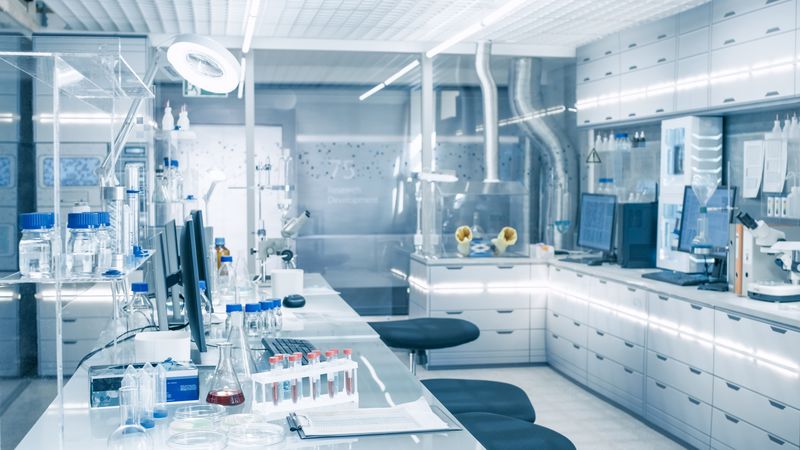
Designing products for laboratory environments is a highly specialized task that demands a deep understanding of both scientific workflows and the challenges inherent to lab settings. A well-designed laboratory product is far more than a tool—it is an enabler of precision, safety, efficiency, and long-term reliability. From benchtop instruments to complex analytical systems and even lab furniture, the design philosophy must align with the unique needs of researchers, technicians, and the regulatory environment in which they operate.
At the heart of any successful lab product design lies functionality. Laboratories are spaces of routine and rigor, where each product must perform a clear function flawlessly, day in and day out. This means every element—from the placement of buttons to the interface of a software system—should be engineered with the end-user in mind. The best designs are intuitive, reducing the need for extensive training and minimizing the risk of human error. Whether the product is a centrifuge or a pipette, it must allow users to focus on their science, not on figuring out how to make the equipment work.
Equally important is the concept of safety by design. Laboratory products must be designed to prevent accidents before they happen. This includes the use of materials that are resistant to corrosion from harsh chemicals, surfaces that are easy to disinfect, and enclosures that protect users from hazardous processes. Designers must think proactively—anticipating the ways in which a product might be misused, exposed to spills, or subjected to mechanical stress—and build in safeguards that protect both the user and the equipment itself. Ventilation features, overload protection, splash guards, and emergency shut-off mechanisms are not optional add-ons but essential components of good design.
Precision is another cornerstone of laboratory product design. Scientific processes depend on reproducibility and accuracy. A poorly calibrated or unstable instrument can compromise entire experiments and invalidate results. As such, every product must be engineered with a tolerance for error that is appropriate for its application, and it must be stable under varying environmental conditions. This includes not just the core functionality of the instrument, but also its calibration systems, user feedback mechanisms, and compatibility with laboratory standards such as ISO, ASTM, and GLP.
Maintenance and cleanability are often overlooked but are vital aspects of lab product design. Laboratory instruments are used frequently and often by multiple users. They must be designed for easy cleaning to prevent contamination, with smooth surfaces, minimal crevices, and tool-free access to key parts for calibration or replacement. Every product must be maintainable with minimal downtime. Furthermore, cable management, modular components, and accessible compartments help to maintain order and reduce risk in busy lab environments.
Another critical factor is environmental compatibility. Many laboratories operate in controlled settings—cleanrooms, temperature-sensitive areas, or sterile zones—where external disruptions must be minimized. Products need to operate quietly, emit minimal heat, and be resistant to contamination. Additionally, modern laboratory instruments should offer energy-efficient modes, smart diagnostics, and even predictive maintenance features to reduce their environmental footprint and operational costs.
Material selection is more than just a technical decision—it’s a strategic one. The materials used in laboratory products must not only be durable and cost-effective, but also suitable for repeated exposure to disinfectants, solvents, and temperature changes. Stainless steel, polypropylene, and glass are common choices due to their resistance to corrosion and ease of cleaning, but more advanced materials like PTFE or certain ceramics may be used where high performance is required.
In today’s digital age, connectivity and data integration have become essential. Laboratories increasingly rely on automation and data management systems, and products must be designed to fit seamlessly into this ecosystem. Whether it’s integrating with LIMS platforms, offering USB and Wi-Fi connectivity, or supporting cloud-based data logging, lab products must facilitate traceability, auditability, and compliance with modern standards. This also means the user interface—whether physical or digital—must be responsive, informative, and easy to navigate.
Compliance with international and regional standards is another design imperative. Products must align with a complex web of regulations depending on their market—such as CE marking in Europe, FDA requirements in the U.S., or RoHS compliance for electronic devices. These aren’t merely legal checkboxes; they are indicators that a product has been built to meet stringent safety and performance criteria. Designers must embed these requirements into the product from the ground up, rather than treating them as afterthoughts.
Perhaps most importantly, great lab product design is human-centered. Scientists and lab technicians spend countless hours using these tools. A well-designed product reduces cognitive and physical strain. It communicates clearly through visual cues, audio alerts, and responsive feedback. It simplifies workflows and helps users stay focused, organized, and confident. Small details—like the tilt of a display, the texture of a handle, or the brightness of an alert light—can make a meaningful difference in day-to-day usability.
Types of laboratories
Biological Laboratory, Food Laboratory, Materials Laboratory, Environment, Energy, Algae, Solar, Building and Roads, Medical Equipment, Bit Technology
Recommended laboratory products
There is a very wide range of laboratory products essential to the laboratory. Each product is suitable for the type of lab you need.Laboratory products that can be seen in any laboratory are: precision balances and analytical balances, vortex, hotplates and magnetic stirrers for heating and mixing liquids and solutions, desiccator, refrigerator, ovens.