FAQs about Peristaltic Pumps
What are Peristaltic pumps
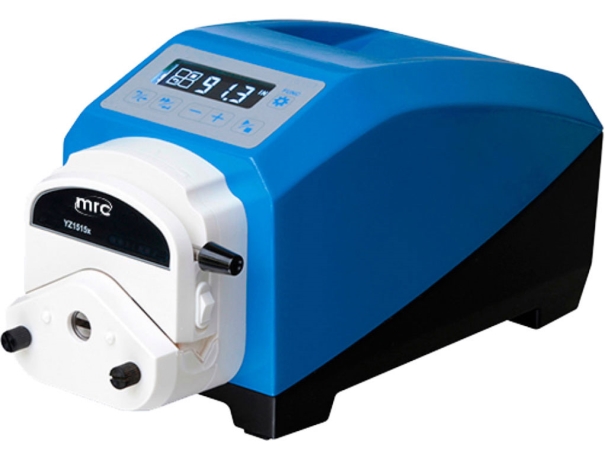
Peristaltic pumps are a type of positive displacement pump designed to move fluids through a flexible tube by compressing and releasing it in a peristaltic motion, mimicking how our intestines push food through the digestive system.
The pump's rollers or shoes compress the tube in a rhythmic pattern, creating a vacuum that draws fluid in and pushes it forward. This motion ensures the fluid does not come into contact with the pump's internal components.
Applications
From medical devices to industrial processes, peristaltic pumps are used wherever sterile or contamination-free fluid transfer is crucial.
How Do Peristaltic Pumps Handle Fluids with High Viscosity or Particulate Content?
Peristaltic pumps are well-suited for handling fluids with high viscosity or particulate content due to their unique operating mechanism and design. Here's how they manage these challenging fluid types:
1. Mechanism of Operation
- Compression and Relaxation: Peristaltic pumps use rollers or shoes to compress a flexible tube. As the rollers move, the fluid inside the tube is pushed forward in a controlled manner.
- Sealed Flow Path: The fluid never comes into contact with moving parts, reducing the risk of clogging or damage to the pump.
2. Handling High-Viscosity Fluids
- Flexibility in Tube Material: The flexible tubing can accommodate thick, sticky fluids like adhesives, syrups, or oils without excessive resistance.
- Positive Displacement Design: This ensures a consistent flow regardless of fluid viscosity, making the pump reliable for applications requiring precision.
3. Managing Particulate Content
- Non-Contact with Mechanisms: Solid particles do not encounter moving parts, preventing abrasion or damage.
- Larger Tube Diameters: Peristaltic pumps can use tubing with larger diameters to allow particulates to pass without clogging.
- Gentle Handling: The peristaltic action minimizes shear, which protects delicate particles or structures in suspensions.
4. Advantages for Challenging Fluids
- Low Maintenance: Since the fluid only touches the tubing, cleaning and maintenance are simplified.
- Customizable Tubing: Different tubing materials (e.g., silicone, Tygon, or Viton) can be selected to resist wear and chemical attack.
- Self-Priming Capability: The pump can handle fluids with varying consistencies and automatically primes without needing additional equipment.
Defining High Viscosity
Viscosity refers to a fluid’s resistance to flow. High-viscosity fluids, like honey or molasses, are thicker and flow slowly compared to water.
Examples of High-Viscosity Fluids
- Adhesives
- Oils and lubricants
- Food-grade syrups
Fluids with Particulate Content
Fluids with particulate content contain solid particles suspended within them, such as:
- Sludges
- Paints with pigments
- Pharmaceuticals with granules
Why Peristaltic Pumps Are Ideal for Such Fluids
Non-Contact Pumping Mechanism
The fluid is confined within the tubing, preventing contact with pump components, reducing wear and contamination.
Ability to Handle Diverse Fluid Types
From viscous materials to slurries, peristaltic pumps adapt to a wide range of fluid properties.
High-Pressure Performance
Peristaltic pumps excel in maintaining consistent flow, even when dealing with challenging fluids under high pressure.
Mechanisms That Enable Efficiency
Precision in Tube Selection
Choosing the right tubing material ensures durability and compatibility with high-viscosity or particulate-rich fluids.
Materials Designed for Tough Fluids
Options include reinforced thermoplastics and elastomers that resist abrasion and chemical degradation.
Variable Speed Control
Operators can adjust the pump’s speed to suit the fluid’s viscosity or particulate load, ensuring optimal performance.
Self-Priming Capability
Peristaltic pumps can self-prime, making them ideal for handling thick fluids without additional preparation.
How does the tubing material impact the performance and durability of a peristaltic pump?
1. Chemical Compatibility
The tubing must resist degradation from the fluid being pumped. For example, materials like silicone or PTFE are ideal for handling aggressive chemicals, while natural rubber may be more suitable for gentle, aqueous solutions. Poor chemical compatibility can lead to material breakdown, contamination, or leakage.
2. Flexibility and Elasticity
Tubing must have sufficient flexibility to withstand continuous squeezing by the pump rollers without cracking or losing its original shape. Materials like thermoplastic elastomers (TPE) or silicone are commonly used because of their excellent elasticity and fatigue resistance.
3. Durability and Longevity
The lifespan of tubing is influenced by its resistance to wear and tear from repeated compression cycles. High-quality materials with good abrasion resistance, such as Santoprene or reinforced PVC, tend to last longer under heavy-duty operation.
4. Temperature Resistance
Tubing material must endure the operating temperature of both the fluid and the environment. Silicone and Viton tubing, for instance, perform well in high-temperature applications, while other materials may harden or degrade over time.
5. Flow Rate Stability
The material’s compliance (ability to deform under pressure) affects the consistency of the flow rate. Softer materials may absorb energy from the pump’s motion, leading to slight variations in flow, while firmer tubing offers more precise control.
6. Permeability
Certain applications, such as pharmaceutical or food-grade processes, require low gas permeability to maintain fluid purity and avoid contamination. Tubing materials like platinum-cured silicone or fluoropolymers are preferred for such scenarios.
7. Cost and Maintenance
Some materials are more expensive due to their specialized properties. However, investing in high-quality tubing can reduce maintenance costs and downtime, as it minimizes the risk of frequent replacements or system failures.
What types of tubing materials are compatible with corrosive chemicals in peristaltic pumps?
When selecting tubing materials for peristaltic pumps to handle corrosive chemicals, compatibility is crucial to ensure safety, durability, and reliable performance. The following materials are commonly used for corrosive applications, depending on the specific chemical and operating conditions:
1. Viton (FKM)
- Properties: High resistance to acids, alkalis, and many organic solvents.
- Applications: Suitable for handling aggressive chemicals such as strong acids (e.g., sulfuric acid) and some petroleum-based products.
- Limitations: Not ideal for certain polar solvents like ketones or amines.
2. PTFE (Polytetrafluoroethylene)
- Properties: Exceptional chemical resistance, non-reactive to almost all chemicals, and a wide temperature tolerance.
- Applications: Excellent for highly aggressive chemicals like hydrofluoric acid, strong oxidizers, and corrosive gases.
- Limitations: Limited flexibility and higher cost compared to other materials.
3. EPDM (Ethylene Propylene Diene Monomer)
- Properties: Resists a variety of acids, alkalis, and alcohols.
- Applications: Common in handling dilute acids and alkalis or oxidizing agents like hydrogen peroxide.
- Limitations: Poor resistance to petroleum-based products and organic solvents.
4. Silicone
- Properties: Biologically inert and resistant to mild chemicals, making it suitable for less aggressive substances.
- Applications: Often used in pharmaceutical or food-grade applications where moderate chemical resistance is required.
- Limitations: Susceptible to degradation by strong acids, alkalis, and certain solvents.
5. PVC (Polyvinyl Chloride)
- Properties: Cost-effective and resistant to a range of diluted acids and alkalis.
- Applications: Suitable for general-purpose chemical transfer involving weaker corrosives.
- Limitations: Limited resistance to highly concentrated or aggressive chemicals.
6. Tygon®
- Properties: Specially formulated for chemical resistance, with various grades tailored for specific corrosive environments.
- Applications: Used for both mild and aggressive chemicals, depending on the selected formulation (e.g., Tygon® Chemical Tubing).
- Limitations: Requires careful selection to match chemical compatibility.
7. Santoprene®
- Properties: Combines flexibility and chemical resistance, especially to acids and alkalis.
- Applications: Ideal for use in industrial and laboratory settings with corrosive agents.
- Limitations: Not suitable for strong organic solvents.
Factors to Consider:
- Chemical Concentration: Higher concentrations of corrosives demand more resistant materials.
- Temperature: Elevated temperatures can affect chemical compatibility and tubing durability.
- Flexibility and Longevity: The tubing material must withstand repeated flexing and pumping cycles without degradation.
- Regulatory Compliance: For food, pharmaceutical, or medical applications, ensure the tubing meets necessary regulatory standards (e.g., FDA, USP Class VI).
What are the wear-and-tear considerations for tubing when pumping abrasive slurries?
When pumping abrasive slurries, the wear-and-tear of tubing is a critical factor to consider. The aggressive nature of abrasive particles can lead to significant degradation over time, impacting performance and increasing maintenance needs. Below are key considerations for managing wear-and-tear in such applications:
- Material Selection: The tubing material must be robust enough to resist abrasion. Common choices include reinforced rubber, polyurethane, or high-density polyethylene (HDPE). Materials with higher abrasion resistance and durability are preferred for prolonged service life.
- Wall Thickness: Thicker tubing walls can better withstand the constant impact and friction caused by abrasive particles, reducing the risk of punctures or failures.
- Flow Velocity: High flow velocities can exacerbate wear by increasing the energy of abrasive particles striking the tubing walls. Optimizing flow rates to minimize turbulence can help reduce this effect.
- Particle Size and Shape: Larger or irregularly shaped particles tend to cause more severe abrasion. Tubing designed with smoother internal surfaces can help mitigate this wear by reducing friction.
- Operating Pressure: High-pressure systems can intensify the contact force of abrasive particles against the tubing, leading to quicker degradation. Ensuring proper pressure regulation is essential.
- Chemical Resistance: If the slurry contains corrosive chemicals in addition to abrasive solids, the tubing must also resist chemical degradation to avoid compounded wear effects.
- Bends and Fittings: Abrasion is often more pronounced at bends, joints, or fittings where flow direction changes, causing particles to collide more forcefully with the tubing walls. Reinforcing these areas with wear-resistant liners or using straight-flow designs can reduce localized damage.
- Inspection and Maintenance: Regular inspections to detect early signs of wear, such as thinning walls, cracks, or leaks, can prevent sudden failures. Maintenance schedules should be tailored to the operating conditions and the type of slurry being pumped.
- Coatings and Linings: Applying protective coatings or linings inside the tubing can extend its lifespan by providing a barrier against abrasion.
- Replacement Planning: Despite all preventive measures, tubing used for abrasive slurries will eventually wear out. Planning for timely replacements based on usage patterns can minimize downtime and operational disruptions.
How do temperature fluctuations affect the operation of peristaltic pumps in industrial environments?
Temperature fluctuations can significantly impact the operation of peristaltic pumps in industrial environments, influencing both their performance and longevity. These effects primarily stem from changes in the properties of the pump's tubing, the fluid being transported, and the mechanical components.
- Tubing Material Behavior: Peristaltic pumps rely on the flexibility and elasticity of their tubing to create a consistent flow. Extreme temperatures can cause tubing to stiffen at low temperatures or become overly pliable at high temperatures, affecting the pump's efficiency. Prolonged exposure to extreme temperatures may also lead to material degradation, such as cracking or loss of elasticity, reducing the tubing's lifespan.
- Fluid Viscosity Variations: Temperature fluctuations can alter the viscosity of the fluids being pumped. At lower temperatures, fluids may become more viscous, requiring greater force to move through the tubing, which can increase motor strain and reduce flow rate. Conversely, higher temperatures may lower viscosity, potentially causing flow irregularities or leakage in less robust systems.
- Mechanical Component Stress: The internal components of peristaltic pumps, including rollers and bearings, can experience thermal expansion or contraction due to temperature changes. These fluctuations can lead to misalignments or increased wear, potentially affecting the pump’s overall performance and increasing maintenance requirements.
- Operational Efficiency: Significant temperature variations can lead to inconsistent performance, particularly in processes that require precise flow rates. Maintaining operational stability under such conditions may necessitate additional adjustments or monitoring, increasing operational complexity.
- Mitigation Strategies: To minimize these effects, selecting tubing materials with high thermal tolerance, using temperature-controlled environments, or installing cooling or heating systems may be necessary. Additionally, regular maintenance checks can help identify early signs of wear caused by temperature-induced stress.