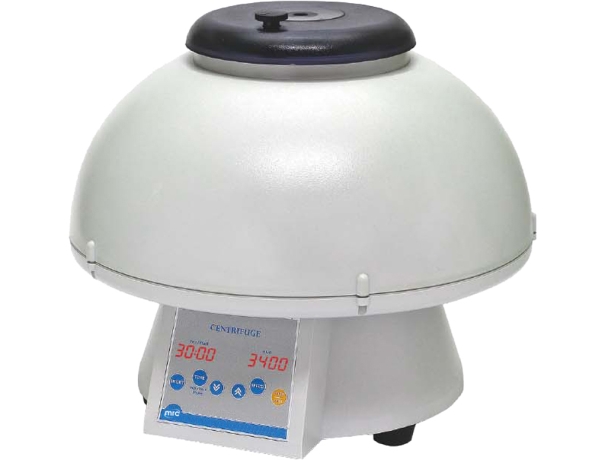
Orthopedic pain can be debilitating, whether it’s caused by arthritis, sports injuries, or other chronic conditions. Platelet-Rich Plasma (PRP) therapy is an emerging treatment that offers a promising solution for pain relief, especially for those looking to avoid surgery. Central to PRP therapy is the PRP centrifuge, a crucial tool used to prepare the plasma for treatment. But what exactly are PRP centrifuges, and how do they play a role in orthopedic pain treatments?
What is a PRP Centrifuge?
A PRP centrifuge is a specialized medical device designed to extract platelet-rich plasma from a patient’s blood. It works by spinning blood samples at high speeds to separate its components. The process isolates platelets, which are essential for healing and tissue regeneration.
How Does a PRP Centrifuge Work?
The centrifuge relies on centrifugal force to separate different blood components based on density. Red blood cells, white blood cells, platelets, and plasma are all separated into distinct layers. The platelets, being denser, settle into a specific layer, which can then be extracted for therapeutic use.
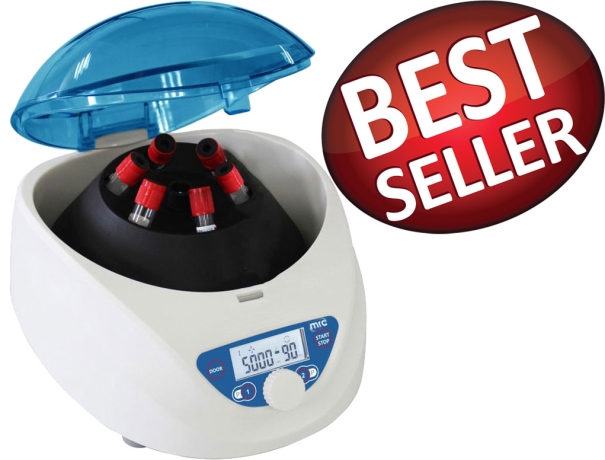
Different Types of PRP Centrifuges
There are two primary types of PRP centrifuges:
- Manual PRP Centrifuges: These require a technician to manually separate the platelets after the centrifuge process.
- Automated PRP Centrifuges: These models automate much of the process, making it easier and more efficient.
The Role of PRP in Orthopedic Pain Management
PRP is increasingly being used to treat orthopedic conditions such as tendonitis, arthritis, and ligament injuries. The goal of PRP therapy is to accelerate healing by injecting a high concentration of platelets directly into the affected area.
Common Conditions Treated with PRP
- Osteoarthritis
- Tennis Elbow
- Rotator Cuff Injuries
- Knee Ligament Tears
Benefits of PRP Therapy for Pain Relief
Patients report reduced pain, increased mobility, and faster recovery times compared to traditional treatments like cortisone injections or surgery.
How PRP Centrifuges Help in PRP Therapy
The centrifuge process is critical for extracting the right concentration of platelets. Without a quality PRP centrifuge, the therapy would be less effective because the platelet concentration wouldn’t be optimized.
The Process of Platelet Separation
The blood is placed into the centrifuge, spun at a specific speed, and then the platelets are carefully extracted from the plasma. This process typically takes between 10 to 15 minutes.
Factors to Consider When Choosing a PRP Centrifuge
- Speed and Efficiency: How fast can it separate the blood?
- Capacity: How many samples can it process at once?
- Ease of Use: Is it user-friendly for medical staff?
Types of PRP Centrifuges for Orthopedic Use
Orthopedic practices generally choose between manual and automated centrifuges, depending on their needs. Manual centrifuges are cheaper but require more precision, while automated models offer greater efficiency.
Single Spin vs. Double Spin PRP Centrifuges
- Single Spin PRP Centrifuges: These spin the blood once, which can sometimes result in lower platelet concentration.
- Double Spin PRP Centrifuges: These centrifuges spin the blood twice, offering a higher concentration of platelets, which is often more effective for orthopedic treatments.
Benefits of Using PRP Centrifuges in Orthopedic Pain Treatments
Using PRP centrifuges ensures the most effective treatment by delivering the highest quality plasma. They also allow for quicker treatments, meaning less time spent in the doctor’s office.
How PRP Centrifuge Technology Has Evolved
Early PRP centrifuges were bulky and time-consuming, but advances in technology have led to more compact and user-friendly machines. Today’s models can process blood samples faster, allowing for more precise treatments.
Step-by-Step Guide to PRP Centrifuge Use in Orthopedics
- Blood Extraction: The patient’s blood is drawn and placed in the centrifuge.
- Centrifuge Operation: The centrifuge is activated, separating the blood components.
- PRP Injection: The platelets are injected into the affected area to begin healing.
Safety Concerns and Best Practices
To avoid complications, it’s essential to follow strict sterility guidelines and ensure the centrifuge is regularly maintained. Improper use could lead to infection or ineffective treatment.