In the world of agriculture, precision is the cornerstone of success. Accurate measurements enable farmers to make informed decisions regarding irrigation, fertilization, and pest control. By understanding soil composition, moisture levels, and environmental conditions, farmers can tailor their approach to maximize yields while minimizing inputs. Measuring instruments serve as indispensable tools in this endeavor, providing real-time data and insights crucial for effective farm management.
The Role of Measuring Instruments in Different Phases of Agriculture
Soil Analysis: Enhancing Nutrient Management
Soil Moisture Meters: These devices measure the moisture content of soil, enabling farmers to determine optimal irrigation schedules and prevent water wastage. By accurately assessing soil moisture levels, farmers can avoid overwatering or underwatering, thus promoting healthy plant growth and minimizing resource expenditure.
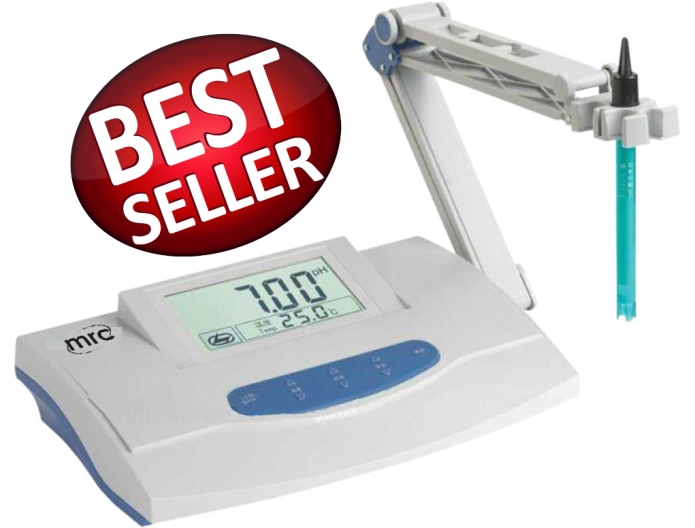
pH Meters: Soil pH profoundly influences nutrient availability and plant growth. pH meters allow farmers to assess soil acidity or alkalinity levels, facilitating the application of appropriate soil amendments to maintain optimal pH conditions for crop cultivation.
Crop Monitoring: Maximizing Yield Potential
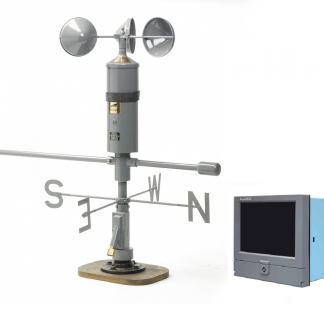
Weather Stations: Weather stations provide comprehensive data on temperature, humidity, wind speed, and precipitation patterns. By monitoring weather conditions in real time, farmers can anticipate potential risks such as frost, drought, or excessive heat, enabling timely interventions to protect crops and minimize losses.
Leaf Area Index (LAI) Meters: LAI meters quantify the density of foliage in crop canopies, offering valuable insights into plant health and photosynthetic efficiency. By measuring the extent of light interception by leaves, farmers can assess crop vigor, detect nutrient deficiencies, and optimize canopy management practices for enhanced productivity.
Harvesting and Yield Estimation: Optimizing Resource Allocation
Yield Monitors: Yield monitors utilize advanced sensors to measure crop yield and performance during harvesting operations. By recording yield variability across different sections of the field, farmers can identify factors contributing to yield fluctuations and implement precision farming techniques to optimize resource allocation and maximize overall profitability.
Grain Moisture Meters: Grain moisture meters assess the moisture content of harvested crops such as grains and oilseeds. Maintaining appropriate moisture levels is crucial to prevent spoilage, mold growth, and quality degradation during storage and transportation.
Other types
Pyranometer-A pyranometer for agriculture is a device used to measure solar radiation levels, specifically the amount of sunlight received by plants in agricultural settings. It helps farmers and researchers monitor and understand the amount of solar energy available to their crops, which is crucial for optimizing growth, photosynthesis, and overall plant health. By measuring solar radiation, farmers can make informed decisions regarding irrigation, planting schedules, crop selection, and other agricultural practices to maximize productivity and yield.
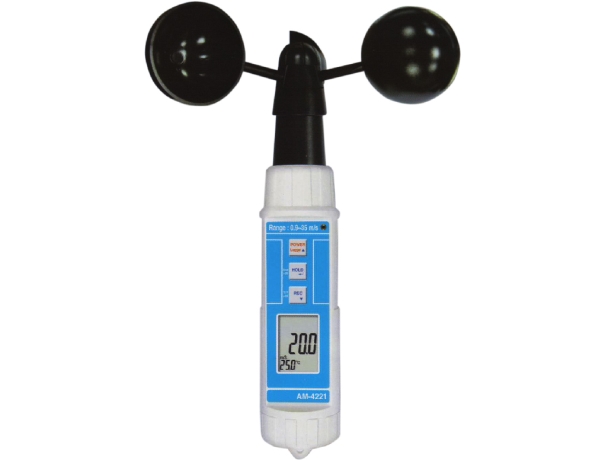
Anemometer-An anemometer for agriculture is a tool used to measure wind speed and sometimes wind direction in agricultural settings. It helps farmers and researchers understand the airflow patterns and wind conditions within their fields, which can impact various aspects of crop growth and management.
Conductivity Meter-A Conductivity Meter for Agriculture is a device used to measure the electrical conductivity of a solution, particularly in the context of agricultural practices. Electrical conductivity is a measure of a solution's ability to conduct electricity, which is influenced by the concentration of dissolved ions, such as salts and nutrients, in the solution.
Advantages
The integration of measuring instruments into agricultural practices offers a myriad of benefits:
- Enhanced Efficiency: Measuring instruments for agriculture streamline farm operations, minimize guesswork, and optimize resource allocation, leading to improved productivity and profitability.
- Resource Conservation: By precisely tailoring inputs such as water, fertilizers, and pesticides to meet crop requirements, farmers can minimize waste, reduce environmental impact, and promote sustainable farming practices.
- Data-Driven Decision Making: Accurate, real-time data empowers farmers to make informed decisions, anticipate challenges, and adapt strategies to changing conditions, thereby mitigating risks and maximizing returns on investment.
Choosing the Right Agricultural Measuring Instruments
Choosing the right measuring instruments for agriculture depends on the crop type, growing environment, soil condition, and the level of precision required. For open-field farming, tools such as weather stations, anemometers, pyranometers, and soil moisture sensors help monitor climate, irrigation needs, wind conditions, and solar radiation. In greenhouses, nurseries, and research farms, instruments such as pH meters, conductivity meters, PAR meters, and data loggers support more accurate control of water quality, nutrient concentration, light exposure, and plant growth conditions. By combining soil, climate, and crop monitoring data, farmers, agronomists, and agricultural laboratories can improve yield quality, reduce unnecessary water and fertilizer use, and make better decisions based on reliable field measurements.
Types of Agriculture
- Subsistence Agriculture: This type of agriculture is practiced primarily to meet the needs of the farmer and their family, with little surplus for sale. It is common in developing countries and often uses traditional methods.
- Commercial Agriculture: Commercial agriculture focuses on producing crops or livestock primarily for sale rather than personal consumption. It is typically more mechanized and intensive than subsistence agriculture.
- Intensive Agriculture: This type of agriculture involves high levels of inputs such as labor, fertilizers, pesticides, and machinery per unit of land area. It aims to maximize production from a given piece of land.
- Extensive Agriculture: Extensive agriculture involves large areas of land and minimal inputs of labor, capital, or fertilizers per unit of land area. It is commonly practiced in sparsely populated areas.
- Mixed Farming: Mixed farming involves the simultaneous raising of crops and livestock on the same farm. It allows for diversification of income sources and can help in managing risk.
- Organic Agriculture: Organic agriculture avoids the use of synthetic fertilizers, pesticides, growth regulators, and genetically modified organisms (GMOs). It relies on natural methods of pest control and fertilization.
- Agroforestry: Agroforestry integrates trees and shrubs into agricultural landscapes. It combines agricultural and forestry technologies to create more diverse, productive, profitable, healthy, and sustainable land-use systems.
- Aquaculture: Aquaculture involves the farming of aquatic organisms such as fish, crustaceans, mollusks, and aquatic plants. It can take place in freshwater or saltwater environments and provides an important source of protein for many people worldwide.
- Vertical Farming: Vertical farming is the practice of growing crops in vertically stacked layers. It often utilizes controlled-environment agriculture technology to optimize plant growth and resource efficiency, particularly in urban areas.