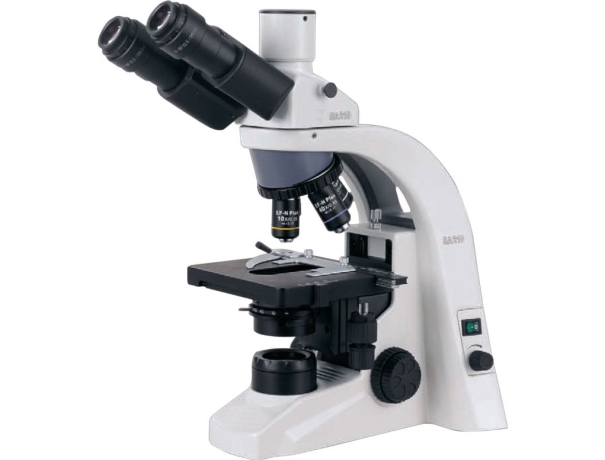
Microscope lenses are specially crafted optical elements that magnify tiny specimens. Without them, even the most sophisticated microscope would be just a fancy paperweight.
Lenses determine how sharp, detailed, and accurate your images are. Whether you’re diagnosing diseases or analyzing soil samples, the right lens can make all the difference.
Main Types of Microscope Lenses
Objective Lenses
These are the powerhouses of any microscope setup.
Low-Power Objectives (4x, 10x)
Perfect for scanning large sample areas like plant tissues or insect parts.
High-Power Objectives (40x, 60x)
Great for fine details like cell structures and bacteria.
Oil Immersion Objectives (100x)
Use immersion oil to boost clarity and resolution beyond what air allows.
Ocular (Eyepiece) Lenses
These are what your eyes actually look through. They typically add 10x magnification to whatever your objective lens is doing.
Condenser Lenses
Located below the stage, they focus light onto the specimen. A well-aligned condenser can dramatically improve image contrast.
Tube Lenses
Used in infinity-corrected systems, these lenses help bring parallel light rays to a focused image on the sensor or eyepiece.
Lens Specifications and Markings
Magnification Power
Often printed right on the barrel—4x, 10x, 40x, 100x. Combine it with the eyepiece for total magnification.
Numerical Aperture (NA)
A key factor in resolution. The higher the NA, the more detail you can see.
Working Distance
This is how far the lens sits from the sample. Oil immersion? Very close. Low power? Much farther.
Field of View
How much of the sample you can see at once. Higher magnification = smaller field of view.
Understanding Lens Quality
Chromatic and Spherical Aberrations
Cheaper lenses might split light or blur the edges. Quality lenses correct these issues.
Plan vs. Achromatic Lenses
- Achromatic: Basic correction for color and focus at the center.
- Plan: Flat-field correction across the entire view.
Coated Optics
Anti-reflective coatings reduce glare and boost image contrast.
Lens Compatibility and Mounting
RMS, DIN, and JIS Threads
Different brands = different screw threads. Always check before buying a replacement.
Digital Compatibility
Some lenses are built for use with digital cameras or imaging sensors. Match the lens to your system for best results.
How to Choose the Right Lens
Based on Sample Type
Cells? Go for high NA and immersion. Rocks? Low power is fine.
Based on Magnification Needs
More isn't always better. Choose based on what details matter most to your work.
Budget and Purpose
Are you teaching students or publishing research? Choose accordingly.
Using Lenses Effectively
Proper Focusing Techniques
Start with low power, center your subject, then move up in magnification.
Avoiding Parallax Errors
Ensure alignment between optical path and sample to prevent visual distortion.
Correct Illumination
Adjust your light source and condenser for best clarity.
Cleaning and Maintenance Tips
Tools Required
Lens paper, lens cleaning solution, air blower.
Step-by-Step Cleaning
- Blow away loose dust.
- Moisten lens paper, not the lens.
- Wipe gently in circular motions.
Mistakes to Avoid
- No tissues or your shirt!
- Don’t over-wet lenses.
- Never unscrew unless trained.