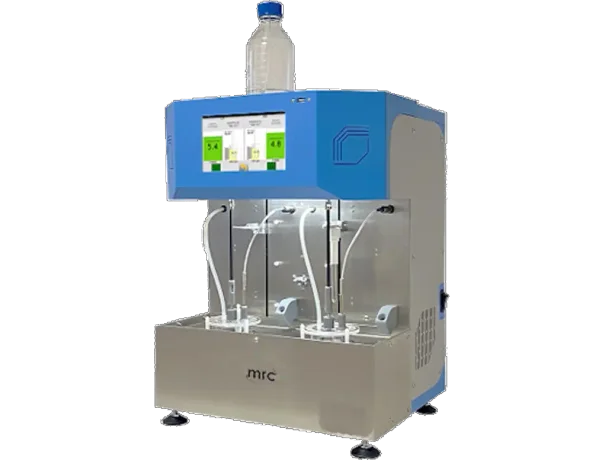
Corrosion is one of the biggest problems in industrial equipment, pipelines, and mechanical systems. Oils, whose purpose is to lubricate and protect, can actually cause or accelerate corrosion processes if they are not properly selected or maintained. Therefore, measuring oil corrosion is an essential tool to ensure reliability, safety, and long product life.
What is Corrosion and How Does it Occur?
Basic Definition
Corrosion is a chemical or electrochemical process in which metal wears away or deteriorates due to reaction with its environment. Most commonly, this refers to the oxidation of metals in contact with water, oxygen, or other contaminants.
The Influence of Water, Oxygen, and Contaminants
- Water – Creates an electrolytic environment that encourages rust formation.
- Oxygen – Reacts with metals and forms oxides.
- Chemical contaminants – Sulfur, chlorides, and acids accelerate the process.
The Effect of Oils on Corrosion Processes
Mineral Oils vs. Synthetic Oils
Mineral oils are more sensitive to the presence of water and contaminants, while synthetic oils generally offer better resistance.
Anti-Corrosion Additives
Many oils contain antioxidant and anti-corrosion additives that reduce harmful effects on metals.
Why is it Important to Measure Oil Corrosion?
- Equipment protection – Preventing failures in expensive machinery.
- Cost savings – Repairing corrosion damage is far more expensive than routine testing.
- Compliance and regulations – Ensuring adherence to strict international standards.
Common Methods for Measuring Corrosion
ASTM D665 – Rust Test in Water
Evaluates the oil’s ability to protect against rust when exposed to fresh or salt water.
ASTM D130 – Copper Strip Test
Examines the reaction of oils and additives with copper, especially important for engine oils.
ASTM / NACE – Pipeline Corrosion Tests
Standards used in the oil and gas industry to measure corrosion rates in metallic pipelines.
Laboratory Tests vs. Field Tests
- Laboratory tests – Provide high accuracy but require expensive equipment.
- Field tests – Deliver faster results but with lower accuracy.
Measuring Corrosion in Engines and Vehicles
Car engines operate at high temperatures and are exposed to extreme pressures. Low-quality oils may lose their protective additives, leading to wear and rust.
Measuring Corrosion in Heavy Industry
- Power plants – Turbine oils must be clean and highly resistant.
- Oil and gas – Exposure to sulfur and aggressive substances requires continuous monitoring.
- Marine and aviation industries – High humidity conditions create a constant risk of corrosion.
Advanced Measurements Using Innovative Equipment
Technologies such as spectrometers, acoustic cameras, and smart sensors enable continuous real-time monitoring of corrosion processes.
How to Reduce Corrosion in Oils?
- Choose high-quality oil with suitable additives.
- Ensure regular maintenance and monitoring.
- Use routine testing to detect early problems.
The Importance of Standards and Regulations
- ASTM – American standards for corrosion testing.
- ISO – International standardization.
- NACE – Organization specializing in corrosion protection.