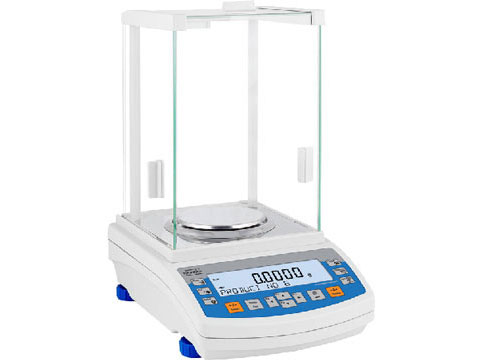
Analytical balances are delicate instruments designed to measure small quantities of substances with precision. They are commonly used in scientific research, pharmaceutical industries, quality control laboratories, and more. Proper maintenance and cleaning of these balances are necessary to maintain their accuracy and functionality over time.
Importance of Maintenance and Cleaning
Regular maintenance and cleaning of Analytical Balances offer several benefits. Firstly, it ensures the accuracy and reliability of measurements. Dust, debris, or contamination can affect the balance's performance and lead to erroneous readings. Secondly, maintenance helps identify any mechanical or electrical issues early on, allowing for timely repairs and minimizing downtime. Lastly, proper care and cleaning extend the lifespan of the balance, maximizing return on investment.
Precautions Before Cleaning
Before initiating the cleaning process, it is crucial to take certain precautions to prevent damage to the analytical balance:
- Power Off: Always turn off the balance and disconnect it from the power source before cleaning.
- Protective Gear: Wear appropriate personal protective equipment, such as gloves and goggles, to safeguard yourself from chemicals or cleaning agents.
- Manufacturer's Guidelines: Refer to the manufacturer's guidelines and user manual for specific instructions on cleaning and maintenance procedures. Adhering to these guidelines ensures you don't void any warranties or cause damage.
Cleaning the External Parts
The external parts including the weighing pan, display panel, and keypad, should be regularly cleaned to maintain hygiene and prevent cross-contamination. Here's a step-by-step guide:
- Use a soft brush or compressed air to remove any loose dust or debris from the weighing pan and surrounding areas.
- Prepare a mild cleaning solution using a non-abrasive, non-reactive detergent and distilled water.
- Moisten a lint-free cloth with the cleaning solution and gently wipe the external parts, ensuring no liquid enters the balance housing or electronic components.
- Dry the surfaces thoroughly with a clean, lint-free cloth or allow them to air dry completely before reconnecting the power.
Cleaning the Weighing Chamber
The weighing chamber is the enclosed area where the sample and weights are placed for measurement. Cleaning the weighing chamber is vital to prevent contamination and maintain accuracy. Follow these steps for effective cleaning:
- Remove any residual materials from the weighing chamber using a soft brush or vacuum cleaner designed for sensitive equipment.
- Prepare a cleaning solution by diluting a mild detergent recommended by the manufacturer in distilled water.
- Dampen a lint-free cloth with the cleaning solution and wipe the inner surfaces of the weighing chamber, including the walls, windows, and draft shield.
- Thoroughly rinse the cloth to remove any detergent residue and repeat the wiping process to ensure all contaminants are removed.
- Allow the weighing chamber to dry completely before using the balance.

Handling and Storage
Proper handling and storage of analytical balances contribute to their longevity and accuracy. Consider the following tips:
- Avoid Overloading: Never exceed the balance's maximum capacity to prevent damage to internal components.
- Handle with Care: Always handle the balance gently to avoid shocks or impacts that could disrupt its calibration.
- Safe Storage: Store the balance in a clean, dry area with controlled temperature and humidity levels. Protect it from excessive heat, direct sunlight, and chemicals that may cause corrosion.
Regular Calibration
Regular calibration is crucial to maintain the accuracy of analytical balances. Calibration ensures that the laboratory balance provides precise measurements within a specific tolerance range. It involves comparing the balance's readings to reference weights. Consult the manufacturer's guidelines or hire a professional calibration service to calibrate the balance at regular intervals.
*The author of the article is external and not related to the company