Laboratory fume hoods are essential pieces of equipment designed to protect individuals working with hazardous materials in a laboratory setting. These hoods help contain and remove potentially harmful fumes, ensuring the safety of researchers and maintaining a controlled environment. Understanding the different types and factors to consider is vital for making an informed decision.
What are Chemical Fume Hoods
Chemical fume hoods are designed to handle and contain chemical vapors, protecting users from inhaling harmful substances. These are essential for laboratories dealing with various chemicals.
Factors to Consider Before Buying
When investing in laboratory fume hoods, several factors should influence your decision:
Laboratory Requirements
Understanding the specific needs of your laboratory is the first step. Consider the types of experiments conducted, the chemicals used, and the potential hazards.
Ventilation Needs
Proper ventilation is critical. Assess the ventilation requirements of your laboratory space to ensure efficient removal of fumes without compromising air quality.
Safety Features
Look for fume hoods equipped with safety features such as alarms, face velocity controls, and emergency shutdown options. These features enhance user safety and prevent accidents.
Compliance with Regulations
Ensure that the fume hoods you're considering comply with relevant safety and environmental regulations. Meeting these standards is essential for a safe and legally compliant laboratory.
Choosing the Right Size
Selecting the appropriate size of a fume hood is crucial for optimal performance:
Matching Fume Hood Size with Laboratory Space
Consider the available space in your laboratory and choose a fume hood size that fits seamlessly without causing overcrowding.
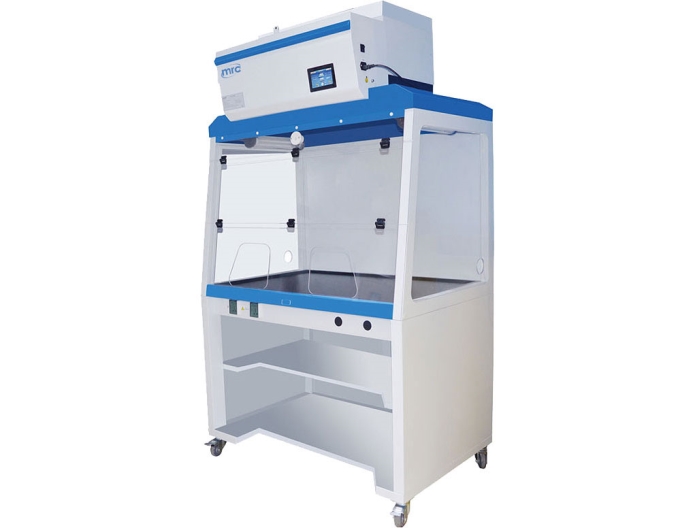
Considering the Volume and Type of Experiments
Evaluate the volume and type of experiments conducted in the laboratory. Larger experiments may require a more substantial fume hood to accommodate the equipment and ensure effective containment.
Understanding Ventilation Systems
Efficient ventilation is a key factor in the proper functioning of laboratory fume hoods:
Importance of Proper Airflow
Adequate airflow is necessary to ensure the effective removal of fumes. Understanding the airflow requirements of different experiments helps in choosing the right fume hood.
Ducted vs. Ductless Fume Hoods
Consider the pros and cons of ducted and ductless fume hoods. Ducted systems provide direct ventilation, while ductless options use filtration systems. Each has its advantages, depending on laboratory needs.
Energy-Efficient Options
Opt for energy-efficient fume hoods to reduce operational costs and environmental impact. Look for models with energy-saving features that don't compromise performance.
Material and Construction
The materials used in fume hood construction impact durability and maintenance:
Corrosion Resistance
Choose fume hoods constructed from materials resistant to corrosion, ensuring a longer lifespan and reduced maintenance costs.
Durability of Materials
Durable materials contribute to the longevity of the fume hood. Investing in quality construction materials pays off in terms of reliability and performance.
Easy Maintenance
Select fume hoods with designs that facilitate easy maintenance. Accessible components and straightforward cleaning procedures contribute to a more efficient laboratory.
Safety Features to Look For
Several safety features enhance the functionality of laboratory fume hoods:
Alarm Systems
Fume hoods equipped with alarm systems provide immediate alerts in case of malfunctions or unsafe conditions, allowing for swift action.
Face Velocity Control
Maintaining the correct face velocity ensures effective containment of fumes. Choose fume hoods with adjustable face velocity controls for better control over airflow.
Emergency Shutdown Options
In the event of an emergency, having the ability to shut down the fume hood quickly is crucial. Look for models with accessible emergency shutdown options.
Installation and Maintenance
Proper installation and regular maintenance are essential for the longevity of laboratory fume hoods:
Professional Installation Requirements
Ensure that fume hoods are installed by experienced professionals to guarantee proper functioning and compliance with safety standards.
Regular Maintenance Routines
Establish regular maintenance routines to keep fume hoods in optimal condition. Regular inspections, cleaning, and servicing prevent unexpected malfunctions.
Laboratory Fume Hoods vs Biological Safety Cabinets
Laboratory Fume Hoods
Laboratory fume hoods are supposed to protect individuals from exposure to harmful fumes and vapors. Here's a closer look at their features and applications:
1. Functionality:
- Fume hoods are primarily designed to capture and remove chemical fumes and vapors generated during laboratory experiments.
- They provide a physical barrier between the experiment and the user, ensuring a safer working environment.
2. Ventilation:
- Laboratory fume hoods rely on effective ventilation systems to remove hazardous substances from the air.
- The ventilation can be ducted or ductless, depending on the laboratory's requirements.
3. Applications:
- Ideal for laboratories working with a variety of chemicals, including volatile and potentially toxic substances.
- Suited for applications where the primary concern is the containment of chemical fumes rather than biological agents.
4. Design:
- Fume hoods have an open front, allowing researchers to access and manipulate experiments while maintaining a barrier against fumes.
Biological Safety Cabinets
Functionality:
- Biological safety cabinets are designed to protect the user, the experiment, and the surrounding environment from exposure to biohazards.
- They use a combination of HEPA or ULPA filters to provide a sterile working environment.
2. Ventilation:
3. Applications:
- Essential for laboratories working with microbiological agents, cell cultures, and other biological materials that may pose a risk to human health.
- Suited for applications where maintaining a sterile environment and preventing cross-contamination are top priorities.
4. Design:
- BSCs have a closed front with a transparent sash, allowing researchers to manipulate materials inside the cabinet without exposure to contaminants.
Choosing the Right Solution
1. Nature of Materials:
- If your laboratory primarily deals with chemical substances, a laboratory fume hood is the more suitable option.
- For laboratories working with biological agents, a Biological Safety Cabinet is the preferred choice.
2. Level of Protection:
- If the main concern is protecting researchers from chemical exposure, a fume hood is the ideal choice.
- If working with biological materials, especially infectious agents, a Biological Safety Cabinet offers a higher level of protection.
3. Airflow Requirements:
- Consider the airflow requirements of your experiments. Fume hoods typically have higher face velocities to effectively capture chemical fumes.
- BSCs maintain a unidirectional airflow to prevent the escape of biological contaminants.
4. Laboratory Setup:
- Evaluate the available space and layout of your laboratory. Fume hoods may be more suitable for open laboratory configurations, while BSCs are commonly used in enclosed spaces.