All the information you need to know about Laboratory Fume Hood.From the different types to how to use them.
What is a Chemical Lab Fume Hood?
Chemical Laboratory fume hoods are used to protect the laboratory environment and the operator while working with chemicals. The fume hood actively protects the operator from inhaling toxic fumes and dramatically reduces the risk of fire and explosion. By installing a suitable filter it can also protect the environment.
A laboratory fume hood captures and expels hazardous airborne substances away from the user, providing a safe working environment. It helps prevent inhalation of toxic chemicals, reducing the risk of fire or chemical reactions in the laboratory.
Types of Fume Hods for Laboratories
The most common types are:
-Fume Hood Acid: Made from strong acid-resistant materials, bases and corrosion-resistant
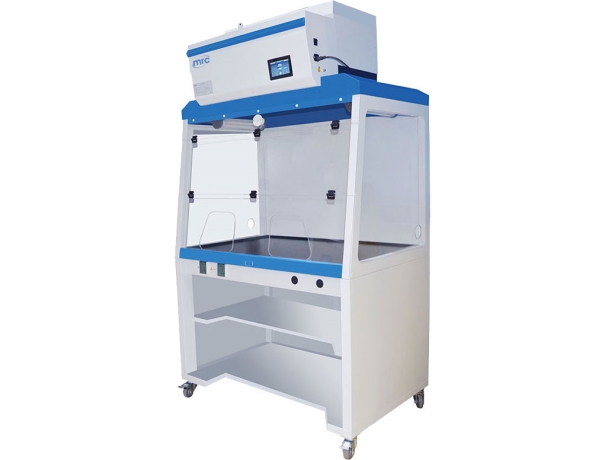
-Ductless fume hoods
- fume Hood without Ductless: These hoods use activated carbon to absorb chemical vapors, and after filtering them the clean air is thrown back into the room
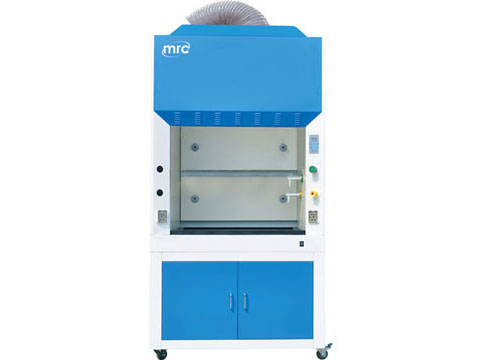
- Chemical fume hood
How To Use A Laboratory Fume Hood
You should be familiar with the standard operating procedures of the equipment and maintain them throughout the process.
- Check Ductless in proper condition
-Keep your body out of the hood to prevent various infections
- Use protective equipment such as glasses, a lab coat and gloves. Such equipment will protect you in case of dangerous leaks.
- Close the hood window when not in use.
- Stop immediately if you suspect a malfunction or when you notice an airflow malfunction.
- Carefully read the manufacturer's instructions before use.
Pre-Use Safety Checks
Before using a fume hood:
Ensure the hood certification is up-to-date.
Verify the airflow indicator is working correctly.
Inspect for any visible damage or obstructions inside the hood.
Proper Setup and Placement
Correct placement of equipment within the hood is essential:
Position apparatus at least six inches away from the front edge to maintain optimal airflow.
Avoid overcrowding; space out equipment to allow airflow.
Place larger equipment on blocks or stands to ensure airflow underneath.
Operating the Fume Hood
Step 1: Ensure the Sash is at the Correct Height
The sash should always be at or below the indicated safe operating height, usually marked clearly on the hood.
Operate with the sash as low as possible to enhance containment.
Step 2: Turn on the Ventilation System
Step 3: Conduct Your Work Safely
Always keep your head outside of the hood.
Wear appropriate personal protective equipment (PPE) such as lab coats, gloves, and goggles.
Move hands and arms carefully in and out to prevent disrupting airflow.
Advantages of Laboratory Fume Hood
• Quiet and efficient work
• Filter toxic substances in the air
• Suitable for any type of work in laboratories. Comes in different and varied sizes.
• Maintains the health of employees
• Easy and quick installation
• Durable, efficient and convenient
• Maintains laboratory equipment and materials themselves
MRC-Laboratory Equipment provides a wide range of Laboratory Fume Hoods.Over 30 years of service and 15,000 customers.