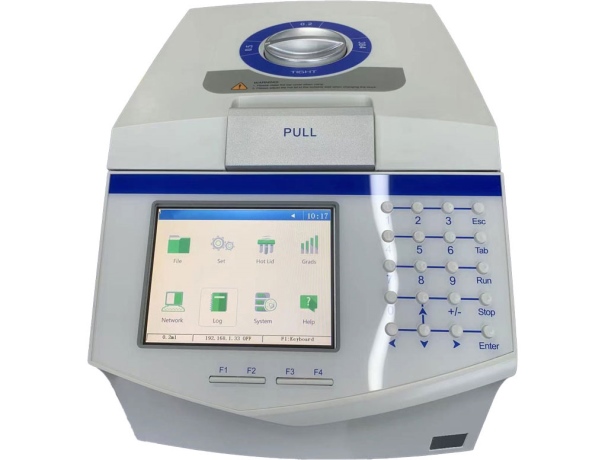
Thermal cycling tests are crucial in determining the reliability and performance of materials, components, and devices subjected to varying temperature conditions. Whether it's electronic components, automotive parts, or aerospace systems, understanding the key parameters when designing thermal cycling tests is essential to ensure the durability and functionality of the tested products. This article explores the fundamental considerations that engineers and researchers should keep in mind when developing thermal cycling tests for specific applications.
Temperature Range:
One of the primary parameters in designing a thermal cycling test is determining the appropriate temperature range for the specific application. Understanding the expected operating conditions or environmental exposure is crucial. The temperature range should encompass both the minimum and maximum temperatures the material or device is likely to encounter during its intended use. This ensures that the test accurately simulates the real-world conditions and provides meaningful data on the material's performance under varying temperatures.
Cycle Duration and Frequency:
The duration of each thermal cycle and the frequency of cycles are critical parameters. The cycle duration represents the time spent at each temperature extreme, while the frequency determines how often the material or device transitions between these extremes. Both parameters must be carefully chosen to mirror the anticipated operational conditions. Shorter and more frequent cycles may be suitable for applications involving rapid temperature changes, such as automotive or aerospace electronics, while longer cycles may be appropriate for applications with slower temperature variations.
Ramp Rates:
Ramp rates refer to the speed at which the temperature changes during the heating and cooling phases of each cycle. Fast ramp rates can induce additional stresses on materials, revealing potential weaknesses or failure points. Conversely, slow ramp rates may not accurately simulate real-world conditions. The selection of appropriate ramp rates depends on the specific application and the material properties being tested.
Number of Cycles:
Determining the number of cycles in a thermal cycling test is crucial for assessing long-term durability. The number of cycles should be sufficient to represent the intended lifespan or operational period of the product accurately. Engineers must balance the need for realistic testing with practical considerations such as time and resources. Accelerated testing may be necessary for quickly assessing a material's performance over an extended period.
Thermal Uniformity:
Ensuring uniform temperature distribution within the testing chamber is vital for obtaining reliable and repeatable results. Variations in temperature across the specimen or device may lead to inaccurate conclusions. Thermal uniformity can be achieved through proper chamber design, placement of sensors, and selection of an appropriate heating and cooling system.
Realistic Environmental Conditions:
Consideration should be given to the environmental conditions beyond temperature alone. Factors such as humidity, vibration, and exposure to specific gases can significantly impact the performance of materials. Simulating these conditions in conjunction with thermal cycling provides a more comprehensive assessment of a product's reliability.