Laboratory water baths are essential equipment used in various scientific and research settings to provide controlled heating or cooling of samples. They are widely used in applications such as sample preparation, incubation, and molecular biology experiments. In this article, we will explore the different types of laboratory water baths, their benefits, applications, how to choose the right one, operating procedures, maintenance, safety considerations, and more.
What is a Laboratory Water Bath?
A laboratory water bath is a piece of Laboratory equipment designed to provide controlled heating or cooling of samples. It consists of a thermostatically controlled container filled with water and an immersion circulator or heating element to maintain the desired temperature. The water bath's temperature range can typically be adjusted to suit the specific needs of the experiment or procedure.
Types of Laboratory Water Baths
There are different types of laboratory water baths available, each designed for specific applications. The three common types are:
1. General Purpose Water Baths
General purpose water baths are the most basic type and are used for general heating applications. They are suitable for tasks that do not require precise temperature control or circulation.
2. Circulating Water Baths
Circulating water baths, also known as recirculating water baths, provide a continuous flow of water to ensure uniform temperature distribution. They are ideal for applications that require precise temperature control and stability, such as cell culture, DNA amplification, or enzyme reactions.

3. Shaking Water Baths
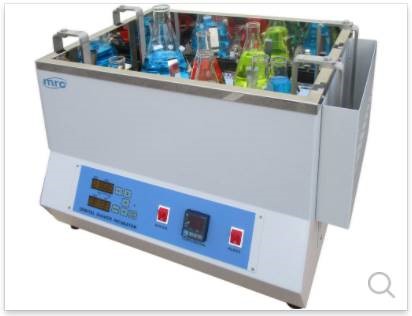
Shaking water baths combine the features of a water bath with a shaker platform. They are used for applications that require agitation or mixing of samples while maintaining a specific temperature. they are commonly used in molecular biology experiments, hybridization, or staining procedures.
Benefits of Using Laboratory Water Baths
Laboratory water baths offer several benefits for scientific research and experimentation:
1. Temperature Control
One of the primary advantages is their precise temperature control. The thermostatic controls allow users to set and maintain the desired temperature, ensuring reproducible and accurate results.
2. Uniform Heating
Water has a high specific heat capacity, which means it can retain heat for extended periods. Laboratory water baths utilize this property to uniformly heat samples or objects placed bath. The water's constant circulation or stirring helps distribute the heat evenly, eliminating any temperature gradients and ensuring consistent results across all samples.
3. Versatility
Laboratory water baths are highly versatile and can be used in a wide range of applications. They are suitable for tasks such as sample thawing, solubility testing, enzyme reactions, incubation of cultures, and many more. Their flexibility makes them an essential tool in various scientific disciplines.
Applications of Laboratory Water Baths
Laboratory water baths find extensive use in numerous scientific applications. Some of the common applications include:
1. Sample Preparation
employed for sample preparation. Whether it's dissolving compounds, heating solutions, or maintaining a specific temperature during the preparation process, water baths provide a controlled environment that ensures consistency and accuracy in experimental procedures.
2. Incubation
In biological research, incubation plays a crucial role in providing optimal growth conditions for cultures or organisms. Laboratory water baths with precise temperature control are widely used for incubation purposes. They create a stable environment for cell cultures, microbial growth, and biochemical reactions.
3. Molecular Biology Experiments
indispensable in molecular biology experiments. Techniques such as DNA amplification, PCR (Polymerase Chain Reaction), DNA hybridization, and gel electrophoresis often require specific and constant temperatures. Water baths enable researchers to maintain the desired temperature throughout the procedure, ensuring accurate and reliable results.
Choosing the Right Laboratory Water Bath
Selecting the appropriate laboratory water bath depends on several factors. Here are some key considerations to keep in mind:
1. Temperature Range
Evaluate the temperature range required for your specific experiments or applications. Ensure that the water bath you choose can achieve and maintain the desired temperature range consistently.
2. Capacity and Size
Consider the volume and size of the samples you will be working with. Choose a water bath with an adequate capacity to accommodate your samples comfortably. Additionally, ensure that the dimensions of the water bath fit your laboratory space.
3. Digital Controls and Programmability
Digital controls and programmability offer enhanced convenience and precision. Look for a water bath with easy-to-use digital controls that allow you to set and monitor the temperature accurately. Programmable options can be beneficial for automating temperature cycles or time-dependent experiments.
Operating a Laboratory Water Bath
Proper operation of a laboratory water bath is crucial for accurate and safe experimentation.
1. Preparing the Water Bath
Before use, ensure that the water bath is clean and free from any contaminants. Fill the bath with distilled water to the desired level, ensuring that it covers the immersion depth required for your samples.
2. Setting the Temperature
Set the desired temperature using the digital controls. Allow the water bath to reach the set temperature before placing the samples inside. It is essential to wait for the water bath to stabilize at the desired temperature for accurate results.
3. Placing Samples in the Water Bath
Carefully place the samples or objects to be heated or cooled into the water bath. Ensure that the samples are fully immersed in the water and not touching the sides or the bottom of the bath. Close the lid or cover to minimize heat loss during the experiment.
Maintenance and Care of Laboratory Water Baths
Proper maintenance and care are crucial to ensure the longevity and optimal performance of laboratory water baths. Here are some essential maintenance practices to follow:
1. Cleaning
Regularly clean the water bath to remove any residue or contaminants. Empty the water, clean the bath with a mild detergent or disinfectant, and rinse thoroughly. Avoid using harsh
chemicals or abrasive materials that may damage the water bath's surfaces.
2. Preventing Contamination
To prevent cross-contamination between experiments, it is essential to clean and disinfect the water bath thoroughly between uses. Use sterile water when working with sensitive samples or cultures to avoid introducing contaminants.
3. Regular Maintenance
Perform routine maintenance tasks to keep the water bath in optimal condition. This may include checking and calibrating temperature controls, inspecting and replacing worn-out components like gaskets or seals, and ensuring proper functioning of the circulation system if applicable.
Safety Considerations
When using, it is crucial to prioritize safety to prevent accidents or damage. Here are some safety considerations to keep in mind:
1. Electrical Safety
Ensure that the water bath is properly grounded and the electrical connections are secure. Avoid using damaged cords or plugs, and keep the power source away from water to prevent electrical hazards.
2. Avoiding Overheating
Do not exceed the recommended temperature limit. High temperatures can pose risks, including sample degradation, evaporation, or even equipment damage. Always monitor the temperature closely to avoid overheating.
3. Handling Chemicals
If working with hazardous chemicals, follow appropriate safety protocols. Use compatible containers and ensure that the chemicals are sealed tightly to prevent leakage into the water bath. Dispose of chemicals properly according to safety guidelines.