Abrasion testing measures the resistance of materials to wear and tear under specific conditions. This test is vital for assessing the longevity and durability of products, ensuring that they meet industry standards and customer expectations.
Industries that Rely on Abrasion Testing
Many industries depend on abrasion testing, including textiles, automotive, construction, and coatings. These tests help manufacturers understand how their materials will perform over time, under stress, and in real-world conditions.
Components of an Abrasion Tester
Abrasive Wheel
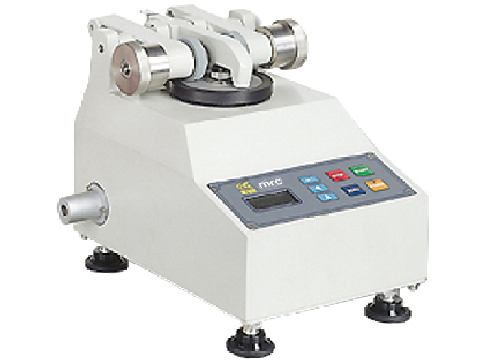
The abrasive wheel is a critical component that comes into direct contact with the sample, simulating wear. The material and grit size of the wheel can vary depending on the test requirements.
Sample Holder
The sample holder secures the material in place during the test, ensuring consistent contact with the abrasive wheel.
Control Panel
The control panel allows you to set test parameters, such as the speed of the wheel, the pressure applied, and the duration of the test.
Measurement Systems
These systems record data during the test, such as the amount of material worn away or the time taken to reach a certain wear level.
Preparing for Abrasion Testing
Selecting the Right Abrasion Tester
Choosing the right tester depends on the material you're testing and the type of wear you want to simulate. It's crucial to match the tester to your specific needs for accurate results.
Preparing the Sample
Before testing, ensure your sample is prepared correctly. It should be cut to the correct size, free from contaminants, and representative of the material you're testing.
Calibrating the Equipment
Calibration is essential for ensuring that your results are accurate. Follow the manufacturer's instructions for calibration, and check that all settings are correct before starting the test.
Step-by-Step Guide to Using an Abrasion Tester-General instructions. Follow the manufacturer's instructions
Step 1: Setting Up the Equipment
Start by placing the abrasion tester on a stable surface and ensuring all components are clean and in working order.
Step 2: Inserting the Sample
Place your prepared sample securely in the sample holder, making sure it is aligned correctly with the abrasive wheel.
Step 3: Choosing the Abrasive Material
Select the appropriate abrasive material for your test. The choice of abrasive will depend on the type of material you're testing and the wear conditions you want to simulate.
Step 4: Adjusting the Settings
Use the control panel to set the test parameters, including the speed of the abrasive wheel, the pressure applied, and the duration of the test.
Step 5: Conducting the Test
Start the test by activating the machine. Monitor the test to ensure everything is functioning correctly, and stop the test if any issues arise.
Step 6: Analyzing the Results
After the test, remove the sample and analyze the wear pattern. Compare the results to industry standards or previous tests to assess material performance.
Safety Precautions During Abrasion Testing
Personal Protective Equipment (PPE)
Always wear appropriate PPE, such as gloves, safety glasses, and lab coats, to protect yourself from potential hazards.
Handling the Equipment Safely
Follow the manufacturer's guidelines for handling the equipment. Never operate the tester without proper training.
Ensuring a Safe Workspace
Keep your workspace clean and free from obstructions. Ensure all safety features of the equipment are in place and functioning.
Interpreting Abrasion Test Results
Understanding Wear Index
The wear index is a standard measure of material durability, calculated based on the amount of material lost during the test.
Analyzing Material Performance
Use the test results to evaluate how well the material will perform in real-world conditions. Look for patterns that indicate weak points in the material.
Common Pitfalls in Interpretation
Be cautious of factors that can skew results, such as improper sample preparation or incorrect calibration. Always verify your findings with multiple tests.
Common Applications of Abrasion Testing
Textile Industry
Abrasion testing in textiles ensures that fabrics can withstand daily wear and tear, maintaining their appearance and functionality.
Automotive Industry
In the automotive sector, abrasion testing is used to evaluate the durability of interior materials, such as seats and carpets.
Coatings and Paints
Abrasion testing helps determine the longevity of coatings and paints, ensuring they can resist scratching and wear over time.
Flooring Materials
Testing flooring materials for abrasion resistance ensures they can withstand heavy foot traffic without deteriorating quickly.
Maintaining Your Abrasion Tester
Regular Cleaning
Clean the equipment after each use to prevent contamination and ensure accurate results in future tests.
Calibration and Maintenance
Regularly calibrate your abrasion tester and perform routine maintenance checks to keep it in optimal condition.
Troubleshooting Common Issues
If you encounter issues, such as inconsistent results or equipment malfunctions, refer to the user manual or contact the manufacturer for support.
Advantages of Using an Abrasion Tester
Accuracy in Wear Analysis
Abrasion testers provide precise measurements, allowing you to assess material durability accurately.
Cost-Effectiveness
Investing in an abrasion tester can save money in the long run by helping you select the most durable materials for your products.
Versatility in Applications
Abrasion testers can be used on a wide range of materials, making them a versatile tool in many industries.
Choosing the Right Abrasion Tester for Your Needs
Factors to Consider
When choosing an abrasion tester, consider factors such as the type of material you'll be testing, the wear conditions you need to simulate, and your budget.
Comparing Different Models
Compare different models based on their features, reliability, and ease of use to find the best fit for your needs.
Cost vs. Functionality
While it's important to stay within your budget, don't sacrifice functionality. A more expensive model may offer features that save time and provide more accurate results.