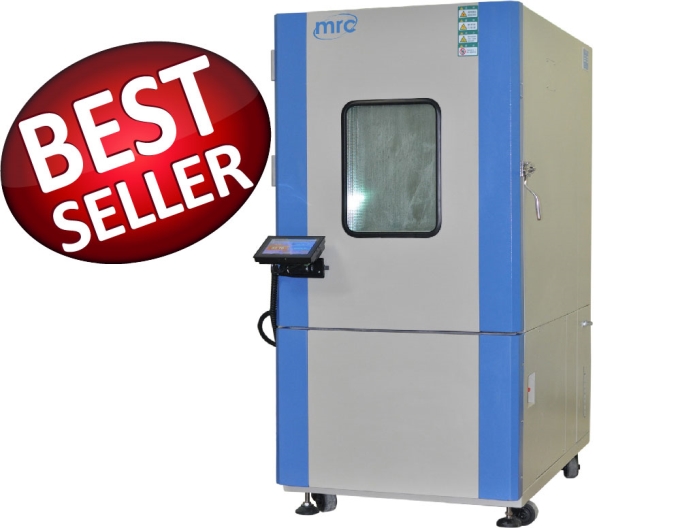
If you’re dealing with products or materials that need to be tested under extreme conditions, chances are you’ll need an environmental chamber. These high-tech boxes can simulate temperature, humidity, altitude, and more. But here’s the thing — choosing the wrong chamber can waste time, money, and deliver poor results. Let’s dive into how to make the right choice for your application.
Understanding Environmental Chambers
What They Do
Environmental chambers recreate specific environmental conditions. Whether it’s simulating a desert, a polar vortex, or high-altitude pressure, these chambers help manufacturers and researchers see how their products hold up.
Key Types of Chambers
- Temperature Chambers: Simulate hot or cold environments.
- Humidity Chambers: Control moisture content in the air.
- Thermal Shock Chambers: Quickly switch between high and low temps.
- Altitude Chambers: Replicate high elevation and low pressure.
Each type serves different industries — from aerospace to pharma — and choosing the wrong one could mean inaccurate or irrelevant test data.
Defining Your Application Requirements
Before you click “add to cart,” you need to know your purpose.
Industry-Specific Needs
Pharmaceuticals may require tight humidity control, while automotive testing may focus on vibration and thermal stress. Match the chamber specs with what your industry demands.
Test Parameters
Do you need extreme low temperatures? High humidity? Pressure control? Write these down. They’ll guide every other decision.
Required Accuracy and Stability
Precision is key. A 2°C variation might ruin your results in some industries. Make sure the chamber meets your tolerance needs.
Size and Capacity Considerations
Benchtop vs. Walk-In
Small-scale testing? A compact benchtop unit will do. Large-scale or batch testing? You’ll need a walk-in chamber.
Internal vs. External Dimensions
Ensure your test samples and your lab space can accommodate the chamber.
Temperature Range and Control
Operating Temperatures
Standard chambers handle from -40°C to +180°C, but you can go wider if needed.
Ramp Rates and Stability
How fast can the chamber change temperature? If your testing demands quick shifts, this is vital.
Humidity Control
Why It Matters
Humidity affects everything from electronics to food. Don’t overlook this if your samples are sensitive.
Control Systems
Choose climate chamber with reliable dehumidifiers and humidifiers — and ask for validation certificates if available.
Uniformity and Airflow Design
Consistency is Everything
Even if your environmental test chamber hits the right temperature, poor airflow can create hot/cold zones. That’s a recipe for inconsistent results.
Chamber Validation
Ask for airflow diagrams, performance testing data, or a live demo if available.
Programmability and User Interface
Modern Touchscreen Controls
Don’t settle for outdated interfaces. A touchscreen with intuitive menus makes testing easier and faster.
Remote Monitoring
Want peace of mind while you’re away from the lab? Get a chamber with remote control and data logging features.
Build Quality and Materials
Built to Last
Look for stainless steel interiors, corrosion-proof finishes, and solid insulation.
Interior Materials
Some materials retain heat better, others resist chemicals — know what your application needs.