Selecting the right laboratory shaker in 2026 involves understanding evolving technology, specific application needs, and emerging trends in scientific research. Here’s a concise guide to making an informed decision:
What is Your Application
Clearly define your shaking needs:
- Biological cultures (bacterial, yeast, mammalian cells)
- Chemical mixing
- Sample preparation (homogenization, extraction)
Choose the Appropriate Shaker Type
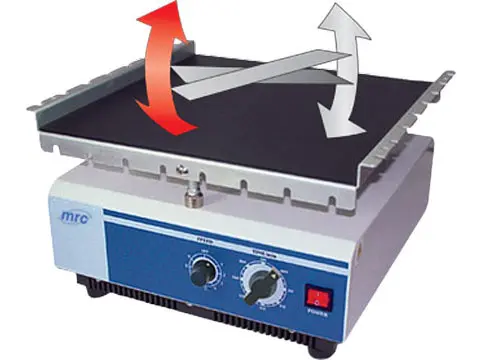
Popular shaker types in 2026:
Consider the Shaker Capacity and Size
Evaluate your typical batch sizes:
- Compact models for small-scale experiments
- Large-capacity units for industrial or large research facilities
Speed and Orbital Diameter
- Typical speed ranges: 20-500 RPM
- Orbital diameter affects agitation intensity: smaller for gentle mixing, larger for robust mixing.
Temperature and Environmental Control
For sensitive samples:
- Opt for incubator shakers with precise temperature control (typically 4°C to 70°C).
- Integrated cooling systems for temperature-sensitive applications.
Programmable Controls and Automation
Advanced models in 2026 feature:
- Digital interfaces and touchscreen controls
- Programmable shaking protocols and memory settings
- IoT and remote monitoring capabilities
Durability and Build Quality
- Stainless steel and corrosion-resistant components
- Maintenance-friendly designs for extended lifespan
Safety and Compliance
Ensure compliance with:
- ISO certification
- Regulatory requirements (FDA, CE)
- Enhanced safety features, including spill containment and automatic shut-off.
Noise and Vibration Reduction
Quiet operation is increasingly important:
- Choose models with noise-reducing technologies.
- Anti-vibration feet and stable platforms
Energy Efficiency
- Select energy-efficient models to reduce laboratory costs and environmental impact.
- Check for energy ratings and certifications.
By carefully evaluating these factors, you’ll select a laboratory shaker that meets your current requirements and is well-prepared for future research challenges.